日本では、大雨や台風のとき、災害が起きることがあります2。国は、危険のレベルを5つに分けています3。レベルが上がると、危険が大きくなります4。
レベル4は「危険警報」です5。このとき、みんなは安全な場所に避難しなければなりません6。お年寄りや小さい子どもがいる家は、もっと早く逃げたほうがいいです7。
レベル5になると、もう避難が難しいです8。だから、レベル4までに行動することが大切です9。家族で避難する場所を決めておきましょう10。
(れべる)
level
(あんぜん)
safety
(ばしょ)
place
(ひなん)
evacuation
(にほん)
Japan
(おおあめ)
heavy rain
(たいふう)
typhoon
(とき)
time, when
(さいがい)
disaster
(おきる)
to happen, occur
(くに)
country; the government
(きけん)
danger; risk
(わける)
to divide; to separate; to sort
(あがる)
to rise / to go up
(おおきい)
big; large
(けいほう)
warning, alarm
(みんな)
Everyone; everybody
(おとしより)
elderly person
(ちいさい)
small
(こども)
child
(いえ)
house
(もっと)
more / further
(はやい)
early / fast
(にげる)
to escape / to run away
(もう)
already; again
(むずかしい)
difficult
(だから)
so, therefore
(こうどう)
action, behavior
(たいせつ)
important
(かぞく)
family
(きめる)
to decide
there are times when ~
Indicates that something sometimes happens.
遅れることがある。
Sometimes I'm late.
間違えることがある。
There are times I make mistakes.
is doing, has been doing (ongoing state/action)
Expresses a continuing action or resulting state. Formed with て-form + いる/います. Can describe an action in progress or a state that continues from a past change.
今、本を読んでいます。
I am reading a book now.
窓が開いています。
The window is open.
日本に住んでいます。
I live in Japan.
if / when (natural consequence)
Conditional と indicating a natural or expected result. 一緒に捨てると…火が出て means 'if you throw them away together, fire starts.'
ボタンを押すと、ドアが開きます。
When you press the button, the door opens.
春になると、桜が咲きます。
When spring comes, cherry blossoms bloom.
must ~; have to ~
Expresses obligation using double negative construction.
宿題をしなければなりません。
I must do my homework.
明日までに返さなければなりません。
I must return it by tomorrow.
had better ~ / should ~
Used in 「仲よくしたほうがいい」to express the survey question about which country Taiwan should have good relations with.
早く寝たほうがいいですよ。
You should go to bed early.
薬を飲んだほうがいい。
You should take medicine.
Do ~ in advance (preparation)
Indicates doing something in advance for future readiness. Companies need to decide procedures in advance.
旅行の前にホテルを予約しておく。
I book a hotel in advance before the trip.
レベル4までに安全な場所へ避難を
Evacuate to a safe place by Level 4
日本では、大雨や台風のとき、災害が起きることがあります。
In Japan, disasters sometimes happen during heavy rain and typhoons.
国は、危険のレベルを5つに分けています。
The country divides the danger levels into five.
レベルが上がると、危険が大きくなります。
As the level rises, the danger becomes greater.
レベル4は「危険警報」です。
Level 4 is the "danger alert."
このとき、みんなは安全な場所に避難しなければなりません。
At this point, everyone must evacuate to a safe place.
お年寄りや小さい子どもがいる家は、もっと早く逃げたほうがいいです。
Households with elderly people or small children should flee even earlier.
レベル5になると、もう避難が難しいです。
Once it reaches Level 5, evacuation is already difficult.
だから、レベル4までに行動することが大切です。
That is why it is important to take action by Level 4.
家族で避難する場所を決めておきましょう。
Let's decide in advance with your family where to evacuate.
2026年06月01日 21:08
著者: jpreader
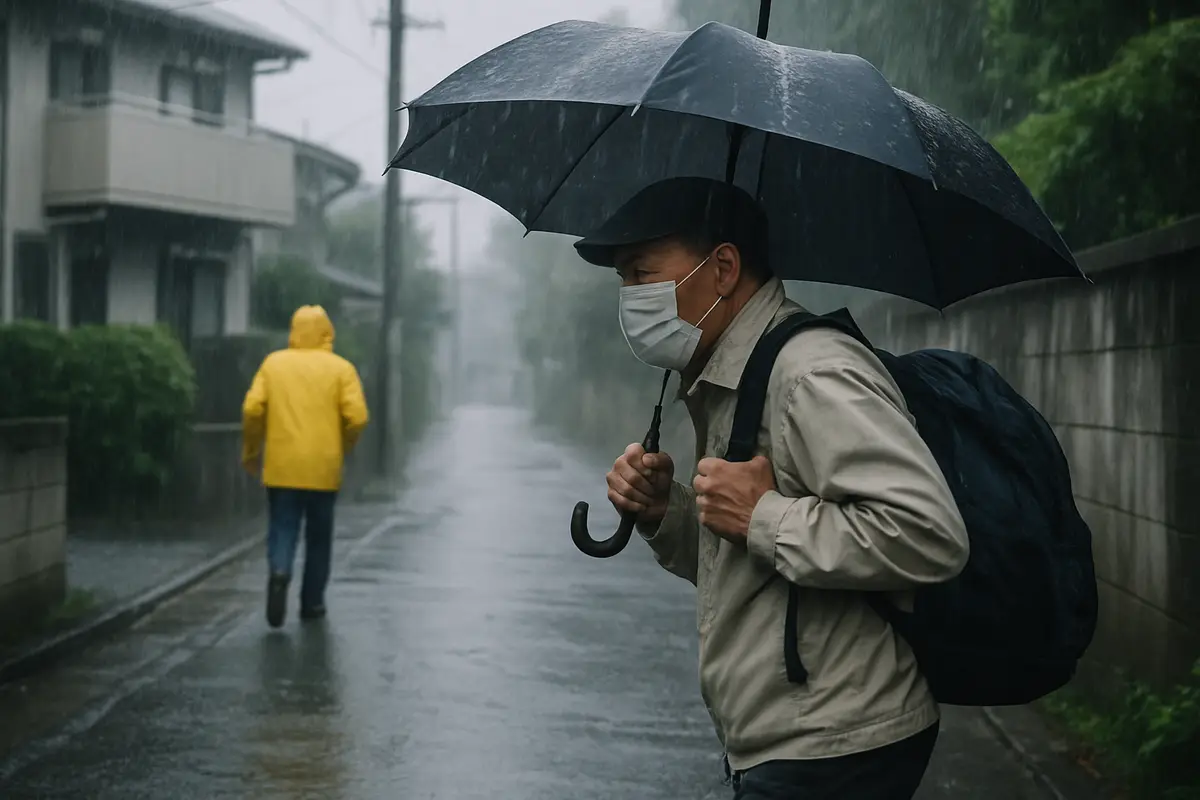
この画像はAIで生成され、学習目的で使用されています。
This image is AI-generated and used for educational purposes.
日本では、大雨や台風のとき、災害が起きることがあります2。国は、危険のレベルを5つに分けています3。レベルが上がると、危険が大きくなります4。
レベル4は「危険警報」です5。このとき、みんなは安全な場所に避難しなければなりません6。お年寄りや小さい子どもがいる家は、もっと早く逃げたほうがいいです7。
レベル5になると、もう避難が難しいです8。だから、レベル4までに行動することが大切です9。家族で避難する場所を決めておきましょう10。
Discussion
to rate or comment.
No comments yet.