日本では、高齢者が運転免許を自分から返す動きが広がっています2。年を取ると、目や体の反応が遅くなり、事故を起こす危険が高くなるためです3。
免許を返した人には、バスや電車の料金が安くなるサービスがあります4。買い物や病院に行くときに便利だからです5。しかし、車がないと生活が不便になる地域も多くあります6。
特に田舎では、電車やバスの数が少ないです7。そのため、運転をやめられない高齢者もいます8。国や町は、新しい交通の方法を考えています9。
(こうれいしゃ)
elderly person
(うんてんめんきょ)
driver's license
(かえす)
to return (something); to give back
(うごき)
movement; trend
(にほん)
Japan
(じぶん)
oneself
(ひろがる)
to spread
(としをとる)
to grow old; to age
(め)
eye
(からだ)
body
(はんのう)
reaction; response
(おそい)
late / slow
(じこ)
accident; incident
(おこす)
To cause; to bring about
(きけん)
danger; risk
(たかい)
expensive; high
(めんきょ)
license
(ひと)
person / people
(ばす)
bus
(でんしゃ)
electric train
(りょうきん)
fee, charge
(やすい)
cheap / inexpensive
(さーびす)
service
(かいもの)
shopping
(びょういん)
hospital
(いく)
to go
(べんり)
convenient
(くるま)
car
(せいかつ)
daily life; livelihood
(ふべん)
inconvenient
(ちいき)
region; area
(おおい)
many
(とくに)
especially / particularly
(いなか)
countryside; rural area
(かず)
number, count
(すくない)
few, scarce
(そのため)
therefore; for that reason
(うんてん)
operation, driving
(やめる)
to stop; to quit
(くに)
country; the government
(まち)
town
(あたらしい)
new
(こうつう)
traffic, transportation
(ほうほう)
method; way
(かんがえる)
to think; to consider
is doing, has been doing (ongoing state/action)
Expresses a continuing action or resulting state. Formed with て-form + いる. Can describe an action in progress or a state resulting from a past change.
今、ご飯を食べています。
I am eating rice now.
東京に住んでいます。
I live in Tokyo.
ドアが開いています。
The door is open.
when / whenever (conditional)
The dictionary form of a verb plus と expresses that one thing regularly or naturally follows another. Here, when the robot comes, the customers watch happily.
ボタンを押すと、ドアが開く。
When you press the button, the door opens.
ロボットを使うと、楽になる。
When you use a robot, it becomes easier.
to become (い-adjective)
Expresses a change of state for い-adjectives. Drop the final い and add くなる. Indicates something has changed or will change to a new state.
寒くなりました。
It has gotten cold.
日本語が上手になりました。
My Japanese has gotten better.
値段が高くなりました。
The price became expensive.
in order to, for the purpose of
Expresses purpose when preceded by a verb dictionary form, or reason when preceded by a noun/な-adjective + な/の. Here it expresses purpose: to protect people from bears.
日本語を勉強するために本を買った。
I bought a book to study Japanese.
健康のために野菜を食べます。
I eat vegetables for my health.
子供を守るため、ルールを作った。
They made rules to protect children.
to become
Expresses a change of state; Kawai became the new commissioner of the Sports Agency.
新しい長官になりました。
He became the new commissioner.
目が見えなくなりました。
He became unable to see.
when ~
Indicates the time or situation when something happens. Used here for the time of making laws or acquiring a residence status.
資格を取るときには、日本語を理解しているかチェックします。
When obtaining a status, we check understanding of Japanese.
子どものときによく遊びました。
When I was a child, I played a lot.
because (reason)
States a reason at the end of a sentence. Here it explains why the discount service exists — because it is convenient.
便利だからです。
It is because it is convenient.
安いからです。
It is because it is cheap.
if ~ not / must ~
Negative conditional implying necessity or negative outcome.
早く行かないと遅れる
If I don't go quickly, I'll be late
potential / can (ru-verb)
The potential form expresses ability or possibility. Here, used in the negative, it describes elderly people who cannot quit driving.
運転をやめられない。
Cannot quit driving.
朝早く起きられない。
Cannot get up early.
高齢者が運転免許を返す動き
The movement of elderly people giving up their driver's licenses
日本では、高齢者が運転免許を自分から返す動きが広がっています。
In Japan, the movement of elderly people voluntarily giving up their driver's licenses is spreading.
年を取ると、目や体の反応が遅くなり、事故を起こす危険が高くなるためです。
This is because, as people get older, their eyes and bodies react more slowly, and the risk of causing an accident increases.
免許を返した人には、バスや電車の料金が安くなるサービスがあります。
There are services that make bus and train fares cheaper for people who have given up their licenses.
買い物や病院に行くときに便利だからです。
This is because it is convenient when going shopping or to the hospital.
しかし、車がないと生活が不便になる地域も多くあります。
However, there are also many areas where life becomes inconvenient without a car.
特に田舎では、電車やバスの数が少ないです。
Especially in the countryside, there are few trains and buses.
そのため、運転をやめられない高齢者もいます。
For that reason, there are also elderly people who cannot stop driving.
国や町は、新しい交通の方法を考えています。
The national and local governments are thinking about new ways of transportation.
2026年06月02日 19:11
著者: jpreader
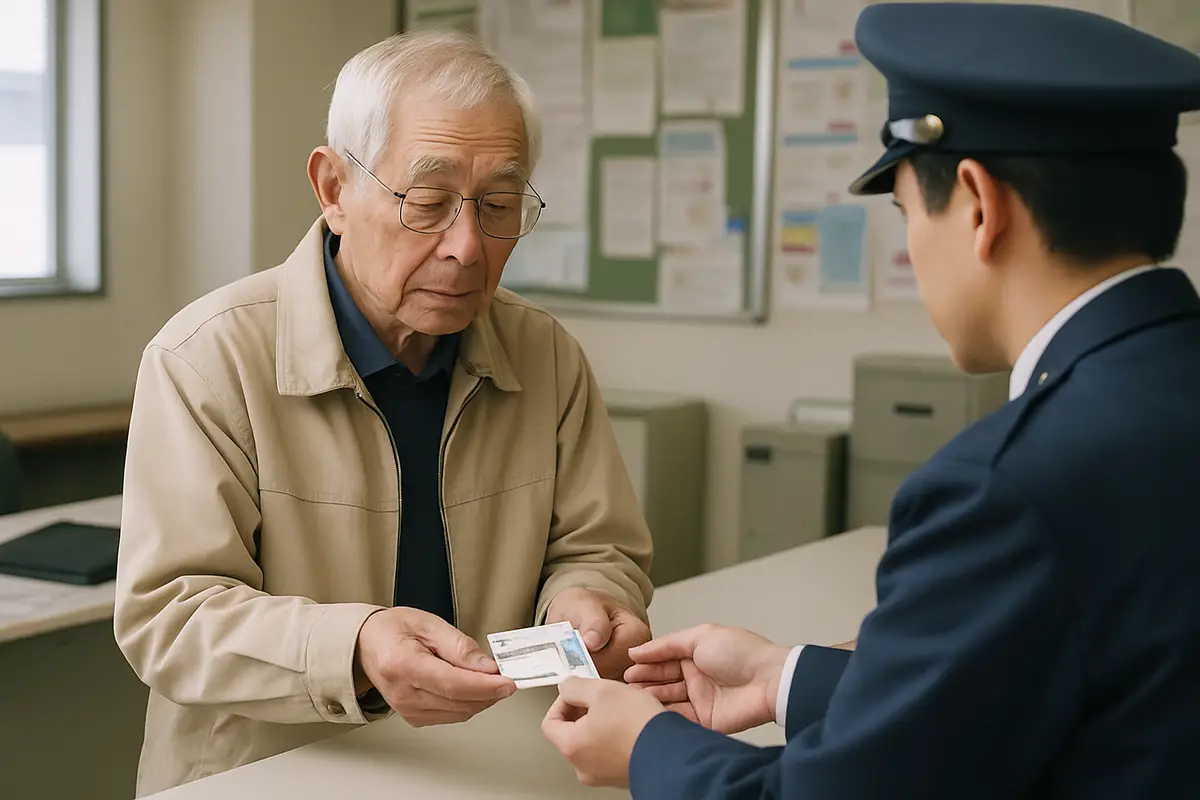
この画像はAIで生成され、学習目的で使用されています。
This image is AI-generated and used for educational purposes.
日本では、高齢者が運転免許を自分から返す動きが広がっています2。年を取ると、目や体の反応が遅くなり、事故を起こす危険が高くなるためです3。
免許を返した人には、バスや電車の料金が安くなるサービスがあります4。買い物や病院に行くときに便利だからです5。しかし、車がないと生活が不便になる地域も多くあります6。
特に田舎では、電車やバスの数が少ないです7。そのため、運転をやめられない高齢者もいます8。国や町は、新しい交通の方法を考えています9。
Discussion
to rate or comment.
No comments yet.