福島市で、また熊が人を襲いました2。けがをした人は4人です3。
ニュースによると、熊は朝、町の近くに出ました4。歩いていた人や、自転車に乗っていた人が襲われました5。みんな病院に運ばれましたが、命に問題はないそうです6。
最近、日本の色々な場所で熊が町に出ています7。食べ物が山に少ないので、熊が町に下りてくると言われています8。
市役所は、「朝と夜は外に出るとき、特に気をつけてください9。熊を見たら、すぐに警察に連絡してください」と話しています10。
(くま)
bear
(ひと)
person / people
(おそう)
to attack; to assault
(ふくしまし)
Fukushima City
(けが)
injury
(ニュース)
news
(あさ)
morning
(まち)
town
(ちかく)
nearby
(でる)
to come out; to occur
(あるく)
to walk
(じてんしゃ)
bicycle
(のる)
to ride, board
(みんな)
Everyone; everybody
(びょういん)
hospital
(はこぶ)
to carry; to transport
(いのち)
life
(もんだい)
problem
(さいきん)
recently
(にほん)
Japan
(いろいろ)
various / in various ways
(ばしょ)
place
(たべもの)
food
(やま)
mountain
(すくない)
few, scarce
(おりる)
to come down, descend
(しやくしょ)
city hall
(よる)
night
(そと)
outside
(とくに)
especially / particularly
(きをつける)
to be careful
(みる)
to see, watch
(すぐに)
immediately
(けいさつ)
police
(れんらく)
contact, communication
(はなす)
to speak, talk
(また)
again
according to ...
Cites a source of information. The noun before によると is the source. Often followed by a reported statement.
天気予報によると、明日は雨です。
According to the weather forecast, it will rain tomorrow.
ニュースによると、地震がありました。
According to the news, there was an earthquake.
先生によると、テストは来週です。
According to the teacher, the test is next week.
is doing, has been doing (ongoing state/action)
Expresses a continuing action or resulting state. Formed with て-form + いる. Can describe an action in progress or a state resulting from a past change.
今、ご飯を食べています。
I am eating rice now.
東京に住んでいます。
I live in Tokyo.
ドアが開いています。
The door is open.
but / however (contrast)
Conjunctive particle used to connect two clauses with contrasting or unexpected information.
行きたいですが、時間がありません。
I want to go, but I don't have time.
I hear that / it is said
Reports hearsay. 大きく育つそうです means '(I hear) they grow big'.
雨が降るそうだ
I hear it will rain
おいしいそうだ
they say it's delicious
it is said that ~
Passive form expressing common knowledge or reputation. It is said that aquaculture of nodoguro is difficult.
難しいと言われています。
It is said to be difficult.
日本語は難しいと言われています。
It is said that Japanese is difficult.
because ~ / since ~
Causal connector. Because JA is buying at higher prices, store prices will also rise.
雨が降ったので、家にいた。
Since it rained, I stayed home.
忙しいので、行けません。
Since I'm busy, I can't go.
if ..., when ...
Conditional form indicating 'if' or 'when' something happens. Formed by adding ら to the た-form of a verb. Expresses a hypothetical or temporal condition.
雨が降ったら、行きません。
If it rains, I won't go.
お金があったら、旅行したいです。
If I had money, I'd like to travel.
終わったら、電話してください。
When you're done, please call me.
please do ...
Polite request form. Formed with て-form + ください. Used to ask someone to perform an action.
ここに名前を書いてください。
Please write your name here.
もう一度言ってください。
Please say it once more.
窓を開けてください。
Please open the window.
また熊が人を襲った
A bear attacked a person again
福島市で、また熊が人を襲いました。
In Fukushima City, a bear attacked people again.
けがをした人は4人です。
Four people were injured.
ニュースによると、熊は朝、町の近くに出ました。
According to the news, the bear appeared near the town in the morning.
歩いていた人や、自転車に乗っていた人が襲われました。
People who were walking and people who were riding bicycles were attacked.
みんな病院に運ばれましたが、命に問題はないそうです。
They were all taken to the hospital, but their lives are reportedly not in danger.
最近、日本の色々な場所で熊が町に出ています。
Recently, bears have been appearing in towns in various places in Japan.
食べ物が山に少ないので、熊が町に下りてくると言われています。
It is said that because there is little food in the mountains, bears come down into the towns.
市役所は、「朝と夜は外に出るとき、特に気をつけてください。
The city office says, "When you go outside in the morning and at night, please be especially careful.
熊を見たら、すぐに警察に連絡してください」と話しています。
If you see a bear, please contact the police right away."
2026年06月03日 19:13
著者: jpreader
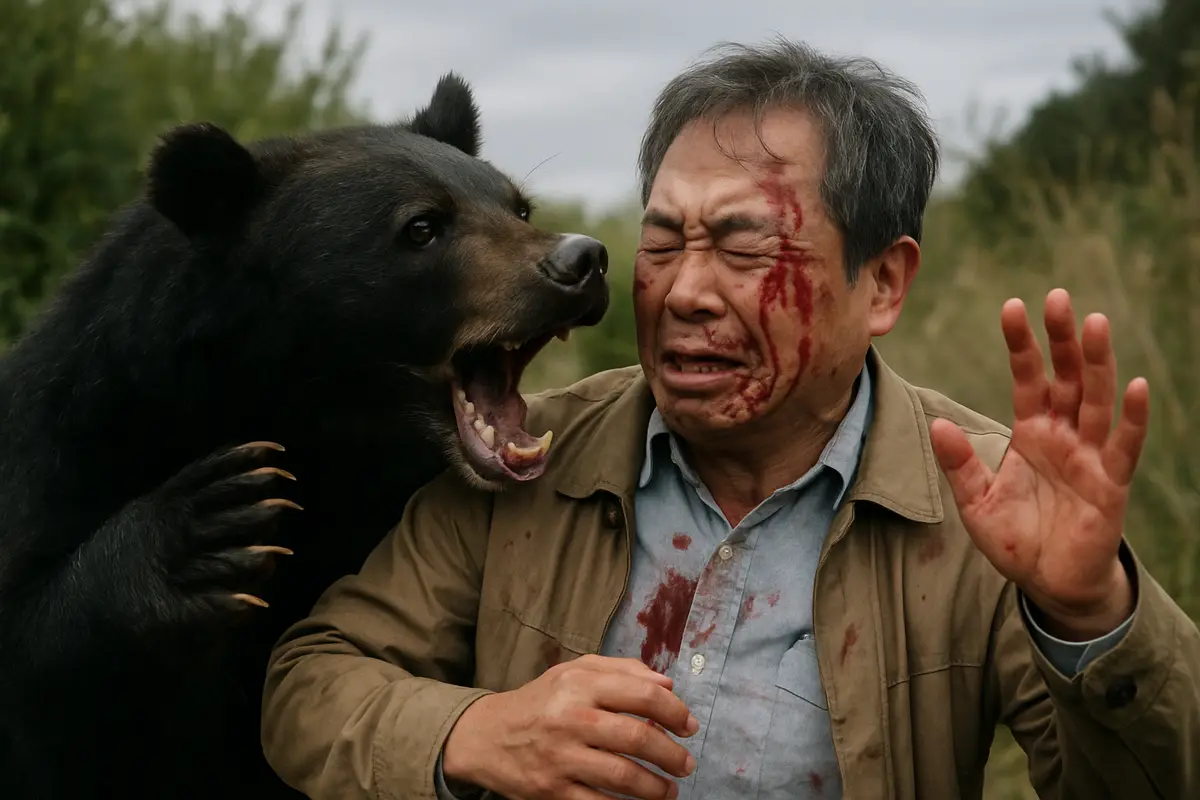
この画像はAIで生成され、学習目的で使用されています。
This image is AI-generated and used for educational purposes.
福島市で、また熊が人を襲いました2。けがをした人は4人です3。
ニュースによると、熊は朝、町の近くに出ました4。歩いていた人や、自転車に乗っていた人が襲われました5。みんな病院に運ばれましたが、命に問題はないそうです6。
最近、日本の色々な場所で熊が町に出ています7。食べ物が山に少ないので、熊が町に下りてくると言われています8。
市役所は、「朝と夜は外に出るとき、特に気をつけてください9。熊を見たら、すぐに警察に連絡してください」と話しています10。
Discussion
to rate or comment.
No comments yet.