日本の政府は、去年生まれた子どもの数を発表しました2。その数は約67万人で、今までで最も少ない数になりました3。
子どもの数は、ここ数年ずっと減り続けています4。専門家は、結婚する人が減っていることや、子育てにお金がかかることが原因だと話しています5。
政府は、若い世代が安心して子どもを育てられるように、いろいろな支援を進めると言っています6。しかし、状況はまだ厳しいままです7。
(きょねん)
last year
(うまれる)
to be born
(こども)
child
(まん)
ten thousand
(にん)
counter for people
(かこ)
the past
(さいしょう)
fewest, minimum
(にほん)
Japan
(せいふ)
government; administration
(かず)
number, count
(はっぴょう)
announcement
(やく)
approximately, about
(いままで)
until now / so far
(すくない)
few, scarce
(なる)
to become
(ここ)
here; this place
(すうねん)
several years
(ずっと)
continuously; all along
(へる)
to decrease / to diminish
(せんもんか)
expert, specialist
(けっこん)
marriage
(ひと)
person / people
(こそだて)
child-rearing, parenting
(おかね)
money
(かかる)
to take (time/money), cost
(げんいん)
cause / reason
(はなす)
to speak, talk
(わかい)
young
(せだい)
generation
(あんしん)
relief / peace of mind
(そだてる)
to raise, to bring up, to grow
(いろいろ)
various
(しえん)
support; aid; assistance
(すすめる)
to advance; to move forward
(いう)
to say
(しかし)
however, but
(じょうきょう)
situation, circumstances
(まだ)
still; yet
(きびしい)
strict, severe
past tense (plain/polite past)
Used throughout this news report to describe past events: the typhoon moved east, rain fell, warnings were issued.
東に進みました。
It advanced to the east.
雨がたくさん降りました。
It rained a lot.
the most ~ (superlative)
States it is the smallest number ever, using 最も to mark the superlative.
今までで最も少ない数になりました。
It became the smallest number ever.
to continue doing ...
Verb stem + 続ける expresses continuing an action. The て-form あげ続ける means 'continue giving'. A common compound verb pattern.
3時間、走り続けました。
I kept running for 3 hours.
毎日、勉強し続けています。
I keep studying every day.
彼は話し続けた。
He kept on talking.
is doing, has been doing (ongoing state/action)
Expresses a continuing action or resulting state. Formed with て-form + いる. Can describe an action in progress or a state resulting from a past change.
今、ご飯を食べています。
I am eating rice now.
東京に住んでいます。
I live in Tokyo.
ドアが開いています。
The door is open.
nominalizer (the fact of ~)
Turns a verb phrase into a noun. Used here to refer to 'the fact of becoming yokozuna' which is being celebrated.
日本語を話すことができます。
I can speak Japanese.
本を読むことが好きです。
I like reading books.
so that ~
Indicates a goal or desired outcome. Here: so that trainees reach the Specified Skilled Worker level.
分かるように説明します。
I'll explain so you understand.
聞こえるように大きい声で話す。
Speak loudly so it can be heard.
can do, be able to (potential form)
Expresses being able to raise children with peace of mind.
子どもを育てられる。
to be able to raise children
as is, remain in state
Indicates a state that remains unchanged.
電気をつけたまま寝た。
I slept with the light on.
わからないままです。
I still don't understand.
去年生まれた子どもは67万人 過去最少
670,000 Children Were Born Last Year — the Fewest Ever
日本の政府は、去年生まれた子どもの数を発表しました。
The Japanese government announced the number of children born last year.
その数は約67万人で、今までで最も少ない数になりました。
That number was about 670,000, the lowest figure ever recorded.
子どもの数は、ここ数年ずっと減り続けています。
The number of children has kept decreasing for the past several years.
専門家は、結婚する人が減っていることや、子育てにお金がかかることが原因だと話しています。
Experts say the causes are the decline in the number of people getting married and the high cost of raising children.
政府は、若い世代が安心して子どもを育てられるように、いろいろな支援を進めると言っています。
The government says it will move forward with various forms of support so that the younger generation can raise children with peace of mind.
しかし、状況はまだ厳しいままです。
However, the situation still remains difficult.
2026年06月04日 19:17
著者: jpreader
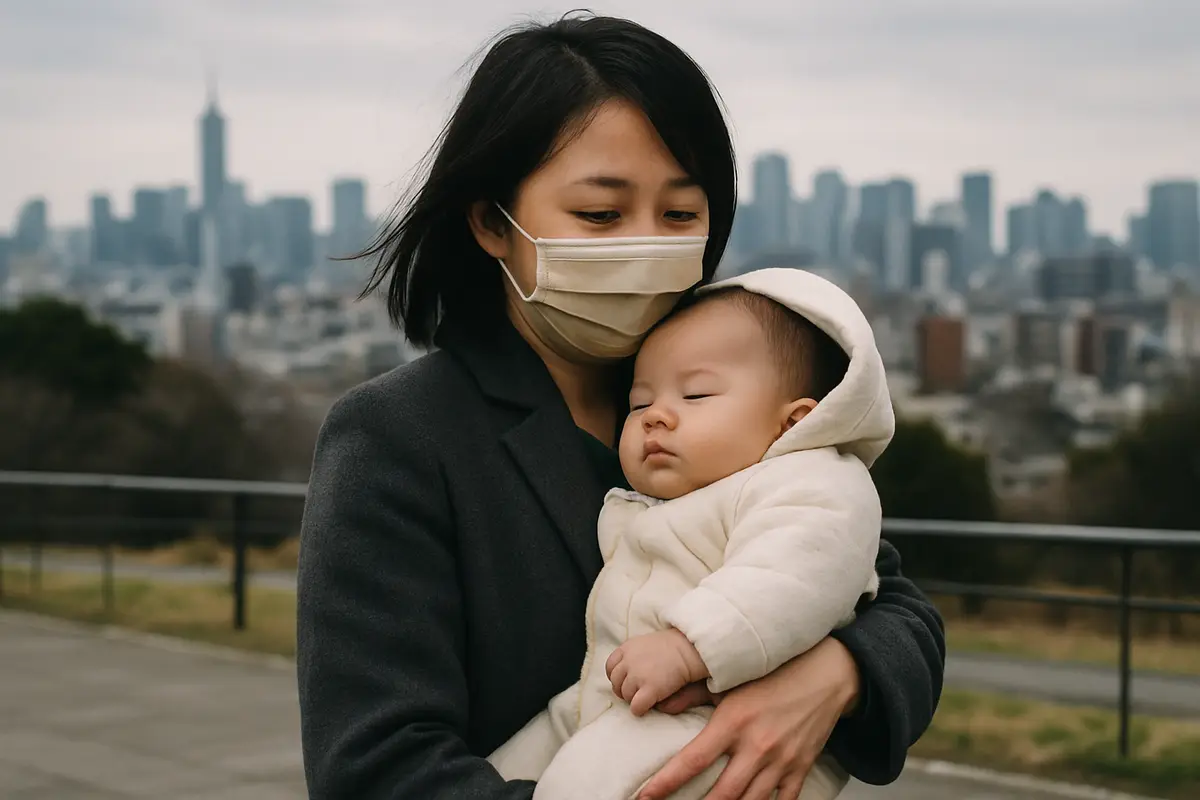
この画像はAIで生成され、学習目的で使用されています。
This image is AI-generated and used for educational purposes.
日本の政府は、去年生まれた子どもの数を発表しました2。その数は約67万人で、今までで最も少ない数になりました3。
子どもの数は、ここ数年ずっと減り続けています4。専門家は、結婚する人が減っていることや、子育てにお金がかかることが原因だと話しています5。
政府は、若い世代が安心して子どもを育てられるように、いろいろな支援を進めると言っています6。しかし、状況はまだ厳しいままです7。
Discussion
to rate or comment.
No comments yet.