日本の各地で、海の上に風車を建てる「洋上風力発電」が増えています2。海の上は風が強く、安定しているため、効率よく電気を作ることができます3。
政府は、二酸化炭素を減らすために、再生可能エネルギーを広げようとしています4。風力発電は、火力発電と違って、燃料を燃やしません5。だから、地球温暖化を防ぐ効果が期待されています6。
一方で、建設には大きな費用がかかります7。また、漁業への影響を心配する声もあります8。専門家は、自然や地域の人々と協力しながら進めることが大切だと話しています9。
(うみ)
sea, ocean
(うえ)
top, above
(ひろがる)
to spread
(ふうりょくはつでん)
wind power generation
(かくち)
various places, everywhere
(ふうしゃ)
windmill, wind turbine
(たてる)
to build
(ようじょうふうりょくはつでん)
offshore wind power generation
(ふえる)
to increase; to grow
(かぜ)
wind
(つよい)
strong
(あんてい)
stability, stable
(こうりつ)
efficiency
(でんき)
electricity
(つくる)
to make
(せいふ)
government; administration
(にさんかたんそ)
carbon dioxide
(へらす)
to reduce; to decrease
(さいせいかのうエネルギー)
renewable energy
(ひろげる)
to expand; to spread; to broaden
(かりょくはつでん)
thermal power generation
(ちがう)
to differ; to be different
(ねんりょう)
fuel
(もやす)
to burn
(ちきゅうおんだんか)
global warming
(ふせぐ)
to prevent / to protect against
(こうか)
effect
(きたい)
expectation
(けんせつ)
construction
(おおきな)
big (attrib.)
(ひよう)
expense, cost
(かかる)
to take (time/money), cost
(ぎょぎょう)
fishing industry
(えいきょう)
Influence; impact; effect
(しんぱい)
worry / concern
(こえ)
voice
(せんもんか)
expert, specialist
(しぜん)
Nature
(ちいき)
region; area
(ひとびと)
people
(きょうりょく)
cooperation
(すすめる)
to advance; to move forward
(たいせつ)
important
(はなす)
to speak, talk
is doing, has been doing (ongoing state/action)
Expresses a continuing action or resulting state. Formed with て-form + いる. Can describe an action in progress or a state resulting from a past change.
今、ご飯を食べています。
I am eating rice now.
東京に住んでいます。
I live in Tokyo.
ドアが開いています。
The door is open.
because of ~ / for the sake of ~
ため after a noun or plain form indicates reason or purpose. Used twice: once for 'because of bear worries' and once for 'for the children's safety'.
熊の心配があるため
because there is worry about bears
子どもたちの安全のために
for the sake of the children's safety
can do ..., to be able to ...
Verb dictionary form + ことができる expresses ability or possibility. More formal than the potential verb form. Common in written Japanese and announcements.
日本語を話すことができます。
I can speak Japanese.
ここで写真を撮ることができます。
You can take photos here.
インターネットで予約することができます。
You can make a reservation on the internet.
try to ~; be about to ~
Expresses an attempt/intention. Used to say China 'was about to / trying to' tighten rare earth exports.
出かけようとしたとき、電話が鳴った。
Just as I was about to go out, the phone rang.
問題を解決しようとしている。
They are trying to solve the problem.
unlike / different from
Marks a contrast, meaning 'unlike' or 'different from'. 火力発電と違って means 'unlike thermal power generation'.
火力発電と違って、燃料を燃やしません。
Unlike thermal power, it does not burn fuel.
去年と違って、今年は雪が多いです。
Unlike last year, there is a lot of snow this year.
so, therefore
Connects a cause to its result, meaning 'so' or 'therefore'. Begins a sentence drawing a conclusion from the previous one.
だから、たくさんの衛星を運ぶことができます。
So it can carry many satellites.
雨です。だから、出かけません。
It's raining. So I won't go out.
passive voice: was/were ~ed
Passive form indicating that the subject receives the action. '食べられて' means 'were eaten'. Central grammar of this article about tulips being eaten by deer.
ケーキが弟に食べられた。
The cake was eaten by my little brother.
on the other hand
Introduces a contrasting point of view, meaning 'on the other hand'. It pivots from the benefits to the drawbacks.
一方で、建設には大きな費用がかかります。
On the other hand, construction costs a great deal.
便利だ。一方で、危険もある。
It's convenient. On the other hand, there are dangers too.
while doing ...
Verb stem + ながら indicates doing two things simultaneously. The action before ながら is the secondary action; the main action follows.
音楽を聞きながら勉強します。
I study while listening to music.
歩きながら話しましょう。
Let's talk while walking.
テレビを見ながらごはんを食べます。
I eat while watching TV.
it is important that ~
Used to express importance of an action. Here cooperation between Japan and China is described as important.
毎日運動することが大切です。
It's important to exercise daily.
相手を理解することが大切だ。
It's important to understand the other person.
海の上で広がる風力発電
Wind power spreading out over the sea
日本の各地で、海の上に風車を建てる「洋上風力発電」が増えています。
In many parts of Japan, "offshore wind power," in which turbines are built over the sea, is increasing.
海の上は風が強く、安定しているため、効率よく電気を作ることができます。
Because the wind over the sea is strong and steady, electricity can be generated efficiently.
政府は、二酸化炭素を減らすために、再生可能エネルギーを広げようとしています。
The government is trying to expand renewable energy in order to reduce carbon dioxide.
風力発電は、火力発電と違って、燃料を燃やしません。
Unlike thermal power generation, wind power does not burn fuel.
だから、地球温暖化を防ぐ効果が期待されています。
For that reason, it is expected to help prevent global warming.
一方で、建設には大きな費用がかかります。
On the other hand, construction costs a great deal of money.
また、漁業への影響を心配する声もあります。
There are also voices worried about the impact on the fishing industry.
専門家は、自然や地域の人々と協力しながら進めることが大切だと話しています。
Experts say it is important to move forward while cooperating with nature and local people.
2026年06月07日 19:11
著者: jpreader
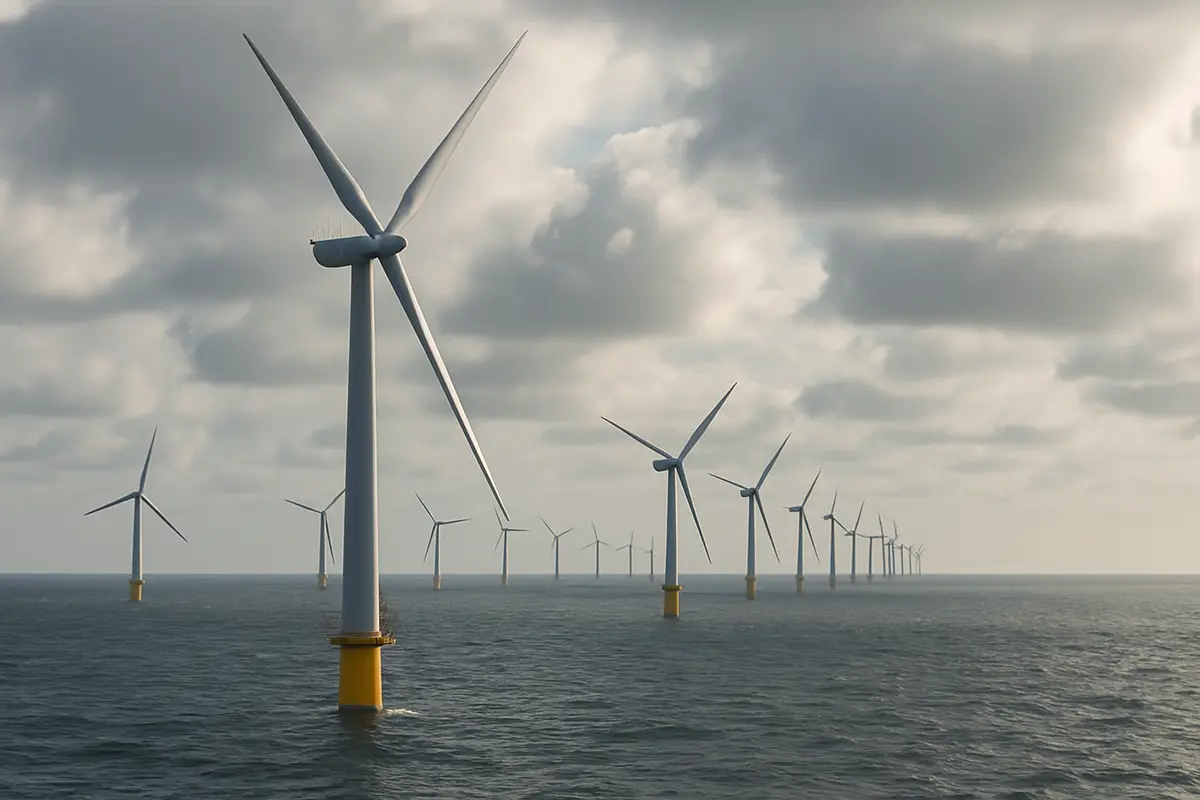
この画像はAIで生成され、学習目的で使用されています。
This image is AI-generated and used for educational purposes.
日本の各地で、海の上に風車を建てる「洋上風力発電」が増えています2。海の上は風が強く、安定しているため、効率よく電気を作ることができます3。
政府は、二酸化炭素を減らすために、再生可能エネルギーを広げようとしています4。風力発電は、火力発電と違って、燃料を燃やしません5。だから、地球温暖化を防ぐ効果が期待されています6。
一方で、建設には大きな費用がかかります7。また、漁業への影響を心配する声もあります8。専門家は、自然や地域の人々と協力しながら進めることが大切だと話しています9。
Discussion
to rate or comment.
No comments yet.