東京の上野動物園にいるパンダが、来月、中国に帰ります2。このパンダは日本で生まれました3。今、四歳です4。
パンダはとても人気があります5。毎日、たくさんの人が動物園に来ます6。みんなパンダの写真をとります7。
動物園の人は「パンダに会えるのは今月までです8。ぜひ来てください」と言いました9。最後の日、多くの人が来ると思います10。
(ちゅうごく)
China
(かえる)
to return home
(とうきょう)
Tokyo
(うえの)
Ueno (place name)
(どうぶつえん)
zoo
(ぱんだ)
panda
(らいげつ)
next month
(にほん)
Japan
(うまれる)
to be born
(いま)
now
(よんさい)
four years old
(とても)
very; extremely
(にんき)
popularity
(まいにち)
every day
(たくさん)
a lot / many
(ひと)
person / people
(みんな)
Everyone; everybody
(しゃしん)
photograph
(とる)
to take (in)
(あう)
to meet
(こんげつ)
this month
(ぜひ)
by all means
(いう)
to say
(さいご)
last, final
(ひ)
day
(おおい)
many
(くる)
to come
to be (located) in/at (animate)
Used to state where an animate subject exists; here the panda is at Ueno Zoo (上野動物園にいるパンダ).
公園に犬がいる。
There is a dog in the park.
教室に先生がいます。
The teacher is in the classroom.
did ... (polite past)
Polite past tense of verbs. Formed with verb stem + ました. Used in formal or polite speech to describe completed actions.
昨日、映画を見ました。
I watched a movie yesterday.
朝ごはんを食べました。
I ate breakfast.
友達が来ました。
A friend came.
there is / have (an event)
Used to state the existence of events or inanimate things. In the article, it describes the existence of a deciding match and the closing ceremony.
明日、会議があります。
There is a meeting tomorrow.
部屋に机があります。
There is a desk in the room.
come to do ~
Expresses purpose of coming. Please come to see (them).
食事に来ます。
I come to eat.
遊びに来ました。
I came to play.
can do ..., to be able to ...
Verb dictionary form + ことができる expresses ability or possibility. More formal than the potential verb form. Common in written Japanese and announcements.
日本語を話すことができます。
I can speak Japanese.
ここで写真を撮ることができます。
You can take photos here.
インターネットで予約することができます。
You can make a reservation on the internet.
please do ...
Polite request form. Formed with て-form + ください. Used to ask someone to perform an action.
ここに名前を書いてください。
Please write your name here.
もう一度言ってください。
Please say it once more.
窓を開けてください。
Please open the window.
to think that
In '増えていくと思います' – 'I think (they) will continue to increase'. Used to express opinion.
雨が降ると思います。
I think it will rain.
彼は学生だと思う。
I think he is a student.
パンダが中国に帰る
A panda returns to China
東京の上野動物園にいるパンダが、来月、中国に帰ります。
A panda at Ueno Zoo in Tokyo will return to China next month.
このパンダは日本で生まれました。
This panda was born in Japan.
今、四歳です。
It is now four years old.
パンダはとても人気があります。
The panda is very popular.
毎日、たくさんの人が動物園に来ます。
Every day, many people come to the zoo.
みんなパンダの写真をとります。
Everyone takes photos of the panda.
動物園の人は「パンダに会えるのは今月までです。
A zoo staff member said, "You can only see the panda until the end of this month.
ぜひ来てください」と言いました。
Please be sure to come."
最後の日、多くの人が来ると思います。
On the last day, many people are expected to come.
2026年06月08日 19:09
著者: jpreader
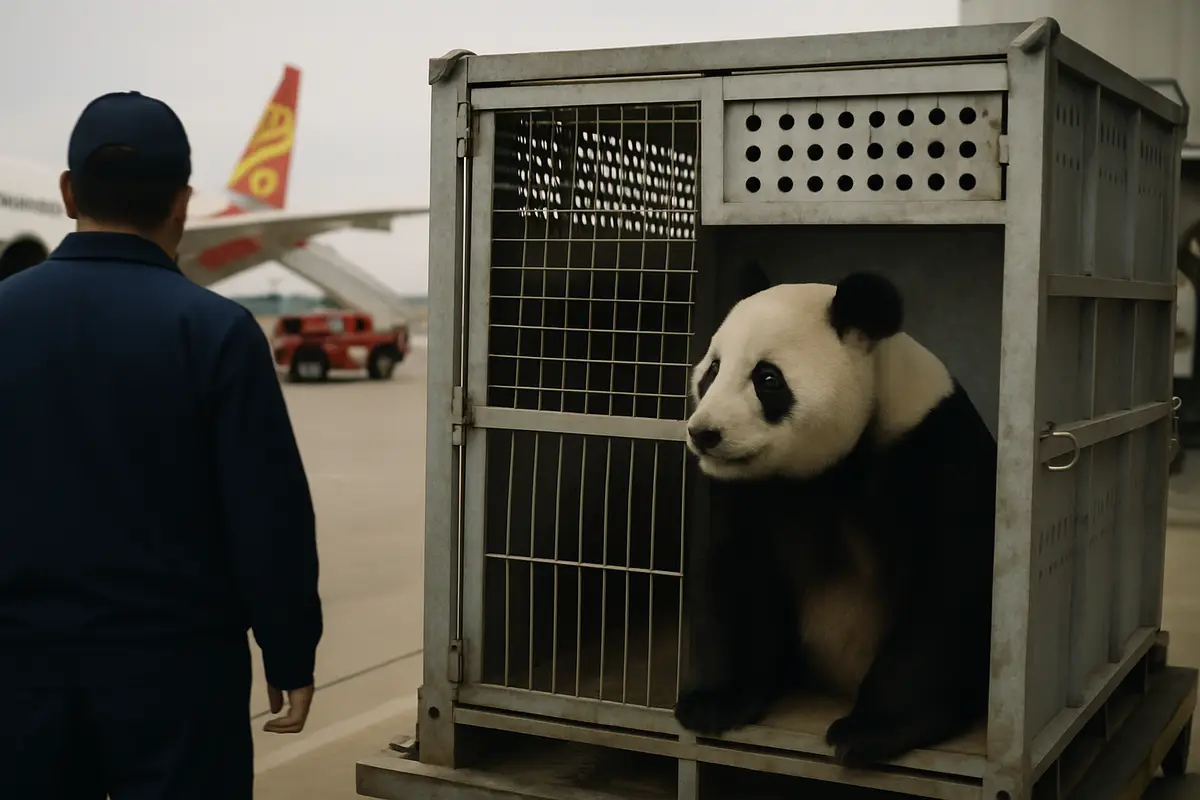
この画像はAIで生成され、学習目的で使用されています。
This image is AI-generated and used for educational purposes.
東京の上野動物園にいるパンダが、来月、中国に帰ります2。このパンダは日本で生まれました3。今、四歳です4。
パンダはとても人気があります5。毎日、たくさんの人が動物園に来ます6。みんなパンダの写真をとります7。
動物園の人は「パンダに会えるのは今月までです8。ぜひ来てください」と言いました9。最後の日、多くの人が来ると思います10。
Discussion
to rate or comment.
No comments yet.