最近、日本の学校でAIを使う授業が増えています2。生徒はコンピューターに質問して、答えをもらいます3。先生は「AIを使うと、勉強がもっと便利になります」と話しました4。
ある中学校では、英語の授業でAIを使っています5。生徒が話した英語をAIが聞いて、間違いを教えます6。生徒たちは「発音が上手になった」と言っています7。
しかし、心配する人もいます8。「自分で考える力が弱くなるかもしれません」と言う先生もいます9。学校はAIの使い方をよく考える必要があります10。
(がっこう)
school
(えーあいー)
AI (artificial intelligence)
(じゅぎょう)
lesson; class
(ふえる)
to increase; to grow
(さいきん)
recently
(にほん)
Japan
(せいと)
student (middle/high school)
(こんぴゅーたー)
computer
(しつもん)
question
(こたえ)
answer, response
(もらう)
to receive
(せんせい)
teacher
(べんきょう)
study
(もっと)
more / further
(べんり)
convenient
(はなす)
to speak, talk
(ちゅうがっこう)
middle school / junior high school
(えいご)
English (language)
(きく)
to listen, hear
(まちがい)
mistake, error
(おしえる)
to teach
(はつおん)
pronunciation
(じょうず)
skillful, well
(しかし)
however, but
(しんぱい)
worry / concern
(ひと)
person / people
(じぶん)
oneself
(かんがえる)
to think; to consider
(ちから)
strength; power
(よわい)
Weak
(つかいかた)
how to use; usage
(よく)
often, well, frequently
is doing, has been doing (ongoing state/action)
Expresses a continuing action or resulting state. Formed with て-form + いる. Can describe an action in progress or a state resulting from a past change.
今、ご飯を食べています。
I am eating rice now.
東京に住んでいます。
I live in Tokyo.
ドアが開いています。
The door is open.
to use (something)
Marks the object being used; the article repeatedly discusses using AI in classes (AIを使う授業).
AIを使う授業が増える。
Classes that use AI are increasing.
はしを使って食べる。
I eat using chopsticks.
and then / and (te-form conjunction)
Te-form links sequential or related clauses. Here it chains taking photos/videos and posting them to SNS.
朝起きて、ご飯を食べます。
I wake up in the morning and eat breakfast.
本を読んで、寝ました。
I read a book and went to sleep.
when/if ~ (natural consequence)
Used to connect the investigation with the result: 調べると, ~ことがわかりました ('when [they] investigated, it became clear that ~').
春になると、花が咲きます。
When spring comes, flowers bloom.
ボタンを押すと、ドアが開きます。
If you push the button, the door opens.
to become
Expresses a change of state; Kawai became the new commissioner of the Sports Agency.
新しい長官になりました。
He became the new commissioner.
目が見えなくなりました。
He became unable to see.
to say that (quotation)
The quotative と marks reported speech; teachers and students state their views (と話しました / と言っています).
先生は「便利になります」と話しました。
The teacher said, 'It becomes convenient.'
生徒たちは「上手になった」と言っています。
The students are saying, 'We got better.'
might, maybe, possibly
Expresses possibility or uncertainty. Attached directly to the plain form of verbs, adjectives, or nouns. Less certain than でしょう.
明日は雨かもしれません。
It might rain tomorrow.
彼は来ないかもしれない。
He might not come.
この問題は難しいかもしれません。
This problem might be difficult.
there are also (people who...)
Indicates that some people also do/feel something; there are also people who worry (心配する人もいます) and teachers who say so (言う先生もいます).
心配する人もいます。
There are also people who worry.
そう言う先生もいます。
There are also teachers who say so.
need to / necessary to
Expresses necessity. Here it states that congressional discussion is required by law for military attacks.
議会で話し合う必要がある。
It is necessary to discuss it in Congress.
勉強する必要があります。
You need to study.
学校でAIを使う授業が増える
Classes that use AI are increasing in schools
最近、日本の学校でAIを使う授業が増えています。
Recently, classes that use AI are increasing in schools in Japan.
生徒はコンピューターに質問して、答えをもらいます。
Students ask questions to the computer and receive answers.
先生は「AIを使うと、勉強がもっと便利になります」と話しました。
A teacher said that when you use AI, studying becomes more convenient.
ある中学校では、英語の授業でAIを使っています。
At one junior high school, AI is used in English class.
生徒が話した英語をAIが聞いて、間違いを教えます。
The AI listens to the English the students speak and points out mistakes.
生徒たちは「発音が上手になった」と言っています。
The students say that their pronunciation has gotten better.
しかし、心配する人もいます。
However, there are also people who are worried.
「自分で考える力が弱くなるかもしれません」と言う先生もいます。
There are also teachers who say that the ability to think for oneself may weaken.
学校はAIの使い方をよく考える必要があります。
Schools need to think carefully about how to use AI.
2026年06月08日 19:10
著者: jpreader
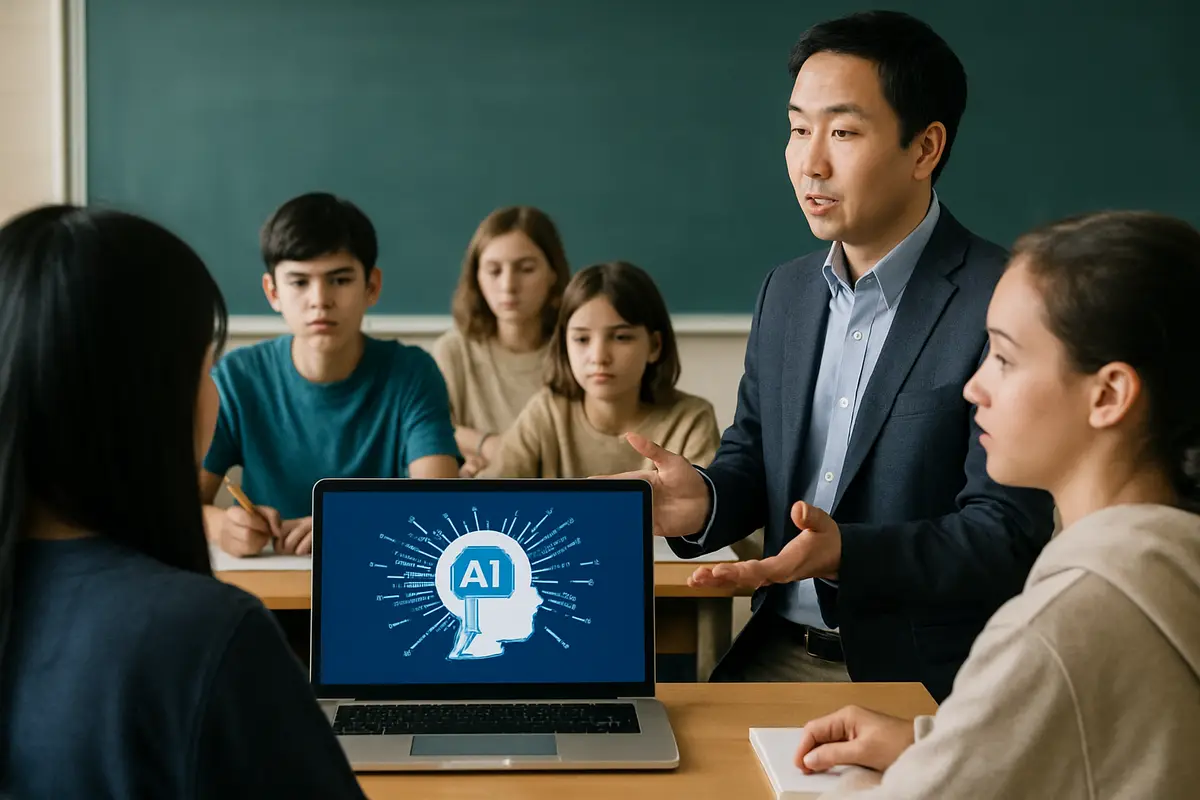
この画像はAIで生成され、学習目的で使用されています。
This image is AI-generated and used for educational purposes.
最近、日本の学校でAIを使う授業が増えています2。生徒はコンピューターに質問して、答えをもらいます3。先生は「AIを使うと、勉強がもっと便利になります」と話しました4。
ある中学校では、英語の授業でAIを使っています5。生徒が話した英語をAIが聞いて、間違いを教えます6。生徒たちは「発音が上手になった」と言っています7。
しかし、心配する人もいます8。「自分で考える力が弱くなるかもしれません」と言う先生もいます9。学校はAIの使い方をよく考える必要があります10。
Discussion
to rate or comment.
No comments yet.