今、日本では誰も住んでいない空き家が増えています2。全国でその数は九百万軒を超え、社会の大きな問題になっています3。人口が減ったり、持ち主が高齢になったりすることが主な原因です4。
空き家をそのままにしておくと、建物が壊れて危険です5。火事やごみの問題も起きやすくなります6。近所の人にとっては心配の種になります7。
政府や市町村は対策を進めています8。古い空き家を壊すために費用を出したり、安く貸し出す仕組みを作ったりしています9。専門家は「早く使い道を決めることが大切だ」と話しています10。
(あきや)
empty house, vacant house
(ふえる)
to increase; to grow
(しゃかい)
society
(もんだい)
problem
(にほん)
Japan
(だれも)
everyone / anyone
(すむ)
to live; to reside
(ぜんこく)
nationwide; the whole country
(かず)
number, count
(きゅうひゃくまん)
nine million
(けん)
counter for houses
(おおきな)
big (attrib.)
(じんこう)
population
(へる)
to decrease / to diminish
(もちぬし)
owner
(こうれい)
advanced age
(おもな)
main; principal
(げんいん)
cause / reason
(そのまま)
as it is, unchanged
(たてもの)
building
(こわれる)
To break; to be destroyed
(きけん)
danger; risk
(かじ)
fire (accident)
(ごみ)
trash, garbage
(おきる)
to happen, occur
(きんじょ)
neighborhood
(ひと)
person / people
(しんぱい)
worry / concern
(たね)
seed, source, cause
(せいふ)
government; administration
(しちょうそん)
municipalities; cities, towns and villages
(たいさく)
countermeasure
(すすめる)
to advance; to move forward
(ふるい)
old (things)
(こわす)
to break, destroy
(ひよう)
expense, cost
(だす)
to serve, put out
(やすい)
cheap / inexpensive
(かしだす)
to lend out, to rent out
(しくみ)
structure, system, mechanism
(つくる)
to make
(せんもんか)
expert, specialist
(はやい)
early / fast
(つかいみち)
use, purpose, application
(きめる)
to decide
(たいせつ)
important
(はなす)
to speak, talk
is doing, has been doing (ongoing state/action)
Expresses a continuing action or resulting state. Formed with て-form + いる. Can describe an action in progress or a state resulting from a past change.
今、ご飯を食べています。
I am eating rice now.
東京に住んでいます。
I live in Tokyo.
ドアが開いています。
The door is open.
to exceed, surpass
Indicates surpassing a quantity; the number exceeds nine million houses (九百万軒を超え).
数は九百万軒を超える。
The number exceeds nine million houses.
費用は一万円を超えた。
The cost exceeded ten thousand yen.
to become
Expresses a change of state; Kawai became the new commissioner of the Sports Agency.
新しい長官になりました。
He became the new commissioner.
目が見えなくなりました。
He became unable to see.
doing things like ~ and ~
Lists representative actions among several. Implies there are other actions too. Used twice in this article.
週末は本を読んだり映画を見たりします。
On weekends I do things like read books and watch movies.
歌ったり踊ったりして楽しんだ。
We had fun singing and dancing.
Do ~ in advance (preparation)
Indicates doing something in advance for future readiness. Companies need to decide procedures in advance.
旅行の前にホテルを予約しておく。
I book a hotel in advance before the trip.
when/if ~ (natural consequence)
Used to connect the investigation with the result: 調べると, ~ことがわかりました ('when [they] investigated, it became clear that ~').
春になると、花が咲きます。
When spring comes, flowers bloom.
ボタンを押すと、ドアが開きます。
If you push the button, the door opens.
easy to ~ / tends to ~
Used in 'うつりやすくて' meaning 'easily contagious / easy to catch'.
この本は読みやすい。
This book is easy to read.
忘れやすい。
Easy to forget.
for / from the standpoint of
Marks the perspective of someone affected; for the neighbors, it becomes a source of worry (近所の人にとっては).
近所の人にとっては心配の種になります。
For the neighbors, it becomes a source of worry.
私にとっては大切な物です。
For me, it is a precious thing.
in order to ~
Expresses purpose.
健康のために歩く。
I walk for my health.
止めるために話し合う。
Discuss in order to stop it.
to say that ~
Quoting what someone said: 「...」と話して謝りました (said ... and apologized).
団体は「大変だったと思います」と話して謝りました。
The organization said 'I think it was difficult' and apologized.
空き家が増えて社会の問題になる
Empty houses are increasing and becoming a social problem
今、日本では誰も住んでいない空き家が増えています。
Right now in Japan, empty houses where no one lives are increasing.
全国でその数は九百万軒を超え、社会の大きな問題になっています。
Nationwide their number has exceeded nine million, and it has become a major social problem.
人口が減ったり、持ち主が高齢になったりすることが主な原因です。
The main causes are the declining population and owners growing old.
空き家をそのままにしておくと、建物が壊れて危険です。
If an empty house is left as it is, the building falls apart and becomes dangerous.
火事やごみの問題も起きやすくなります。
Problems such as fires and garbage also become more likely to occur.
近所の人にとっては心配の種になります。
For the people in the neighborhood, it becomes a source of worry.
政府や市町村は対策を進めています。
The national government and municipalities are moving forward with countermeasures.
古い空き家を壊すために費用を出したり、安く貸し出す仕組みを作ったりしています。
They are providing funds to demolish old empty houses and creating systems to rent them out cheaply.
専門家は「早く使い道を決めることが大切だ」と話しています。
Experts say that it is important to decide quickly how the houses will be used.
2026年06月08日 19:11
著者: jpreader
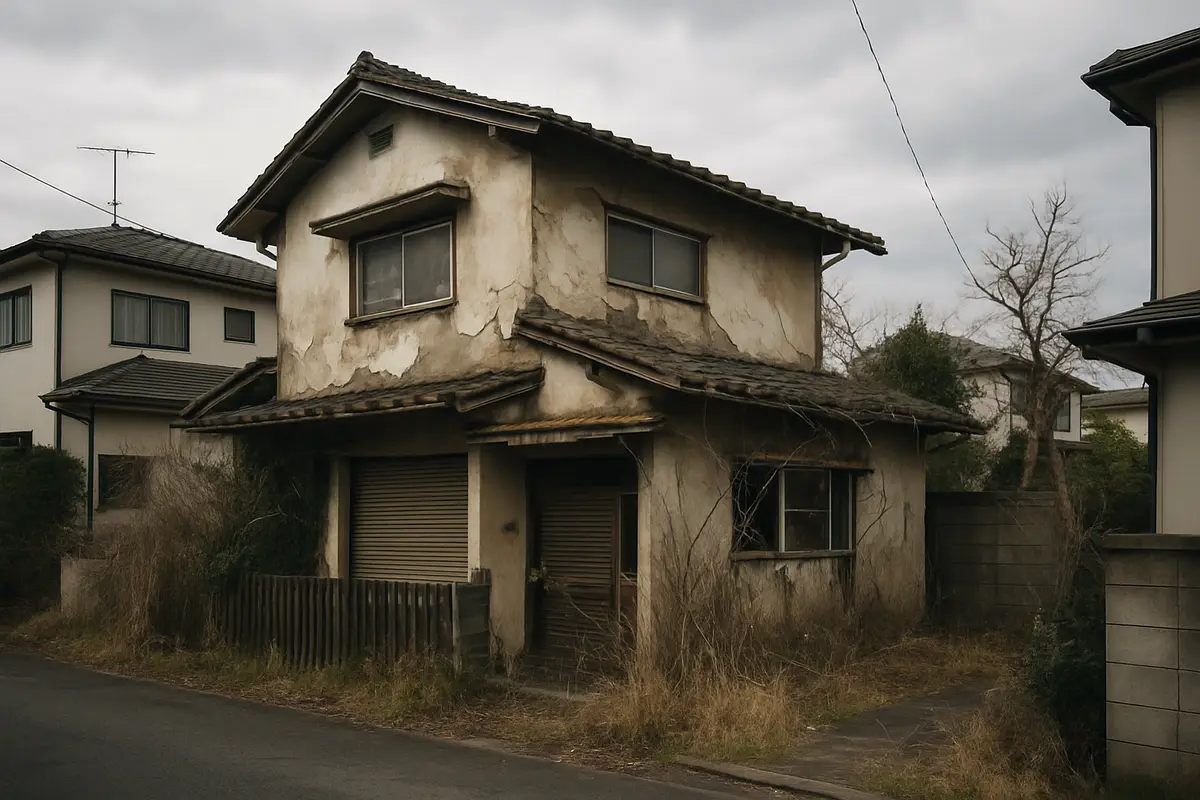
この画像はAIで生成され、学習目的で使用されています。
This image is AI-generated and used for educational purposes.
今、日本では誰も住んでいない空き家が増えています2。全国でその数は九百万軒を超え、社会の大きな問題になっています3。人口が減ったり、持ち主が高齢になったりすることが主な原因です4。
空き家をそのままにしておくと、建物が壊れて危険です5。火事やごみの問題も起きやすくなります6。近所の人にとっては心配の種になります7。
政府や市町村は対策を進めています8。古い空き家を壊すために費用を出したり、安く貸し出す仕組みを作ったりしています9。専門家は「早く使い道を決めることが大切だ」と話しています10。
Discussion
to rate or comment.
No comments yet.