今年、熊に襲われる被害が増えています2。これまでに、けがをした人や亡くなった人は27人になりました3。
専門家によると、今年は山に食べ物が少ないそうです4。そのため、熊が町の近くまで下りてきています5。学校や畑の周りでも熊が見つかっています6。
各地の役所は、住民に注意を呼びかけています7。朝や夜は特に危険なので、一人で外を歩かないようにしてください8。鈴を持って歩くことも勧められています9。
(くま)
bear
(おそう)
to attack; to assault
(ことし)
this year
(ひがい)
damage; harm
(ふえる)
to increase; to grow
(けが)
injury
(なくなる)
to pass away; to die (polite)
(せんもんか)
expert, specialist
(やま)
mountain
(たべもの)
food
(すくない)
few, scarce
(まち)
town
(ちかく)
nearby
(おりる)
to come down, descend
(がっこう)
school
(はたけ)
Farm field; cultivated field
(まわり)
Surroundings; people around; vicinity
(みつかる)
to be found
(かくち)
various places, everywhere
(やくしょ)
government office
(じゅうみん)
resident
(ちゅうい)
caution, warning
(よびかける)
to call out; to appeal
(あさ)
morning
(よる)
night
(とくに)
especially / particularly
(きけん)
danger; risk
(ひとり)
one person / alone
(そと)
outside
(あるく)
to walk
(すず)
bell
(もつ)
to have; to hold
(すすめる)
to recommend, to advise
passive voice: was/were ~ed
Passive form indicating that the subject receives the action. '食べられて' means 'were eaten'. Central grammar of this article about tulips being eaten by deer.
ケーキが弟に食べられた。
The cake was eaten by my little brother.
is doing, has been doing (ongoing state/action)
Expresses a continuing action or resulting state. Formed with て-form + いる. Can describe an action in progress or a state resulting from a past change.
今、ご飯を食べています。
I am eating rice now.
東京に住んでいます。
I live in Tokyo.
ドアが開いています。
The door is open.
according to ...
Cites a source of information. The noun before によると is the source. Often followed by a reported statement.
天気予報によると、明日は雨です。
According to the weather forecast, it will rain tomorrow.
ニュースによると、地震がありました。
According to the news, there was an earthquake.
先生によると、テストは来週です。
According to the teacher, the test is next week.
I hear that / it is said
Reports hearsay. 大きく育つそうです means '(I hear) they grow big'.
雨が降るそうだ
I hear it will rain
おいしいそうだ
they say it's delicious
to make sure that, to ensure that
Expresses the goal of bringing about a certain state or preventing something. Formed with verb plain form + ようにする. Often used to describe efforts to ensure or prevent something.
毎日野菜を食べるようにしています。
I make sure to eat vegetables every day.
遅刻しないようにしてください。
Please make sure not to be late.
忘れないようにメモを書きました。
I wrote a note so I wouldn't forget.
熊に襲われた人 今年は27人に
People Attacked by Bears: 27 This Year
今年、熊に襲われる被害が増えています。
This year, the number of people harmed by bear attacks is increasing.
これまでに、けがをした人や亡くなった人は27人になりました。
So far, the number of people injured or killed has reached 27.
専門家によると、今年は山に食べ物が少ないそうです。
According to experts, there is little food in the mountains this year.
そのため、熊が町の近くまで下りてきています。
Because of this, bears are coming down close to towns.
学校や畑の周りでも熊が見つかっています。
Bears have also been found around schools and fields.
各地の役所は、住民に注意を呼びかけています。
Government offices in various areas are urging residents to be careful.
朝や夜は特に危険なので、一人で外を歩かないようにしてください。
Mornings and nights are especially dangerous, so please avoid walking outside alone.
鈴を持って歩くことも勧められています。
Carrying a bell while walking is also recommended.
2026年06月12日 19:14
著者: jpreader
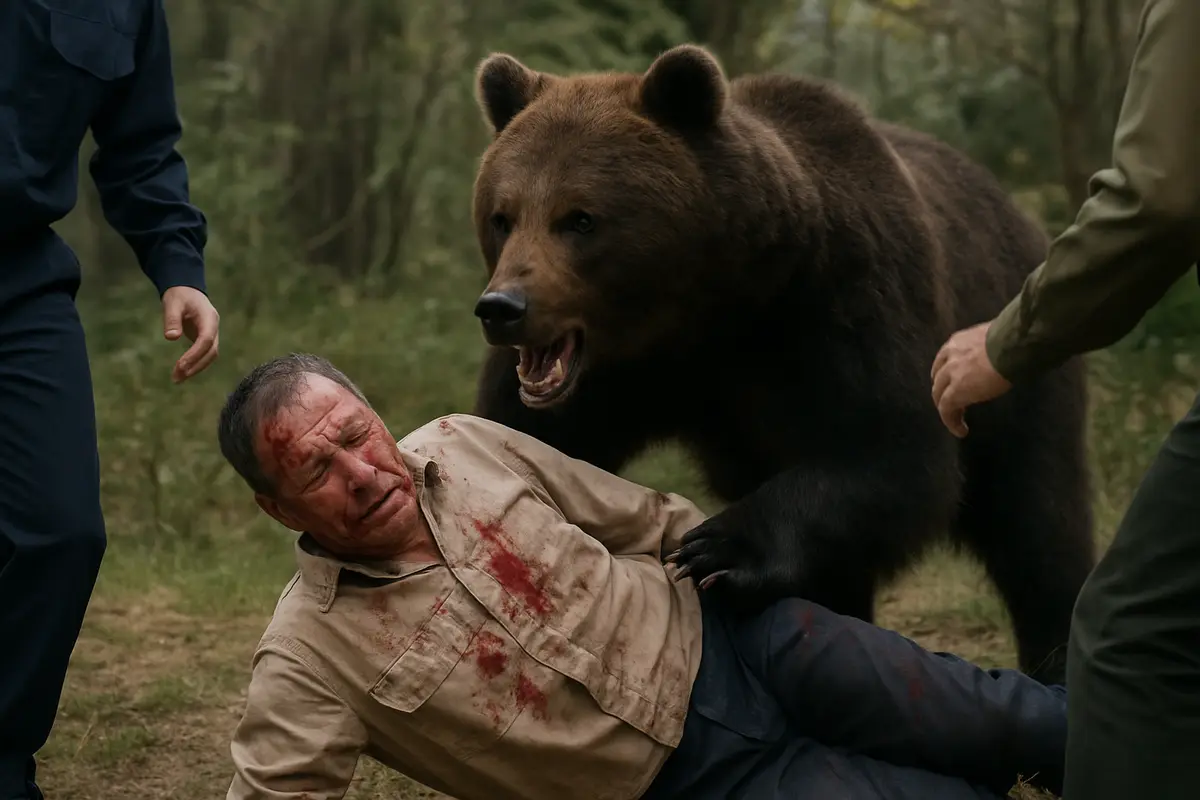
この画像はAIで生成され、学習目的で使用されています。
This image is AI-generated and used for educational purposes.
今年、熊に襲われる被害が増えています2。これまでに、けがをした人や亡くなった人は27人になりました3。
専門家によると、今年は山に食べ物が少ないそうです4。そのため、熊が町の近くまで下りてきています5。学校や畑の周りでも熊が見つかっています6。
各地の役所は、住民に注意を呼びかけています7。朝や夜は特に危険なので、一人で外を歩かないようにしてください8。鈴を持って歩くことも勧められています9。
Discussion
to rate or comment.
No comments yet.