日本で、お米の値段が高くなっています2。去年より高い店が多いです3。スーパーでお米を買う人は、みんなおどろいています4。
どうして値段が高くなったのでしょうか5。今年は、暑い天気が続きました6。暑さはお米によくないと言われています7。それで、お米が前より少なくなりました8。お米が少ないので、値段が高くなりました9。
政府は、お米をもっと店に出すと言いました10。これで、値段が少し安くなるかもしれません11。多くの人が、安いお米を待っています12。これからもお米の値段に気をつけたいです13。
(おこめ)
rice (uncooked)
(ねだん)
price
(たかい)
expensive; high
(にほん)
Japan
(きょねん)
last year
(みせ)
shop, store
(おおい)
many
(すーぱー)
supermarket
(かう)
to buy
(ひと)
person / people
(みんな)
Everyone; everybody
(おどろく)
to be surprised
(どうして)
why
(ことし)
this year
(あつい)
hot
(てんき)
weather
(つづく)
to continue
(あつさ)
heat
(よい)
good
(それで)
and so, therefore
(まえ)
before, previous
(すくない)
few, scarce
(せいふ)
government; administration
(もっと)
more / further
(だす)
to serve, put out
(いう)
to say
(すこし)
a little
(やすい)
cheap / inexpensive
(まつ)
to wait
(これから)
from now on
(きをつける)
to be careful
to become (い-adjective)
Expresses a change of state for い-adjectives. Drop the final い and add くなる. Indicates something has changed or will change to a new state.
寒くなりました。
It has gotten cold.
日本語が上手になりました。
My Japanese has gotten better.
値段が高くなりました。
The price became expensive.
is doing, has been doing (ongoing state/action)
Expresses a continuing action or resulting state. Formed with て-form + いる. Can describe an action in progress or a state resulting from a past change.
今、ご飯を食べています。
I am eating rice now.
東京に住んでいます。
I live in Tokyo.
ドアが開いています。
The door is open.
than / more than
Indicates comparison. Used to say prices rose on average 2.8% compared to last year.
去年より寒い。
Colder than last year.
彼より背が高い。
Taller than him.
I wonder why / (rhetorical) why is it that
ので (reason) + でしょうか poses a softened rhetorical question to the reader: 'why is it that the price became high?'
どうして高くなったのでしょうか。
I wonder why it became expensive.
なぜ来なかったのでしょうか。
Why didn't they come, I wonder?
it is said that ~
Passive form expressing common knowledge or reputation. It is said that aquaculture of nodoguro is difficult.
難しいと言われています。
It is said to be difficult.
日本語は難しいと言われています。
It is said that Japanese is difficult.
because ~ / since ~
Causal connector. Because JA is buying at higher prices, store prices will also rise.
雨が降ったので、家にいた。
Since it rained, I stayed home.
忙しいので、行けません。
Since I'm busy, I can't go.
might, maybe, possibly
Expresses possibility or uncertainty. Attached directly to the plain form of verbs, adjectives, or nouns. Less certain than でしょう.
明日は雨かもしれません。
It might rain tomorrow.
彼は来ないかもしれない。
He might not come.
この問題は難しいかもしれません。
This problem might be difficult.
want to ~
Verb stem + たい to express desire.
日本に行きたい。
I want to go to Japan.
水を飲みたいです。
I want to drink water.
お米の値段が高くなった
The price of rice has gone up
日本で、お米の値段が高くなっています。
In Japan, the price of rice is going up.
去年より高い店が多いです。
There are many shops where it is higher than last year.
スーパーでお米を買う人は、みんなおどろいています。
People who buy rice at the supermarket are all surprised.
どうして値段が高くなったのでしょうか。
Why has the price gone up?
今年は、暑い天気が続きました。
This year, hot weather continued.
暑さはお米によくないと言われています。
It is said that the heat is not good for rice.
それで、お米が前より少なくなりました。
Because of that, there is less rice than before.
お米が少ないので、値段が高くなりました。
Because there is little rice, the price went up.
政府は、お米をもっと店に出すと言いました。
The government said it will put more rice in the shops.
これで、値段が少し安くなるかもしれません。
With this, the price may become a little cheaper.
多くの人が、安いお米を待っています。
Many people are waiting for cheap rice.
これからもお米の値段に気をつけたいです。
From now on too, I want to keep an eye on the price of rice.
2026年06月14日 19:10
著者: jpreader
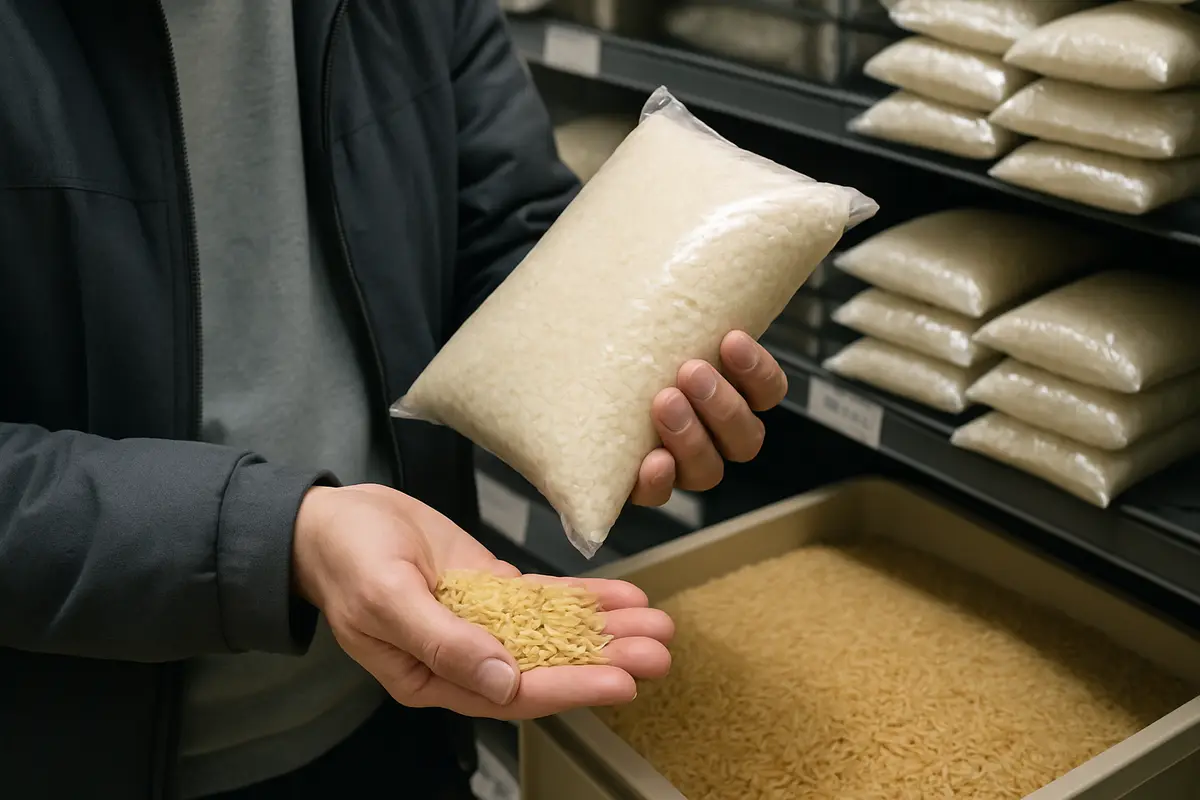
この画像はAIで生成され、学習目的で使用されています。
This image is AI-generated and used for educational purposes.
日本で、お米の値段が高くなっています2。去年より高い店が多いです3。スーパーでお米を買う人は、みんなおどろいています4。
どうして値段が高くなったのでしょうか5。今年は、暑い天気が続きました6。暑さはお米によくないと言われています7。それで、お米が前より少なくなりました8。お米が少ないので、値段が高くなりました9。
政府は、お米をもっと店に出すと言いました10。これで、値段が少し安くなるかもしれません11。多くの人が、安いお米を待っています12。これからもお米の値段に気をつけたいです13。
Discussion
to rate or comment.
No comments yet.