日本に来る外国の観光客が増えています2。今年は、これまでで一番多くなりました3。多くの人が、日本の文化や食べ物を楽しんでいます4。
特に、京都や東京は人気があります5。お寺や神社を見たり、買い物をしたりする人が多いです6。円が安いので、外国の人は買い物がしやすくなりました7。
観光客が増えて、町は元気になりました8。しかし、人が多すぎて困っている場所もあります9。これからは、もっと静かな町にも観光客が来るといいと、専門家は話しています10。
(にほん)
Japan
(くる)
to come
(かんこうきゃく)
tourist; sightseer
(ふえる)
to increase; to grow
(がいこく)
foreign country
(ことし)
this year
(これまで)
until now / so far
(いちばん)
number one, most
(おおい)
many
(ひと)
person / people
(ぶんか)
Culture
(たべもの)
food
(たのしむ)
to enjoy
(とくに)
especially / particularly
(きょうと)
Kyoto
(とうきょう)
Tokyo
(にんき)
popularity
(おてら)
temple
(じんじゃ)
Shinto shrine
(みる)
to see, watch
(かいもの)
shopping
(えん)
yen (currency); circle
(やすい)
cheap / inexpensive
(まち)
town
(げんき)
Healthy; energetic; lively
(しかし)
however, but
(こまる)
to be troubled; to be in difficulty
(ばしょ)
place
(これから)
from now on
(もっと)
more / further
(しずか)
quiet
(せんもんか)
expert, specialist
(はなす)
to speak, talk
is doing, has been doing (ongoing state/action)
Expresses a continuing action or resulting state. Formed with て-form + いる. Can describe an action in progress or a state resulting from a past change.
今、ご飯を食べています。
I am eating rice now.
東京に住んでいます。
I live in Tokyo.
ドアが開いています。
The door is open.
to become (い-adjective)
Expresses a change of state for い-adjectives. Drop the final い and add くなる. Indicates something has changed or will change to a new state.
寒くなりました。
It has gotten cold.
日本語が上手になりました。
My Japanese has gotten better.
値段が高くなりました。
The price became expensive.
doing things like ~ and ~
Lists representative actions among several. Implies there are other actions too. Used twice in this article.
週末は本を読んだり映画を見たりします。
On weekends I do things like read books and watch movies.
歌ったり踊ったりして楽しんだ。
We had fun singing and dancing.
easy to ~ / tends to ~
Used in 'うつりやすくて' meaning 'easily contagious / easy to catch'.
この本は読みやすい。
This book is easy to read.
忘れやすい。
Easy to forget.
because ~ / since ~
Causal connector. Because JA is buying at higher prices, store prices will also rise.
雨が降ったので、家にいた。
Since it rained, I stayed home.
忙しいので、行けません。
Since I'm busy, I can't go.
too much / excessively ~
Indicates excess. Used to describe the government's methods being too harsh (厳しすぎる) and the military deployment being excessive (やりすぎ).
政府の厳しすぎるやり方に反対する人たち
People opposing the government's overly harsh methods
軍を出すのはやりすぎだ。
Deploying the military is going too far.
to say that ~ (quotation with と)
Quotative と marks reported speech: 来るといい…と専門家は話しています reports the experts' opinion.
来るといいと話しています。
They say it would be good if they came.
難しいと話しました。
He said it was difficult.
日本に来る観光客が増えた
The number of tourists coming to Japan has increased
日本に来る外国の観光客が増えています。
The number of foreign tourists coming to Japan is increasing.
今年は、これまでで一番多くなりました。
This year it became the highest ever.
多くの人が、日本の文化や食べ物を楽しんでいます。
Many people are enjoying Japan's culture and food.
特に、京都や東京は人気があります。
In particular, Kyoto and Tokyo are popular.
お寺や神社を見たり、買い物をしたりする人が多いです。
Many people visit temples and shrines and go shopping.
円が安いので、外国の人は買い物がしやすくなりました。
Because the yen is cheap, it has become easier for foreigners to shop.
観光客が増えて、町は元気になりました。
With more tourists, the towns have become lively.
しかし、人が多すぎて困っている場所もあります。
However, there are also places that are troubled by too many people.
これからは、もっと静かな町にも観光客が来るといいと、専門家は話しています。
Experts say that from now on, it would be good if tourists came to quieter towns too.
2026年06月14日 19:10
著者: jpreader
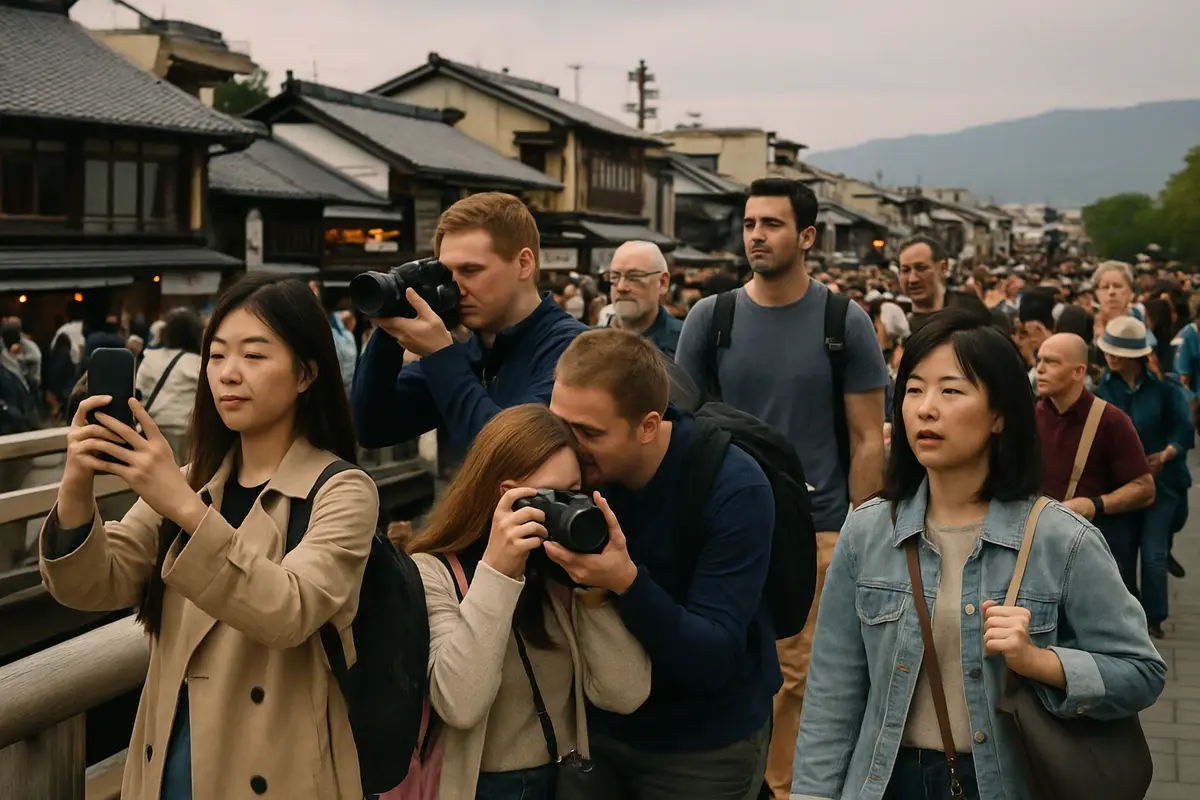
この画像はAIで生成され、学習目的で使用されています。
This image is AI-generated and used for educational purposes.
日本に来る外国の観光客が増えています2。今年は、これまでで一番多くなりました3。多くの人が、日本の文化や食べ物を楽しんでいます4。
特に、京都や東京は人気があります5。お寺や神社を見たり、買い物をしたりする人が多いです6。円が安いので、外国の人は買い物がしやすくなりました7。
観光客が増えて、町は元気になりました8。しかし、人が多すぎて困っている場所もあります9。これからは、もっと静かな町にも観光客が来るといいと、専門家は話しています10。
Discussion
to rate or comment.
No comments yet.