Used in 悩まずに ('without worrying alone') to encourage people to seek consultation.
朝ごはんを食べずに出かけた。
I went out without eating breakfast.
何も言わずに帰った。
He left without saying anything.
~ている
N5
is doing, has been doing (ongoing state/action)
Expresses a continuing action or resulting state. Formed with て-form + いる. Can describe an action in progress or a state resulting from a past change.
今、ご飯を食べています。
I am eating rice now.
東京に住んでいます。
I live in Tokyo.
ドアが開いています。
The door is open.
~ば
N4
conditional: if ~
Ba-form conditional expressing 'if ~ then ~'.
勉強すれば、合格できる。
If you study, you can pass.
早く起きれば間に合う。
If you wake up early, you'll make it.
~なくても
N4
even without ~ / even if not ~
Negative te-form with も meaning even if not. Here 予約をしなくても (even without making a reservation).
行かなくてもいい。
You don't have to go.
食べなくても大丈夫。
It's OK even without eating.
~という
N4
called/named ~
Used to introduce or name something. In this article, 「鳥貴族」という店 means 'a store called Torikizoku'.
田中という人を知っていますか。
Do you know a person called Tanaka?
これは寿司という料理です。
This is a dish called sushi.
~(よ)うとする
N3
to try to / to attempt to
Shows the government attempting to promote it: 進めようとしている.
政府も進めようとしている。
The government is also trying to promote it.
ドアを開けようとした。
I tried to open the door.
~からだ
N4
because ~
States a reason. Here the cause is global warming.
地球が暖かくなっているからだ。
It's because the earth is warming.
忙しいからだ。
It's because I'm busy.
~にとって
N3
for ~ / from the perspective of ~
Indicates a point of view or perspective. Used twice here for 'the company' and 'the Vietnamese people'.
私にとって家族は大切です。
Family is important to me.
子供にとって勉強は難しい。
Study is difficult for children.
~と言われている
N3
it is said that ~
Passive form expressing common knowledge or reputation. It is said that aquaculture of nodoguro is difficult.
難しいと言われています。
It is said to be difficult.
日本語は難しいと言われています。
It is said that Japanese is difficult.
一方で
N2
on the other hand
Introduces the opposing concern: 一方で、心配する声もある.
一方で、心配する声もある。
On the other hand, there are also voices of concern.
便利だが、一方で危険もある。
It's convenient, but on the other hand there is danger.
~と
N4
when ..., if ... (natural consequence)
Conditional と indicating that when one thing happens, another naturally follows. States general truths, habitual results, or inevitable consequences.
春になると、桜が咲きます。
When spring comes, the cherry blossoms bloom.
このボタンを押すと、ドアが開きます。
If you press this button, the door opens.
~なくなる
N4
to become no longer / to disappear
Indicates a change where something ceases to exist or can no longer be done. Here it describes that prayer gatherings can no longer be held in Hong Kong.
お金がなくなった。
The money is gone.
痛みがなくなりました。
The pain went away.
~場合がある
N3
there are cases where / sometimes
Indicates a possible downside: 給料が下がる場合もあります (there are cases where pay goes down).
給料が下がる場合もあります。
There are cases where pay goes down.
遅れる場合があります。
There are cases of being late.
~そうだ
N4
seems like / looks like ~
Verb stem + そう expresses appearance/likelihood.
雨が降りそうだ。
It looks like it will rain.
おいしそう。
Looks tasty.
1
キャッシュレス決済が日本で広がる
Cashless payment is spreading in Japan
2
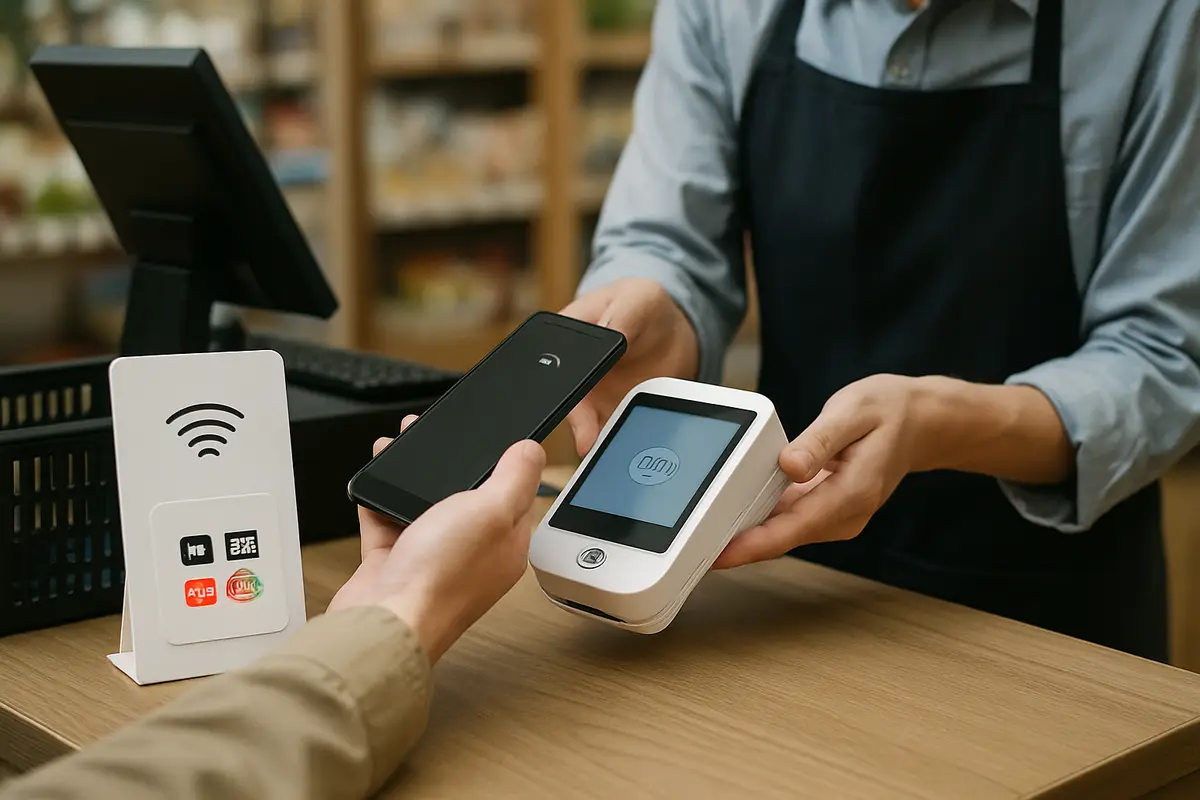
日本では、現金を使わずに買い物をする「キャッシュレス決済」が広がっている。
In Japan, "cashless payment," which means shopping without using cash, is spreading.
3
スマートフォンやカードを使えば、財布からお金を出さなくても支払いができる。
If you use a smartphone or a card, you can pay without taking money out of your wallet.
4
特に若い人の間で利用が増えているという。
It is said that its use is increasing especially among young people.
5
政府もキャッシュレス決済を進めようとしている。
The government is also trying to promote cashless payment.
6
現金を数える手間が減り、店の仕事が楽になるからだ。
This is because the trouble of counting cash decreases, making the work at stores easier.
7
また、外国から来た観光客にとっても便利だと言われている。
It is also said to be convenient for tourists who come from abroad.
8
一方で、心配する声もある。
On the other hand, there are also voices of concern.
9
停電や通信の問題が起きると、決済ができなくなる場合がある。
When a power outage or a communication problem occurs, there are cases where payment cannot be made.
10
高齢者の中には、使い方が分からない人も少なくない。
Among elderly people, there are quite a few who do not understand how to use it.
11
こうした課題をどう解決するかが、これからの大切なテーマになりそうだ。
How to solve such problems seems likely to become an important theme going forward.
キャッシュレス決済が日本で広がる1
2026年06月15日 19:11
著者: jpreader
この画像はAIで生成され、学習目的で使用されています。
This image is AI-generated and used for educational purposes.
Discussion
to rate or comment.
No comments yet.