六月十六日、石川県と奈良県で、熊が人を襲いました2。二人がけがをしました3。
石川県では、山の近くで男の人が熊に襲われました4。手にけがをしましたが、大きいけがではありません5。男の人はすぐに病院に行きました6。奈良県でも、同じ日に女の人が熊に襲われて、足にけがをしました7。
最近、町の近くで熊をよく見ます8。警察は「山や川の近くに行くとき、気をつけてください」と言いました9。一人で行かないで、鈴を持つといいです10。鈴の音を聞くと、熊は逃げます11。
(くま)
bear
(ひと)
person / people
(おそう)
to attack; to assault
(ふたり)
two people
(けが)
injury
(ろくがつ)
June
(じゅうろくにち)
the 16th (of the month)
(いしかわけん)
Ishikawa Prefecture
(ならけん)
Nara Prefecture
(やま)
mountain
(ちかく)
nearby
(おとこ)
man
(て)
hand
(おおきい)
big; large
(すぐ)
immediately, soon
(びょういん)
hospital
(いく)
to go
(おなじ)
same
(ひ)
day
(おんな)
woman
(あし)
foot; leg
(さいきん)
recently
(まち)
town
(よく)
often, well, frequently
(みる)
to see, watch
(けいさつ)
police
(かわ)
river
(きをつける)
to be careful
(いう)
to say
(ひとり)
one person / alone
(すず)
bell
(もつ)
to have; to hold
(おと)
sound
(きく)
to listen, hear
(にげる)
to escape / to run away
past tense (plain/polite past)
Used throughout this news report to describe past events: the typhoon moved east, rain fell, warnings were issued.
東に進みました。
It advanced to the east.
雨がたくさん降りました。
It rained a lot.
did ... (polite past)
Polite past tense of verbs. Formed with verb stem + ました. Used in formal or polite speech to describe completed actions.
昨日、映画を見ました。
I watched a movie yesterday.
朝ごはんを食べました。
I ate breakfast.
友達が来ました。
A friend came.
passive voice: was/were ~ed
Passive form indicating that the subject receives the action. '食べられて' means 'were eaten'. Central grammar of this article about tulips being eaten by deer.
ケーキが弟に食べられた。
The cake was eaten by my little brother.
~, but ~ (contrastive)
The conjunction が connects two clauses with a soft contrast. Here it contrasts rising prices with strong drink sales.
値段は上がっていますが、飲み物はよく売れた。
Prices are rising, but drinks sold well.
難しいですが、面白いです。
It's hard, but interesting.
Is not ~
Polite negative form of です. Used to negate a noun or na-adjective predicate. The price is not yet affordable.
学生ではありません。
I am not a student.
when ~
Indicates the time when something happened — when he was in junior high school.
中学生のとき病気になりました。
When I was a junior-high student I got sick.
子どものとき日本にいました。
I was in Japan when I was a child.
please do ...
Polite request form. Formed with て-form + ください. Used to ask someone to perform an action.
ここに名前を書いてください。
Please write your name here.
もう一度言ってください。
Please say it once more.
窓を開けてください。
Please open the window.
without doing; don't do
Negative te-form used to indicate doing something without another action, or as a soft command.
朝ご飯を食べないで学校に行きました。
I went to school without eating breakfast.
心配しないでください。
Please don't worry.
it would be good to
Expresses suggestion or desirable action.
休むといいです
it would be good to rest
if / when (natural consequence)
Conditional と indicating a natural or expected result. 一緒に捨てると…火が出て means 'if you throw them away together, fire starts.'
ボタンを押すと、ドアが開きます。
When you press the button, the door opens.
春になると、桜が咲きます。
When spring comes, cherry blossoms bloom.
熊が人を襲った 二人がけがをした
A bear attacked people; two were injured
六月十六日、石川県と奈良県で、熊が人を襲いました。
On June 16, bears attacked people in Ishikawa Prefecture and Nara Prefecture.
二人がけがをしました。
Two people were injured.
石川県では、山の近くで男の人が熊に襲われました。
In Ishikawa Prefecture, a man was attacked by a bear near the mountains.
手にけがをしましたが、大きいけがではありません。
He hurt his hand, but it was not a serious injury.
男の人はすぐに病院に行きました。
The man went to the hospital right away.
奈良県でも、同じ日に女の人が熊に襲われて、足にけがをしました。
In Nara Prefecture too, on the same day, a woman was attacked by a bear and injured her leg.
最近、町の近くで熊をよく見ます。
Recently, bears are often seen near towns.
警察は「山や川の近くに行くとき、気をつけてください」と言いました。
The police said, "When you go near mountains or rivers, please be careful."
一人で行かないで、鈴を持つといいです。
It is good not to go alone and to carry a bell.
鈴の音を聞くと、熊は逃げます。
When bears hear the sound of a bell, they run away.
2026年06月18日 19:09
著者: jpreader
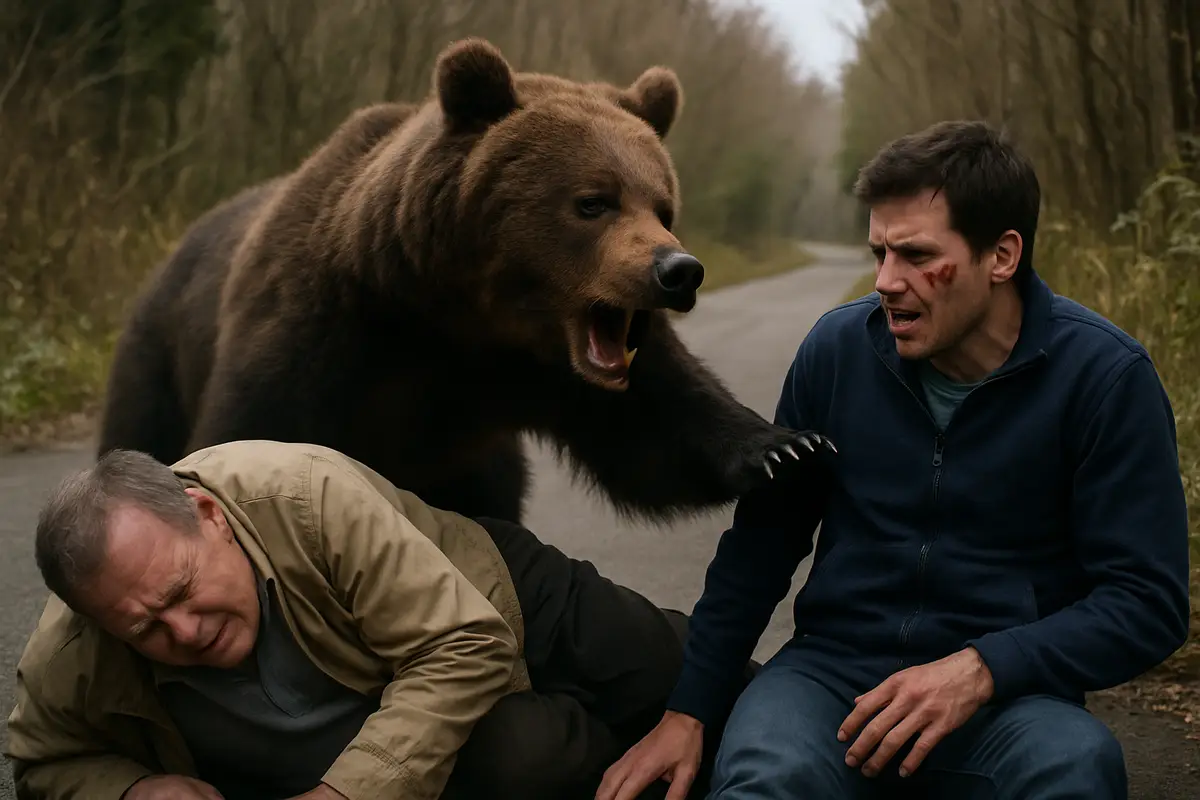
この画像はAIで生成され、学習目的で使用されています。
This image is AI-generated and used for educational purposes.
六月十六日、石川県と奈良県で、熊が人を襲いました2。二人がけがをしました3。
石川県では、山の近くで男の人が熊に襲われました4。手にけがをしましたが、大きいけがではありません5。男の人はすぐに病院に行きました6。奈良県でも、同じ日に女の人が熊に襲われて、足にけがをしました7。
最近、町の近くで熊をよく見ます8。警察は「山や川の近くに行くとき、気をつけてください」と言いました9。一人で行かないで、鈴を持つといいです10。鈴の音を聞くと、熊は逃げます11。
Discussion
to rate or comment.
No comments yet.