今、日本に来る外国人の観光客が増えています2。去年は3000万人以上が日本を訪れました3。円が安いので、買い物や旅行が安くできます4。
京都や東京などの有名な場所には、毎日たくさんの人が集まります5。ホテルの予約が難しくなりました6。電車やバスも込んでいます7。
地元の人たちは、町がにぎやかになってうれしいと言います8。しかし、ごみやマナーの問題も増えました9。市は外国人にルールを守るようにお願いしています10。
(がいこくじん)
foreigner
(かんこうきゃく)
tourist; sightseer
(にほん)
Japan
(ふえる)
to increase; to grow
(いま)
now
(くる)
to come
(きょねん)
last year
(まん)
ten thousand
(にん)
counter for people
(おとずれる)
to visit
(えん)
yen (currency); circle
(やすい)
cheap / inexpensive
(かいもの)
shopping
(りょこう)
Travel; trip
(きょうと)
Kyoto
(とうきょう)
Tokyo
(ゆうめい)
famous
(ばしょ)
place
(まいにち)
every day
(たくさん)
a lot / many
(あつまる)
to gather; to come together
(ほてる)
hotel
(よやく)
reservation
(むずかしい)
difficult
(でんしゃ)
electric train
(ばす)
bus
(こむ)
to be crowded
(じもと)
local / one's hometown
(まち)
town
(にぎやか)
lively, bustling
(うれしい)
happy; glad
(いう)
to say
(ごみ)
trash, garbage
(まなー)
manners
(もんだい)
problem
(し)
city
(るーる)
rule
(まもる)
to protect
(おねがいする)
to request; to ask a favor
is doing, has been doing (ongoing state/action)
Expresses a continuing action or resulting state. Formed with て-form + いる. Can describe an action in progress or a state resulting from a past change.
今、ご飯を食べています。
I am eating rice now.
東京に住んでいます。
I live in Tokyo.
ドアが開いています。
The door is open.
~ or more / above ~
Indicates a quantity equal to or greater than a stated value. Here it describes earthquakes of magnitude 6 or greater.
マグニチュード6以上の地震が続いています。
Earthquakes of magnitude 6 or more are continuing.
20歳以上の人
People 20 years old or older
because ~ / since ~
Causal connector. Because JA is buying at higher prices, store prices will also rise.
雨が降ったので、家にいた。
Since it rained, I stayed home.
忙しいので、行けません。
Since I'm busy, I can't go.
such as / etc.
Used to give examples from a larger group.
りんごやバナナなどを買いました。
I bought apples, bananas, etc.
長野県や北海道など
Nagano, Hokkaido, etc.
to become (い-adjective)
Expresses a change of state for い-adjectives. Drop the final い and add くなる. Indicates something has changed or will change to a new state.
寒くなりました。
It has gotten cold.
日本語が上手になりました。
My Japanese has gotten better.
値段が高くなりました。
The price became expensive.
to say that ...
Quotation pattern. と marks the quoted content, followed by 言う (to say). Used for both direct and indirect speech.
先生は明日休みだと言いました。
The teacher said tomorrow is a day off.
母は早く帰ってきてと言った。
My mother said to come home early.
彼はもう行かないと言っています。
He says he won't go anymore.
however / but
Conjunction introducing a contrasting fact. Here it contrasts the bus arrangement with the traffic problem.
勉強した。しかし、試験は難しかった。
I studied. However, the exam was difficult.
しかし、雪で道が混みました。
However, the roads were crowded because of snow.
so that ~
Indicates a goal or desired outcome. Here: so that trainees reach the Specified Skilled Worker level.
分かるように説明します。
I'll explain so you understand.
聞こえるように大きい声で話す。
Speak loudly so it can be heard.
外国人観光客が日本に増えている
Foreign tourists are increasing in Japan
今、日本に来る外国人の観光客が増えています。
Right now, the number of foreign tourists coming to Japan is increasing.
去年は3000万人以上が日本を訪れました。
Last year, more than 30 million people visited Japan.
円が安いので、買い物や旅行が安くできます。
Because the yen is cheap, shopping and travel can be done inexpensively.
京都や東京などの有名な場所には、毎日たくさんの人が集まります。
Many people gather every day at famous places such as Kyoto and Tokyo.
ホテルの予約が難しくなりました。
Booking hotels has become difficult.
電車やバスも込んでいます。
Trains and buses are crowded too.
地元の人たちは、町がにぎやかになってうれしいと言います。
Local people say they are happy that their towns have become lively.
しかし、ごみやマナーの問題も増えました。
However, problems with trash and manners have also increased.
市は外国人にルールを守るようにお願いしています。
The city is asking foreigners to follow the rules.
2026年06月21日 19:08
著者: jpreader
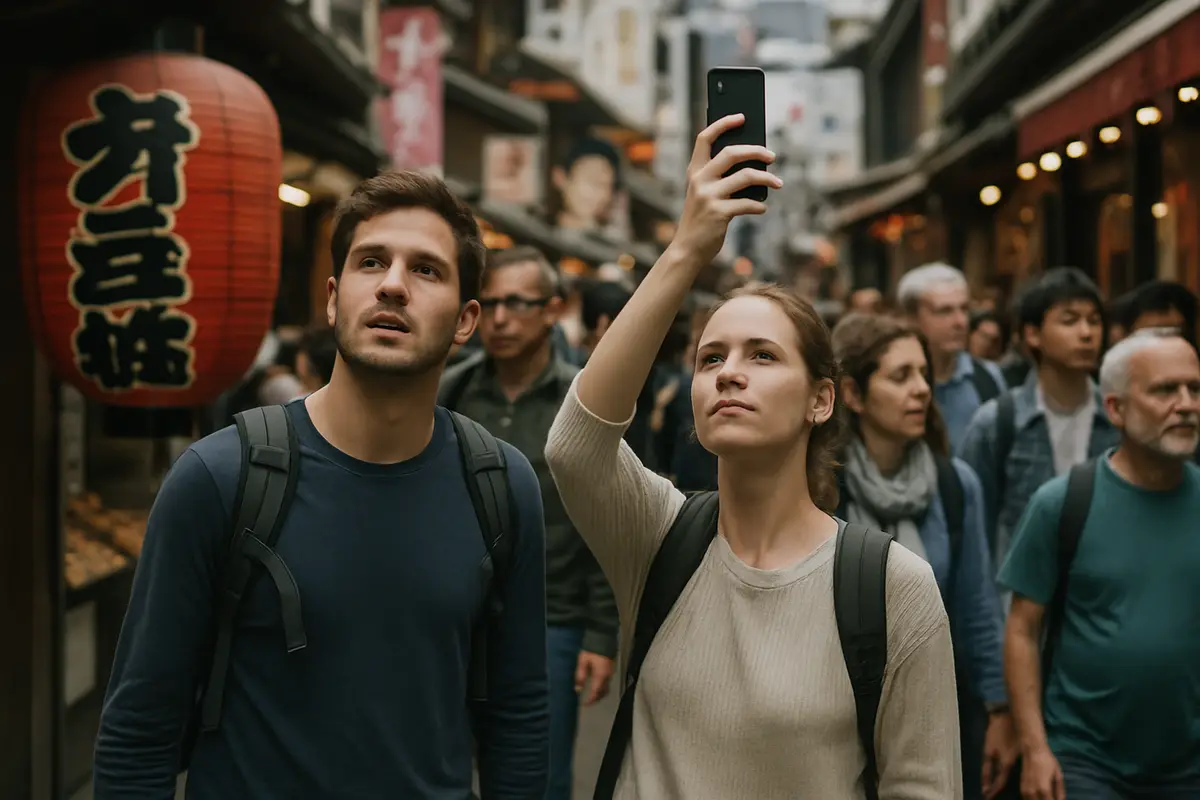
この画像はAIで生成され、学習目的で使用されています。
This image is AI-generated and used for educational purposes.
今、日本に来る外国人の観光客が増えています2。去年は3000万人以上が日本を訪れました3。円が安いので、買い物や旅行が安くできます4。
京都や東京などの有名な場所には、毎日たくさんの人が集まります5。ホテルの予約が難しくなりました6。電車やバスも込んでいます7。
地元の人たちは、町がにぎやかになってうれしいと言います8。しかし、ごみやマナーの問題も増えました9。市は外国人にルールを守るようにお願いしています10。
Discussion
to rate or comment.
No comments yet.