大学だいがく
N5

(だいがく)

university; college

宇宙うちゅう
N2

(うちゅう)

space; universe

ごみごみ
N4

(ごみ)

trash, garbage

調査ちょうさ
N2

(ちょうさ)

investigation; survey

衛星えいせい
N1

(えいせい)

satellite

打ち上げうちあげ
N2

(うちあげ)

launch (of a rocket)

打ち上げるうちあげる
N2

(うちあげる)

to launch (a rocket)

日本にほん
N5

(にほん)

Japan

あるある
N4

(ある)

a certain (some)

チームちーむ
N4

(ちーむ)

team

調べるしらべる
N4

(しらべる)

to investigate; to survey

小さなちいさな
N4

(ちいさな)

small / little

人工じんこう
N2

(じんこう)

artificial / man-made

役目やくめ
N2

(やくめ)

role / duty

終えるおえる
N3

(おえる)

to finish / to bring to an end

古いふるい
N5

(ふるい)

old (things)

ロケットろけっと
N3

(ろけっと)

rocket

一部いちぶ
N3

(いちぶ)

part, portion

地球ちきゅう
N3

(ちきゅう)

Earth, the globe

周りまわり
N3

(まわり)

Surroundings; people around; vicinity

こうしたこうした
N3

(こうした)

such / this kind of

大量たいりょう
N2

(たいりょう)

large quantity

残るのこる
N3

(のこる)

to remain / to stay behind

動くうごく
N4

(うごく)

to move

ぶつかるぶつかる
N3

(ぶつかる)

to crash into, to collide

危険きけん
N3

(きけん)

danger; risk

高まるたかまる
N3

(たかまる)

to rise, to grow

今回こんかい
N4

(こんかい)

this time

特別とくべつ
N3

(とくべつ)

Special; particular

カメラかめら
N5

(かめら)

camera

付くつく
N3

(つく)

to attach, stick to

動きうごき
N3

(うごき)

movement; trend

観察かんさつ
N2

(かんさつ)

observation

位置いち
N2

(いち)

position / location

正確せいかく
N2

(せいかく)

accurate / precise

記録きろく
N3

(きろく)

record

集めるあつめる
N4

(あつめる)

to collect

情報じょうほう
N3

(じょうほう)

information

将来しょうらい
N3

(しょうらい)

future

安全あんぜん
N4

(あんぜん)

safety

取り除くとりのぞく
N2

(とりのぞく)

to remove / get rid of

技術ぎじゅつ
N3

(ぎじゅつ)

skill, technology

開発かいはつ
N2

(かいはつ)

development

役立てるやくだてる
N2

(やくだてる)

to put to use / make useful

研究けんきゅう
N4

(けんきゅう)

research, study

環境かんきょう
N3

(かんきょう)

environment

守るまもる
N4

(まもる)

to protect

ますますますます
N2

(ますます)

increasingly / more and more

重要じゅうよう
N3

(じゅうよう)

important

説明せつめい
N4

(せつめい)

explanation

今後こんご
N3

(こんご)

from now on; in the future

各国かっこく
N2

(かっこく)

each country / various nations

協力きょうりょく
N3

(きょうりょく)

cooperation

続けるつづける
N4

(つづける)

to continue

話すはなす
N5

(はなす)

to speak, talk

~ための
N3

in order to, for the purpose of

Expresses purpose. Formed with verb dictionary form + ための + noun, or noun + のための + noun. Modifies the following noun to indicate its purpose.

試験のための勉強をしています。

I am studying for the exam.

健康のために運動します。

I exercise for my health.

日本語を勉強するための本を買いました。

I bought a book for studying Japanese.

~とは
N2

the term ~ means (definition)

~とは introduces a definition or explanation of a term. 宇宙ごみとは means 'what is called space debris is...'.

宇宙ごみとは、古い衛星のことだ。

Space debris refers to old satellites.

和紙とは、日本の伝統的な紙のことだ。

Washi means traditional Japanese paper.

~こと
N5

nominalizer (the act of ~)

Turns a verb phrase into a noun. Here 話を聞くこと (the act of listening to a speech).

日本に行くことが好きだ。

I like going to Japan.

勉強することは大切だ。

Studying is important.

~ており
N3

and (formal ~ている)

Formal/written form of ~ていて, connecting clauses. Here competition is becoming fierce, and... (激しくなっており).

店は開いており、客も多い。

The shop is open, and there are many customers.

雨が降っており、寒い。

It is raining, and it's cold.

~ている
N5

is doing, has been doing (ongoing state/action)

Expresses a continuing action or resulting state. Formed with て-form + いる. Can describe an action in progress or a state resulting from a past change.

今、ご飯を食べています。

I am eating rice now.

東京に住んでいます。

I live in Tokyo.

ドアが開いています。

The door is open.

~られる(受身)
N4

passive voice: was/were ~ed

Passive form indicating that the subject receives the action. '食べられて' means 'were eaten'. Central grammar of this article about tulips being eaten by deer.

ケーキが弟に食べられた。

The cake was eaten by my little brother.

~予定だ
N4

plan to / is scheduled to

Indicates a scheduled plan or intent.

来月行く予定です。

I plan to go next month.

会議は3時からの予定です。

The meeting is scheduled from 3.

~ながら
N4

while doing ...

Verb stem + ながら indicates doing two things simultaneously. The action before ながら is the secondary action; the main action follows.

音楽を聞きながら勉強します。

I study while listening to music.

歩きながら話しましょう。

Let's talk while walking.

テレビを見ながらごはんを食べます。

I eat while watching TV.

~ていく
N3

to go on doing / continue to (from now)

In '増えていく' – 'will continue to increase (into the future)'. Indicates continuing trend going forward.

これから寒くなっていく。

From now on, it will become colder.

日本語を勉強していきたい。

I want to continue studying Japanese.

1

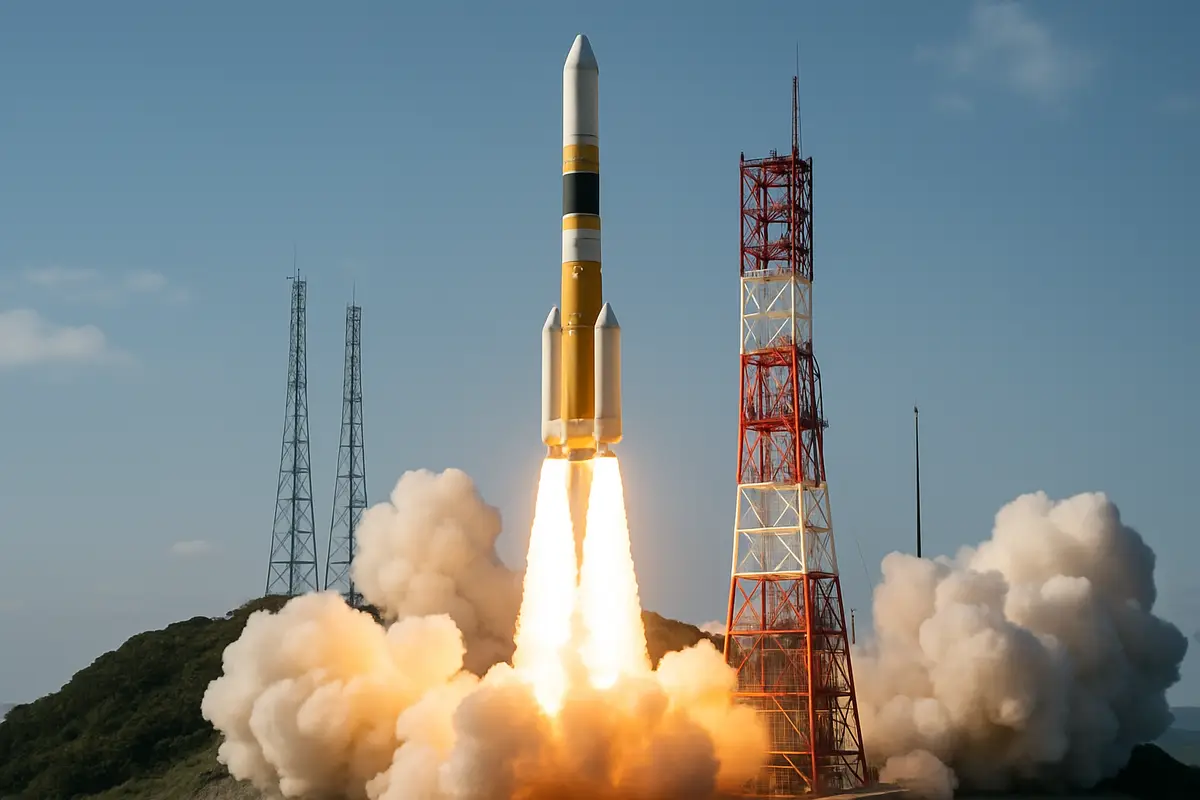
大学が宇宙ごみ調査の衛星を打ち上げ

University launches a satellite to survey space debris

2

ある日本の大学のチームが、宇宙ごみを調べるための小さな人工衛星を打ち上げた。

A team at a certain Japanese university launched a small artificial satellite to investigate space debris.

3

宇宙ごみとは、役目を終えた古い衛星やロケットの一部のことだ。

Space debris refers to old satellites that have finished their role and parts of rockets.

4

地球の周りには、こうしたごみが大量に残っており、動いている衛星にぶつかる危険が高まっている。

A large amount of such debris remains around the Earth, and the danger of it colliding with moving satellites is rising.

5

今回打ち上げられた衛星には、特別なカメラが付いている。

The satellite launched this time is equipped with a special camera.

6

このカメラで宇宙ごみの動きを観察し、位置を正確に記録する。

With this camera, it observes the movement of space debris and accurately records its position.

7

集めた情報は、将来ごみを安全に取り除く技術の開発に役立てられる予定だ。

The collected information is planned to be used in developing technology to safely remove debris in the future.

8

研究チームは、宇宙の環境を守ることがますます重要になっていると説明している。

The research team explains that protecting the space environment is becoming increasingly important.

9

今後も各国と協力しながら、調査を続けていきたいと話している。

They say they want to continue the survey from now on while cooperating with each country.

大学だいがく宇宙うちゅうごみ調査ちょうさ衛星えいせい1

2026年06月22日 19:12

著者: jpreader

大学が宇宙ごみ調査の衛星を打ち上げ

この画像はAIで生成され、学習目的で使用されています。

This image is AI-generated and used for educational purposes.

ある日本にほん大学だいがくチームが、宇宙うちゅうごみ調しらべるためのちいさな人工衛星じんこうえいせいげた2宇宙うちゅうごみとは、役目やくめえたふる衛星えいせいロケット一部いちぶこと3地球ちきゅうまわりには、こうしたごみが大量たいりょうのこており、うごている衛星えいせいぶつかる危険きけんたかまっている4

今回こんかいられた衛星えいせいには、特別とくべつカメラいている5。このカメラ宇宙うちゅうごみうご観察かんさつし、位置いち正確せいかく記録きろくする6あつ情報じょうほうは、将来しょうらいごみ安全あんぜんのぞ技術ぎじゅつ開発かいはつ役立やくだられる予定よてい7

研究けんきゅうチームは、宇宙うちゅう環境かんきょうまもることがますます重要じゅうようなっている説明せつめいしている8今後こんご各国かっこく協力きょうりょくながら調査ちょうさつづていきたいとはなしている9

Discussion

00

to rate or comment.

No comments yet.