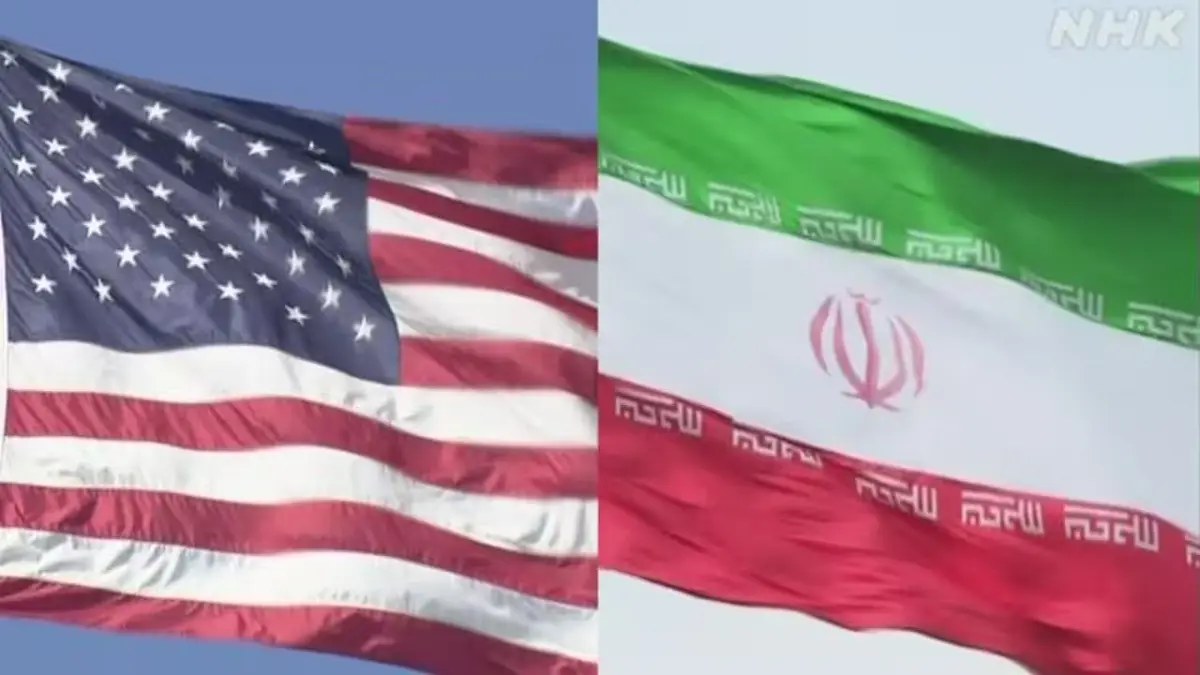
アメリカのトランプ大統領は、1日の夜、アメリカの人たちに向けて話をしました2。
トランプ大統領は、イランを攻撃してから1か月が過ぎた今、アメリカはイランに勝っていると言いました3。
そして、これから2週間から3週間、イランに激しい攻撃をする考えを話しました4。
トランプ大統領はイランとは話もするが、解決しなかったら発電所などを攻撃すると言いました5。
イランのメディアは、トランプ大統領が、また、よくわからない話をしているなどと伝えました6。
(だいとうりょう)
president
(しゅうかん)
week; weekly
(はげしい)
intense, fierce, violent
(こうげき)
attack
(あめりか)
America, USA
(よる)
night
(はなし)
talk, story
(いらん)
Iran
(すぎる)
to pass (time), to exceed
(かつ)
to win
(かんがえ)
idea; thought; plan
(かいけつ)
solution, resolution
(はつでんしょ)
power plant
(めでぃあ)
media
(また)
again
(つたえる)
to convey / to tell
(よく)
often, well, frequently
toward, directed at, addressing
Indicates the target or direction of an action. Often used when someone speaks to an audience or works toward a goal. Formed with noun + に向けて.
学生に向けて話をしました。
I gave a talk addressing the students.
試験に向けて勉強しています。
I am studying for the exam.
世界に向けてメッセージを送った。
They sent a message to the world.
after doing ...
Expresses a sequence where one action is completed before the next begins. Formed with て-form + から. Emphasizes completion of the first action.
ご飯を食べてから、出かけます。
After eating, I will go out.
手を洗ってから、食べてください。
Please eat after washing your hands.
日本に来てから、3年が過ぎました。
Three years have passed since coming to Japan.
is doing, has been doing (ongoing state/action)
Expresses a continuing action or resulting state. Formed with て-form + いる. Can describe an action in progress or a state resulting from a past change.
今、ご飯を食べています。
I am eating rice now.
東京に住んでいます。
I live in Tokyo.
ドアが開いています。
The door is open.
to say that ...
Quotation pattern. と marks the quoted content, followed by 言う (to say). Used for both direct and indirect speech.
先生は明日休みだと言いました。
The teacher said tomorrow is a day off.
母は早く帰ってきてと言った。
My mother said to come home early.
彼はもう行かないと言っています。
He says he won't go anymore.
if ..., when ...
Conditional form indicating 'if' or 'when' something happens. Formed by adding ら to the た-form of a verb. Expresses a hypothetical or temporal condition.
雨が降ったら、行きません。
If it rains, I won't go.
お金があったら、旅行したいです。
If I had money, I'd like to travel.
終わったら、電話してください。
When you're done, please call me.
such as / etc.
Used to give examples from a larger group.
りんごやバナナなどを買いました。
I bought apples, bananas, etc.
長野県や北海道など
Nagano, Hokkaido, etc.
トランプ大統領 「2週間から3週間 激しい攻撃をする」
President Trump: "We will carry out fierce attacks for two to three weeks"
アメリカのトランプ大統領は、1日の夜、アメリカの人たちに向けて話をしました。
On the night of the 1st, U.S. President Trump spoke to the American people.
トランプ大統領は、イランを攻撃してから1か月が過ぎた今、アメリカはイランに勝っていると言いました。
President Trump said that now, a month after attacking Iran, the United States is winning against Iran.
そして、これから2週間から3週間、イランに激しい攻撃をする考えを話しました。
He then said he was considering carrying out fierce attacks on Iran over the next two to three weeks.
トランプ大統領はイランとは話もするが、解決しなかったら発電所などを攻撃すると言いました。
President Trump said he would also hold talks with Iran, but that if things were not resolved he would attack targets such as power plants.
イランのメディアは、トランプ大統領が、また、よくわからない話をしているなどと伝えました。
Iranian media reported that President Trump was once again making statements that were hard to understand.
2026年04月08日 20:36
アメリカのトランプ大統領は、1日の夜、アメリカの人たちに向けて話をしました2。
トランプ大統領は、イランを攻撃してから1か月が過ぎた今、アメリカはイランに勝っていると言いました3。
そして、これから2週間から3週間、イランに激しい攻撃をする考えを話しました4。
トランプ大統領はイランとは話もするが、解決しなかったら発電所などを攻撃すると言いました5。
イランのメディアは、トランプ大統領が、また、よくわからない話をしているなどと伝えました6。
Discussion
to rate or comment.
No comments yet.