手錠てじょう
N1

(てじょう)

handcuffs

ペルー人ぺるーじん
N3

(ぺるーじん)

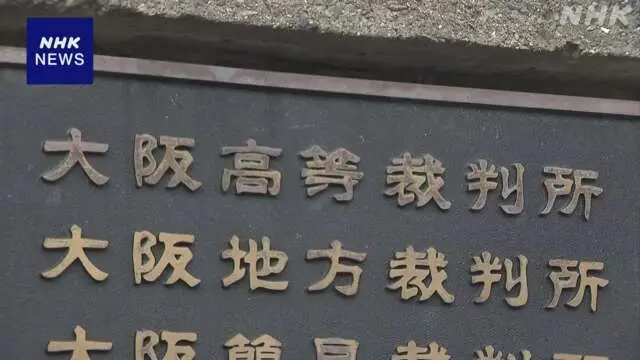
Peruvian person

裁判さいばん
N2

(さいばん)

trial

くに
N5

(くに)

country; the government

払うはらう
N3

(はらう)

to pay

入管にゅうかん
N1

(にゅうかん)

immigration bureau

出入国しゅつにゅうこく
N1

(しゅつにゅうこく)

immigration and emigration

在留ざいりゅう
N1

(ざいりゅう)

residence (as a foreign resident)

管理局かんりきょく
N1

(かんりきょく)

management/control bureau

入るはいる
N5

(はいる)

to enter, be contained in

大阪おおさか
N5

(おおさか)

Osaka

もっともっと
N5

(もっと)

more / further

食べ物たべもの
N5

(たべもの)

food

べつ
N3

(べつ)

another; different

部屋へや
N5

(へや)

room

連れるつれる
N3

(つれる)

to take / bring (a person)

行くいく
N5

(いく)

to go

N5

(て)

hand

つけるつける
N4

(つける)

to attach / put on

長いながい
N5

(ながい)

long

時間じかん
N5

(じかん)

time

動くうごく
N4

(うごく)

to move

訴えるうったえる
N2

(うったえる)

to sue; to appeal; to file a complaint

裁判所さいばんしょ
N2

(さいばんしょ)

court

静かしずか
N5

(しずか)

quiet

以上いじょう
N3

(いじょう)

more than; beyond this

法律ほうりつ
N3

(ほうりつ)

law

違反いはん
N2

(いはん)

violation; infringement

~(さ)れる(受け身)
N4

passive form

Passive form. '手錠をされていた' means 'was handcuffed'; '連れて行かれた' means 'was taken away'.

怒られた。

I was scolded.

学校に呼ばれた。

I was called to school.

~ていた
N4

was doing, had been doing

Past progressive or past continuous state. Formed with て-form + いた. Describes an action or state that was ongoing in the past.

昨日は雨が降っていた。

It was raining yesterday.

子供の頃、毎日泳いでいた。

When I was a child, I used to swim every day.

彼女は3年間日本に住んでいた。

She had been living in Japan for 3 years.

~てほしい
N4

want (someone) to do ...

Expresses a wish for someone else to do something. Formed with て-form + ほしい. The person you want to act is marked with に.

静かにしてほしい。

I want you to be quiet.

もう少し待ってほしいです。

I'd like you to wait a bit more.

先生に説明してほしいです。

I want the teacher to explain.

~と言う
N4

to say that ...

Quotation pattern. と marks the quoted content, followed by 言う (to say). Used for both direct and indirect speech.

先生は明日休みだと言いました。

The teacher said tomorrow is a day off.

母は早く帰ってきてと言った。

My mother said to come home early.

彼はもう行かないと言っています。

He says he won't go anymore.

~なさい
N4

do ~! (command)

Polite but firm imperative form. Often used by authority figures giving orders.

早く寝なさい。

Go to bed early!

静かにしなさい。

Be quiet!

~ように言う
N3

to tell (someone) to ~

Used to convey instructions or requests indirectly. Police are telling people to contact them.

連絡するように言っています。

They are telling people to contact them.

先生は静かにするように言いました。

The teacher said to be quiet.

~たあと(も)
N4

after / even after

Indicates time after an event. '静かになったあとも' means 'even after becoming quiet'.

食べたあと、散歩した。

After eating, I took a walk.

卒業したあとも勉強する。

I keep studying even after graduating.

1

手錠をされていたペルー人の裁判「国が11万円を払いなさい」

Trial of a Peruvian man who was handcuffed: "The government must pay 110,000 yen"

2

入管、出入国在留管理局に入れられていた人の裁判についてです。

This is about a trial concerning a man who had been held at the Immigration Services Agency.

3

2017年、ペルー人のブルゴス・フジイさんは大阪の入管に入っていました。

In 2017, a Peruvian man named Mr. Burgos Fujii was held at the immigration facility in Osaka.

4

そのとき、もっといい食べ物にしてほしいと言うと、別の部屋に連れて行かれました。

At that time, when he asked for better food, he was taken to a separate room.

5

そして、手に手錠をつけられました。

Then handcuffs were put on his hands.

6

ブルゴス・フジイさんは長い時間、動くことができなかったと言って、国を訴えました。

Mr. Burgos Fujii said he was unable to move for a long time, and he sued the government.

7

16日、裁判所は「ブルゴス・フジイさんが静かになったあとも、8時間以上手錠をつけていたのは法律に違反します」と言いました。

On the 16th, the court said, "Keeping the handcuffs on for more than eight hours, even after Mr. Burgos Fujii had calmed down, violates the law."

8

裁判所は、11万円を払うように国に言いました。

The court ordered the government to pay 110,000 yen.

手錠てじょうされていたペルーじん裁判さいばんくにが11まんえんはらなさい1

2025年04月17日 19:47

手錠をされていたペルー人の裁判「国が11万円を払いなさい」

入管にゅうかん出入国在留管理局しゅつにゅうこくざいりゅうかんりきょくられひと裁判さいばんについてです2

2017ねんペルーじんのブルゴス・フジイさんは大阪おおさか入管にゅうかんはいいました3。そのとき、もっといいものにしほしいと、べつ部屋へやました4。そして、手錠てじょうつけられました5

ブルゴス・フジイさんはなが時間じかんうごことができなかったってくにうったました6

16にち裁判所さいばんしょは「ブルゴス・フジイさんがしずになっあと、8時間じかん以上いじょう手錠てじょうつけのは法律ほうりつ違反いはんします」ました7裁判所さいばんしょは、11まんえんはらようくにいました8

Discussion

00

to rate or comment.

No comments yet.