先月28日、ミャンマーであった大きい地震についてです2。
日本人が1人亡くなりました3。
マンダレーというまちでは、地震でたくさんの建物が壊れました4。このまちに住んでいた日本人の1人が、どこにいるかわからなくなっていました5。
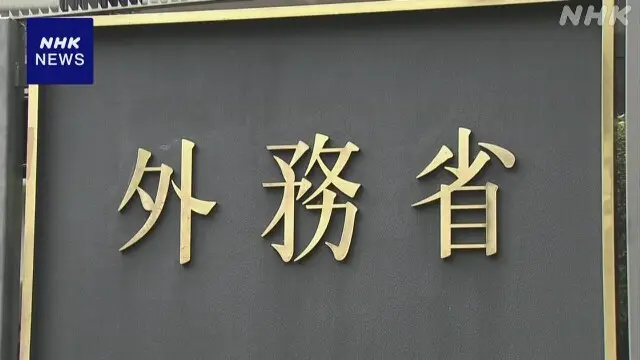
日本の外務省によると、12日、壊れた建物の中から、この日本人が見つかりました6。亡くなっていました7。
この地震で、日本人が亡くなったのは初めてです8。
(せんげつ)
last month
(にち)
day
(みゃんまー)
Myanmar
(おおきい)
big; large
(じしん)
earthquake
(にほんじん)
Japanese person
(にん)
counter for people
(なくなる)
to pass away; to die (polite)
(まんだれー)
Mandalay (city)
(まち)
town / city
(たくさん)
a lot / many
(たてもの)
building
(こわれる)
To break; to be destroyed
(すむ)
to live; to reside
(わかる)
to understand
(にほん)
Japan
(がいむしょう)
Ministry of Foreign Affairs
(なか)
inside
(みつかる)
to be found
(はじめて)
for the first time
about / regarding / concerning
Used to indicate the topic of discussion or consideration. Here it introduces the topic the team will think about.
日本について話します。
I will talk about Japan.
この問題について考える。
Think about this problem.
according to ...
Cites a source of information. The noun before によると is the source. Often followed by a reported statement.
天気予報によると、明日は雨です。
According to the weather forecast, it will rain tomorrow.
ニュースによると、地震がありました。
According to the news, there was an earthquake.
先生によると、テストは来週です。
According to the teacher, the test is next week.
to become no longer / to disappear
Indicates a change where something ceases to exist or can no longer be done. Here it describes that prayer gatherings can no longer be held in Hong Kong.
お金がなくなった。
The money is gone.
痛みがなくなりました。
The pain went away.
it is the first time to ~
Nominalizer の + は初めて expresses a first-time experience. WBCに出るのは初めてです means 'it is the first time to participate in the WBC.'
日本に来るのは初めてです。
It is my first time coming to Japan.
寿司を食べるのは初めてでした。
It was my first time eating sushi.
~ is found/discovered
Intransitive form expressing that something was found. Used here about the manuscripts being discovered at Takahata's home.
鍵が見つかりました。
The keys were found.
いい仕事が見つかった。
I found a good job.
by / in ~ (location or means)
で marks location of action or cause. Because of the earthquake, buildings were destroyed.
学校で勉強します。
I study at school.
地震でビルが壊れた。
Buildings broke due to the earthquake.
ミャンマーの地震で日本人1人が亡くなった
One Japanese person died in the earthquake in Myanmar
先月28日、ミャンマーであった大きい地震についてです。
This is about the large earthquake that occurred in Myanmar on the 28th of last month.
日本人が1人亡くなりました。
One Japanese person died.
マンダレーというまちでは、地震でたくさんの建物が壊れました。
In a city called Mandalay, many buildings were destroyed by the earthquake.
このまちに住んでいた日本人の1人が、どこにいるかわからなくなっていました。
One Japanese person who had been living in this city had gone missing, with no one knowing where they were.
日本の外務省によると、12日、壊れた建物の中から、この日本人が見つかりました。
According to Japan's Ministry of Foreign Affairs, on the 12th this Japanese person was found inside a collapsed building.
亡くなっていました。
They had died.
この地震で、日本人が亡くなったのは初めてです。
This is the first time a Japanese person has died in this earthquake.
2025年04月14日 19:31
先月28日、ミャンマーであった大きい地震についてです2。
日本人が1人亡くなりました3。
マンダレーというまちでは、地震でたくさんの建物が壊れました4。このまちに住んでいた日本人の1人が、どこにいるかわからなくなっていました5。
日本の外務省によると、12日、壊れた建物の中から、この日本人が見つかりました6。亡くなっていました7。
この地震で、日本人が亡くなったのは初めてです8。
Discussion
to rate or comment.
No comments yet.