アメリカの前の大統領のバイデンさんが15日、シカゴであった会議で話をしました2。
大統領を辞めてから、みんなの前で話をするのは初めてです3。
バイデンさんは、トランプさんの政治をよくないと強く言いました4。政府で働く人をたくさん辞めさせたと言いました5。そして「トランプさんは、短い間に、たくさんのものを壊した」などと批判しました6。
バイデンさんは、今のアメリカについて「国の中でこんなに考え方が分かれたことはなかった7。みんなが力を合わせよう」と言いました8。
(まえ)
before, previous
(だいとうりょう)
president
(せいじ)
politics
(あめりか)
America, USA
(しかご)
Chicago
(かいぎ)
meeting; conference
(はなし)
talk, story
(やめる)
to quit, resign
(みんな)
Everyone; everybody
(はじめて)
for the first time
(つよい)
strong
(いう)
to say
(せいふ)
government; administration
(はたらく)
to work
(たくさん)
a lot / many
(みじかい)
short
(あいだ)
interval, during
(こわす)
to break, destroy
(ひはん)
criticism; critique
(いま)
now
(くに)
country; the government
(なか)
inside
(かんがえかた)
way of thinking
(わかれる)
to be divided; to split
(ちから)
strength; power
(あわせる)
to combine, match
about / regarding / concerning
Used to indicate the topic of discussion or consideration. Here it introduces the topic the team will think about.
日本について話します。
I will talk about Japan.
この問題について考える。
Think about this problem.
after doing ...
Expresses a sequence where one action is completed before the next begins. Formed with て-form + から. Emphasizes completion of the first action.
ご飯を食べてから、出かけます。
After eating, I will go out.
手を洗ってから、食べてください。
Please eat after washing your hands.
日本に来てから、3年が過ぎました。
Three years have passed since coming to Japan.
it is the first time ~
Used in こんなに風が強いのは初めてです — the first-person speaker says it's the first time experiencing such strong winds.
これを食べるのは初めてです。
It's my first time eating this.
雪を見るのは初めてだ。
It's the first time I've seen snow.
causative - to make/let someone do
Causative form expressing forcing/letting someone do something. '辞めさせた' means 'made them resign'.
子どもを勉強させる。
Make the child study.
妹を行かせた。
I let my sister go.
has never happened
Expresses something that has never occurred before. 'こんなに考え方が分かれたことはなかった' means 'opinions have never been so divided'.
こんなに寒いことはなかった。
It's never been this cold.
会ったことはない。
I've never met them.
let's ~ (volitional)
Volitional form used for suggestions/'let's'. '力を合わせよう' means 'let's join forces'.
一緒に行こう。
Let's go together.
頑張ろう。
Let's do our best.
according to ...
Cites a source of information. The noun before によると is the source. Often followed by a reported statement.
天気予報によると、明日は雨です。
According to the weather forecast, it will rain tomorrow.
ニュースによると、地震がありました。
According to the news, there was an earthquake.
先生によると、テストは来週です。
According to the teacher, the test is next week.
前の大統領のバイデンさん「トランプさんの政治はよくない」
Former President Biden: "Trump's politics are not good"
アメリカの前の大統領のバイデンさんが15日、シカゴであった会議で話をしました。
Former U.S. President Biden spoke at a conference held in Chicago on the 15th.
大統領を辞めてから、みんなの前で話をするのは初めてです。
It was the first time he had spoken in public since leaving the presidency.
バイデンさんは、トランプさんの政治をよくないと強く言いました。
Mr. Biden strongly stated that Trump's politics are not good.
政府で働く人をたくさん辞めさせたと言いました。
He said that Trump had forced many government workers to quit.
そして「トランプさんは、短い間に、たくさんのものを壊した」などと批判しました。
He also criticized Trump, saying things like, "In a short time, Trump has destroyed many things."
バイデンさんは、今のアメリカについて「国の中でこんなに考え方が分かれたことはなかった。
Speaking about America today, Mr. Biden said, "Never before has the country been so divided in its thinking."
みんなが力を合わせよう」と言いました。
"Let's all join our strength together," he said.
2025年04月16日 19:38
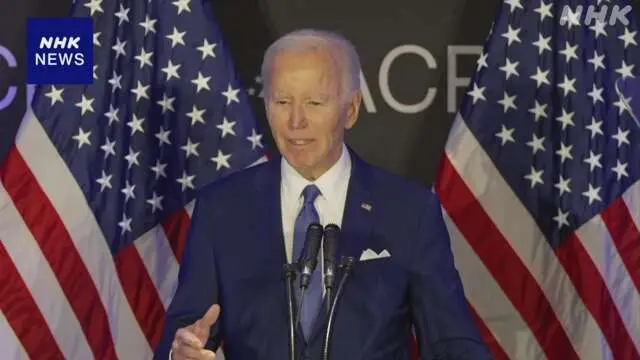
アメリカの前の大統領のバイデンさんが15日、シカゴであった会議で話をしました2。
大統領を辞めてから、みんなの前で話をするのは初めてです3。
バイデンさんは、トランプさんの政治をよくないと強く言いました4。政府で働く人をたくさん辞めさせたと言いました5。そして「トランプさんは、短い間に、たくさんのものを壊した」などと批判しました6。
バイデンさんは、今のアメリカについて「国の中でこんなに考え方が分かれたことはなかった7。みんなが力を合わせよう」と言いました8。
Discussion
to rate or comment.
No comments yet.