Passive forms describing food being thrown away and goods being sold, as ongoing situations.
古い建物が壊されている。
The old building is being demolished.
この本は多くの国で読まれている。
This book is read in many countries.
~のに
N4
even though / despite ~
Expresses contrast or unexpected result. Iran says they were attacked even though they are not at war.
勉強したのに、試験に落ちた。
Even though I studied, I failed the test.
雨なのに出かけた。
Even though it was raining, I went out.
~と呼ばれる
N3
is called ~
Passive form of 呼ぶ (to call); used to state what someone/something is called.
日本で富士山と呼ばれる山。
The mountain called Mt. Fuji in Japan.
彼は天才と呼ばれています。
He is called a genius.
~と言われている
N3
it is said that ~
Passive form expressing common knowledge or reputation. It is said that aquaculture of nodoguro is difficult.
難しいと言われています。
It is said to be difficult.
日本語は難しいと言われています。
It is said that Japanese is difficult.
~ため(に)
N3
because of ~ / for the sake of ~
ため after a noun or plain form indicates reason or purpose. Used twice: once for 'because of bear worries' and once for 'for the children's safety'.
熊の心配があるため
because there is worry about bears
子どもたちの安全のために
for the sake of the children's safety
~ことができる
N4
can do ..., to be able to ...
Verb dictionary form + ことができる expresses ability or possibility. More formal than the potential verb form. Common in written Japanese and announcements.
日本語を話すことができます。
I can speak Japanese.
ここで写真を撮ることができます。
You can take photos here.
インターネットで予約することができます。
You can make a reservation on the internet.
~ている
N5
is doing, has been doing (ongoing state/action)
Expresses a continuing action or resulting state. Formed with て-form + いる. Can describe an action in progress or a state resulting from a past change.
今、ご飯を食べています。
I am eating rice now.
東京に住んでいます。
I live in Tokyo.
ドアが開いています。
The door is open.
~も~大切だ
N4
~ too is important
Stresses that ingenuity in the home is also important.
努力も大切だ。
Effort is also important.
休むことも大切だ。
Resting too is important.
~と話している
N4
is saying that ..., is talking about ...
Quotation と + 話している. Used to report what someone is saying in speech. Similar to と言っている but slightly more formal.
社長は新しい計画について話しています。
The president is talking about the new plan.
彼女は将来の夢について話していました。
She was talking about her future dreams.
~ば
N4
conditional: if ~
Ba-form conditional expressing 'if ~ then ~'.
勉強すれば、合格できる。
If you study, you can pass.
早く起きれば間に合う。
If you wake up early, you'll make it.
~ことを防ぐ
N3
to prevent (doing)
States that checking prevents the act of buying too much of the same thing.
病気になることを防ぐ。
To prevent becoming sick.
事故が起きることを防ぐ。
To prevent accidents from happening.
~と期待されている
N2
is expected that ~
In 「進むと期待されています」 it states the general expectation that space research will advance.
研究が進むと期待されています。
Research is expected to advance.
成功すると期待されている。
It is expected to succeed.
1
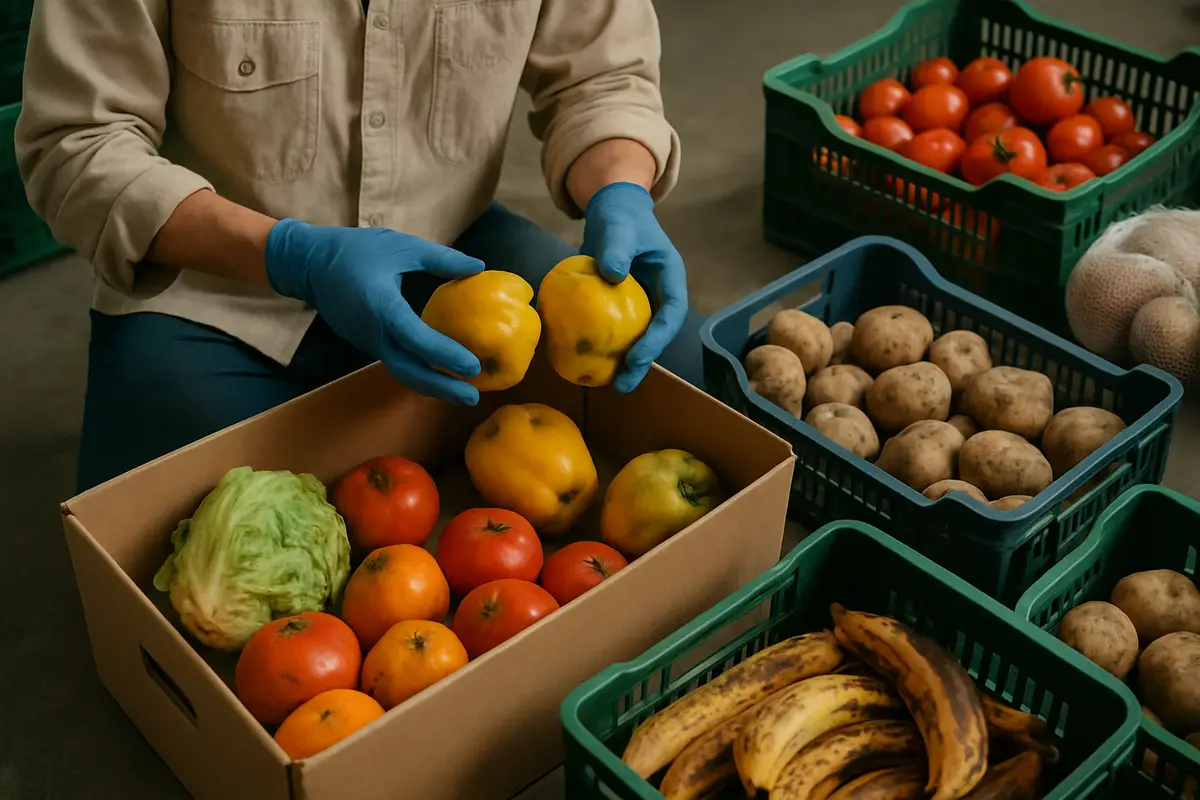
食品ロスを減らす取り組みが広がる
Efforts to reduce food loss are spreading
2
日本では毎年、たくさんの食べ物が捨てられています。
In Japan, a large amount of food is thrown away every year.
Discussion
to rate or comment.
No comments yet.