最近、運転免許を自分から返す高齢者が増えています2。年を取ると、目や判断力が弱くなり、事故を起こす危険が高くなるからです3。
ある県では、免許を返した人にバスやタクシーの割引券を渡しています4。買い物や病院へ行くとき、車がなくても困らないようにするためです5。
専門家は「免許を返すかどうかは、家族とよく話し合うことが大切だ」と話しています6。地方では車が必要な場合も多く、返納が進まない問題も残っています7。
(うんてんめんきょ)
driver's license
(かえす)
to return (something); to give back
(こうれいしゃ)
elderly person
(ふえる)
to increase; to grow
(さいきん)
recently
(じぶん)
oneself
(としをとる)
to grow old; to age
(め)
eye
(はんだんりょく)
judgment; decision-making ability
(よわい)
Weak
(じこ)
accident; incident
(おこす)
To cause; to bring about
(きけん)
danger; risk
(たかい)
expensive; high
(けん)
prefecture
(めんきょ)
license
(ばす)
bus
(たくしー)
taxi
(わりびきけん)
discount ticket; coupon
(わたす)
to hand over, to give
(かいもの)
shopping
(びょういん)
hospital
(いく)
to go
(くるま)
car
(こまる)
to be troubled; to be in difficulty
(せんもんか)
expert, specialist
(かぞく)
family
(よく)
often, well, frequently
(はなしあう)
to discuss
(はなす)
to speak, talk
(ちほう)
region; area
(ひつよう)
necessary / needed
(ばあい)
case; situation
(おおい)
many
(へんのう)
returning; surrendering (e.g. a license)
(すすむ)
to advance, to progress
(もんだい)
problem
(のこる)
to remain / to stay behind
is doing, has been doing (ongoing state/action)
Expresses a continuing action or resulting state. Formed with て-form + いる. Can describe an action in progress or a state resulting from a past change.
今、ご飯を食べています。
I am eating rice now.
東京に住んでいます。
I live in Tokyo.
ドアが開いています。
The door is open.
if / when (natural consequence)
Conditional と indicating a natural or expected result. 一緒に捨てると…火が出て means 'if you throw them away together, fire starts.'
ボタンを押すと、ドアが開きます。
When you press the button, the door opens.
春になると、桜が咲きます。
When spring comes, cherry blossoms bloom.
to become (い-adjective)
Expresses a change of state for い-adjectives. Drop the final い and add くなる. Indicates something has changed or will change to a new state.
寒くなりました。
It has gotten cold.
日本語が上手になりました。
My Japanese has gotten better.
値段が高くなりました。
The price became expensive.
it is because ~
Gives a reason at the end of a sentence. Used here to explain why gasoline prices dropped (government subsidies).
疲れた。たくさん歩いたからです。
I'm tired. It's because I walked a lot.
寒いからです。
It's because it's cold.
even if; even though
Used to express concession or hypothetical situation.
雨が降っても行きます。
I'll go even if it rains.
高くても買います。
Even if it's expensive, I'll buy it.
to make sure that, to ensure that
Expresses the goal of bringing about a certain state or preventing something. Formed with verb plain form + ようにする. Often used to describe efforts to ensure or prevent something.
毎日野菜を食べるようにしています。
I make sure to eat vegetables every day.
遅刻しないようにしてください。
Please make sure not to be late.
忘れないようにメモを書きました。
I wrote a note so I wouldn't forget.
whether or not
Used with embedded questions to express uncertainty about whether something is true. Here it introduces what the research lab is trying to determine about the bear.
行くかどうか分からない。
I don't know whether I'll go or not.
本当かどうか確認する。
I'll check whether it's true or not.
it is important that ~
Used to express importance of an action. Here cooperation between Japan and China is described as important.
毎日運動することが大切です。
It's important to exercise daily.
相手を理解することが大切だ。
It's important to understand the other person.
運転免許を返す高齢者が増えている
More elderly people are returning their driver's licenses
最近、運転免許を自分から返す高齢者が増えています。
Recently, the number of elderly people who voluntarily return their driver's licenses is increasing.
年を取ると、目や判断力が弱くなり、事故を起こす危険が高くなるからです。
This is because, as people age, their eyesight and judgment weaken, and the risk of causing an accident rises.
ある県では、免許を返した人にバスやタクシーの割引券を渡しています。
In a certain prefecture, people who return their license are given discount tickets for buses and taxis.
買い物や病院へ行くとき、車がなくても困らないようにするためです。
This is so that they won't be inconvenienced even without a car when going shopping or to the hospital.
専門家は「免許を返すかどうかは、家族とよく話し合うことが大切だ」と話しています。
Experts say, "Whether or not to return your license is something it is important to discuss thoroughly with your family."
地方では車が必要な場合も多く、返納が進まない問題も残っています。
In rural areas a car is often necessary, so the problem that license surrender is not progressing also remains.
2026年06月29日 19:10
著者: jpreader
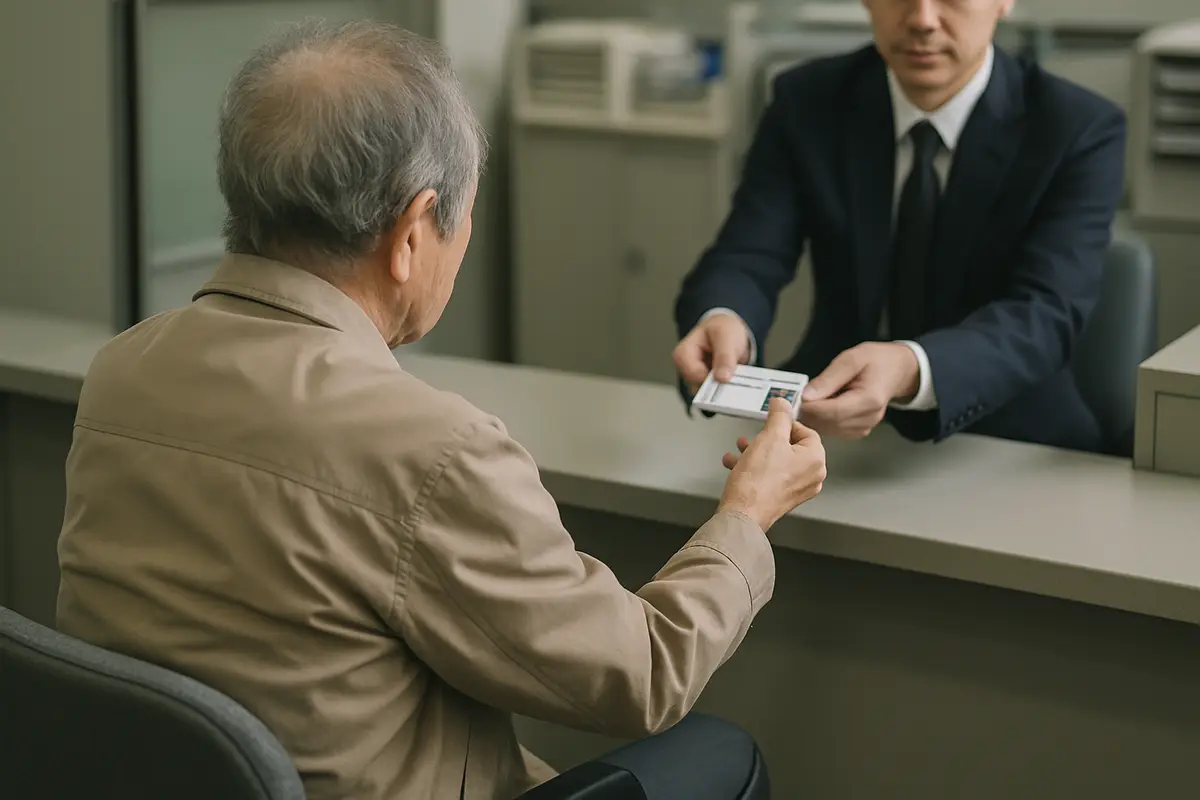
この画像はAIで生成され、学習目的で使用されています。
This image is AI-generated and used for educational purposes.
最近、運転免許を自分から返す高齢者が増えています2。年を取ると、目や判断力が弱くなり、事故を起こす危険が高くなるからです3。
ある県では、免許を返した人にバスやタクシーの割引券を渡しています4。買い物や病院へ行くとき、車がなくても困らないようにするためです5。
専門家は「免許を返すかどうかは、家族とよく話し合うことが大切だ」と話しています6。地方では車が必要な場合も多く、返納が進まない問題も残っています7。
Discussion
to rate or comment.
No comments yet.