北海道の新ひだか町は、競馬に出る馬をたくさん育てていることで有名な町です2。
21日、この町で1歳の馬のセリが開かれ、およそ300頭が集まりました3。セリとは、買いたい人の中でいちばん高い値段をつけた人が買うことができる仕組みです4。
馬を買いに来た人たちは、まず馬の体や歩き方をよく観察しました5。それから、値段を伝えて、いちばん高い値段をつけた人が馬を買いました6。
セリを開いた人は「これからも毎年、いい馬を育てて出していきたい」と話していました7。
(ほっかいどう)
Hokkaido
(まち)
town
(さい)
years old
(うま)
horse
(セリ)
auction
(ひらく)
to open, to hold (event)
(しんひだかちょう)
Shinhidaka (town in Hokkaido)
(けいば)
horse racing
(でる)
to come out; to occur
(たくさん)
a lot / many
(そだてる)
to raise, to bring up, to grow
(ゆうめい)
famous
(およそ)
approximately, roughly
(とう)
counter for large animals
(あつまる)
to gather; to come together
(かう)
to buy
(ひと)
person / people
(なか)
inside
(いちばん)
most; number one
(たかい)
expensive; high
(ねだん)
price
(つける)
to attach / put on
(しくみ)
structure, system, mechanism
(まず)
first of all
(からだ)
body
(あるく)
to walk
(よく)
often, well, frequently
(かんさつ)
observation
(それから)
after that, and then
(つたえる)
to convey / to tell
(これから)
from now on
(まいとし)
every year
(いい)
good
(はなす)
to speak, talk
passive voice: was/were ~ed
Passive form indicating that the subject receives the action. '食べられて' means 'were eaten'. Central grammar of this article about tulips being eaten by deer.
ケーキが弟に食べられた。
The cake was eaten by my little brother.
is doing, has been doing (ongoing state/action)
Expresses a continuing action or resulting state. Formed with て-form + いる. Can describe an action in progress or a state resulting from a past change.
今、ご飯を食べています。
I am eating rice now.
東京に住んでいます。
I live in Tokyo.
ドアが開いています。
The door is open.
By doing; through the act of
Indicates that the preceding action serves as a means or cause for what follows. 'アメリカとウクライナが一緒に開発することで' means 'by developing together'.
運動することで、健康になります。
By exercising, you become healthy.
the term ~ means (definition)
~とは introduces a definition or explanation of a term. 宇宙ごみとは means 'what is called space debris is...'.
宇宙ごみとは、古い衛星のことだ。
Space debris refers to old satellites.
和紙とは、日本の伝統的な紙のことだ。
Washi means traditional Japanese paper.
want to ~
Verb stem + たい to express desire.
日本に行きたい。
I want to go to Japan.
水を飲みたいです。
I want to drink water.
can do ..., to be able to ...
Verb dictionary form + ことができる expresses ability or possibility. More formal than the potential verb form. Common in written Japanese and announcements.
日本語を話すことができます。
I can speak Japanese.
ここで写真を撮ることができます。
You can take photos here.
インターネットで予約することができます。
You can make a reservation on the internet.
to come in order to do
Verb stem + に + 来る expresses purpose of coming. 買いに来た means people 'came to buy' horses.
友だちが遊びに来ました。
My friend came over to hang out.
本を借りに図書館へ行きます。
I go to the library to borrow books.
way of doing
Verb stem + 方 expresses the way or manner of doing something. 歩き方 means 'way of walking', one of the things buyers inspected.
この漢字の読み方を教えてください。
Please tell me how to read this kanji.
彼の話し方はやさしいです。
His way of speaking is gentle.
te-form for connecting clauses
The te-form connects sequential actions or clauses. Here it links 'started' with the following action.
朝起きて、朝ごはんを食べます。
I wake up in the morning and eat breakfast.
店に行って、パンを買いました。
I went to the store and bought bread.
to go on doing / continue to (from now)
In '増えていく' – 'will continue to increase (into the future)'. Indicates continuing trend going forward.
これから寒くなっていく。
From now on, it will become colder.
日本語を勉強していきたい。
I want to continue studying Japanese.
quotative particle
Marks the content of what someone said or reported. Used with 言う here.
彼は行くと言いました。
He said he would go.
明日休みだと聞きました。
I heard tomorrow is a holiday.
北海道の町で1歳の馬のセリが開かれた
An Auction of One-Year-Old Horses Was Held in a Hokkaido Town
北海道の新ひだか町は、競馬に出る馬をたくさん育てていることで有名な町です。
The town of Shinhidaka in Hokkaido is famous for raising many horses that compete in horse racing.
21日、この町で1歳の馬のセリが開かれ、およそ300頭が集まりました。
On the 21st, an auction of one-year-old horses was held in this town, and roughly 300 horses were gathered.
セリとは、買いたい人の中でいちばん高い値段をつけた人が買うことができる仕組みです。
An auction is a system in which, among the people who want to buy, the person who offers the highest price is able to buy.
馬を買いに来た人たちは、まず馬の体や歩き方をよく観察しました。
The people who came to buy horses first carefully observed the horses' bodies and the way they walk.
それから、値段を伝えて、いちばん高い値段をつけた人が馬を買いました。
Then they announced their prices, and the person who offered the highest price bought the horse.
セリを開いた人は「これからも毎年、いい馬を育てて出していきたい」と話していました。
The auction organizer said, "We want to keep raising and sending out good horses every year."
2026年07月23日 06:57
著者: jpreader
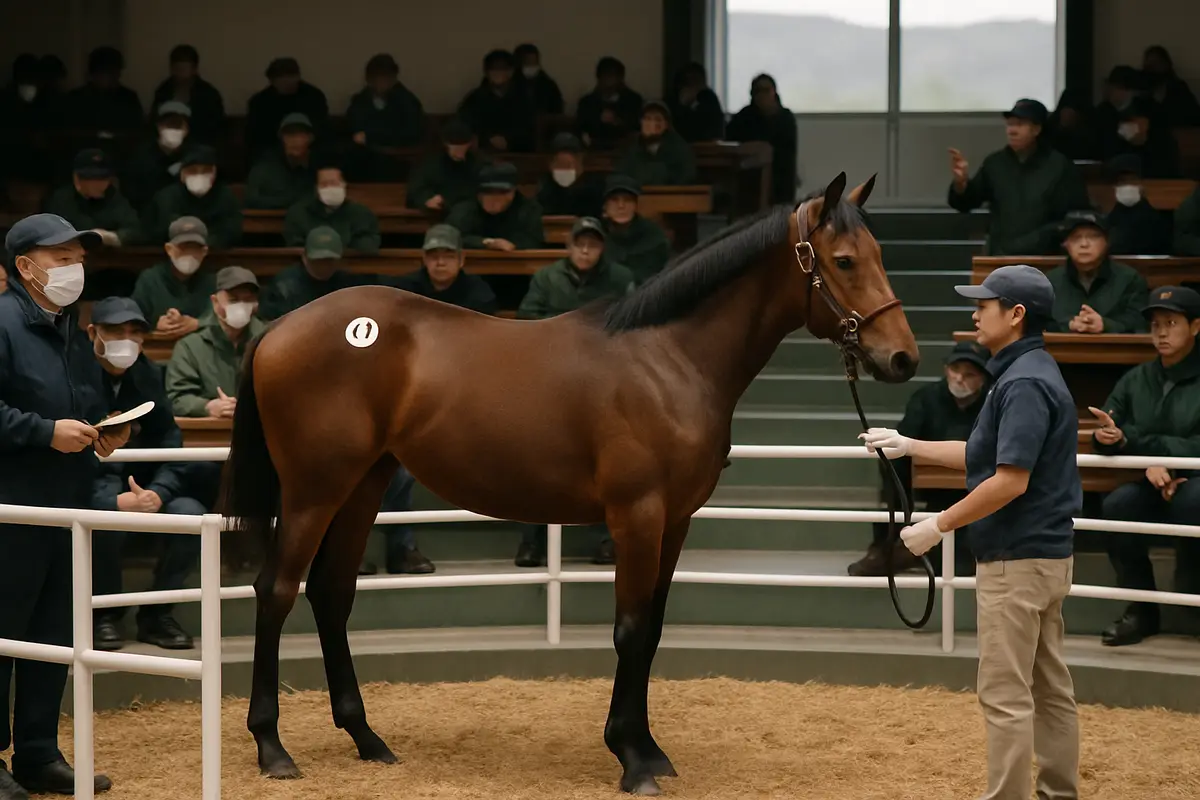
この画像はAIで生成され、学習目的で使用されています。
This image is AI-generated and used for educational purposes.
北海道の新ひだか町は、競馬に出る馬をたくさん育てていることで有名な町です2。
21日、この町で1歳の馬のセリが開かれ、およそ300頭が集まりました3。セリとは、買いたい人の中でいちばん高い値段をつけた人が買うことができる仕組みです4。
馬を買いに来た人たちは、まず馬の体や歩き方をよく観察しました5。それから、値段を伝えて、いちばん高い値段をつけた人が馬を買いました6。
セリを開いた人は「これからも毎年、いい馬を育てて出していきたい」と話していました7。
Discussion
to rate or comment.
No comments yet.