Indicates a change where something ceases to exist or can no longer be done. Here it describes that prayer gatherings can no longer be held in Hong Kong.
お金がなくなった。
The money is gone.
痛みがなくなりました。
The pain went away.
~から
N5
because ~
Provides a reason or cause.
疲れたから休む。
I'll rest because I'm tired.
寒いから帰る。
I'm going home because it's cold.
~など
N5
such as / etc.
Used to give examples from a larger group.
りんごやバナナなどを買いました。
I bought apples, bananas, etc.
長野県や北海道など
Nagano, Hokkaido, etc.
~ている
N5
is doing, has been doing (ongoing state/action)
Expresses a continuing action or resulting state. Formed with て-form + いる. Can describe an action in progress or a state resulting from a past change.
今、ご飯を食べています。
I am eating rice now.
東京に住んでいます。
I live in Tokyo.
ドアが開いています。
The door is open.
~が(逆接)
N4
but / however (contrast)
Conjunctive particle used to connect two clauses with contrasting or unexpected information.
行きたいですが、時間がありません。
I want to go, but I don't have time.
~(ら)れる(受身)
N4
passive form
Passive voice. 愛される means 'to be loved', describing the kind of store the worker aspires to create.
みんなに愛される人になりたい。
I want to be a person loved by everyone.
先生に褒められました。
I was praised by my teacher.
~と呼ばれている
N3
is called / referred to as
Used in 南海トラフと呼ばれている to introduce and name the geological trough where the simulated earthquake occurred.
富士山と呼ばれている山。
The mountain called Mt. Fuji.
彼は天才と呼ばれている。
He is called a genius.
~によると
N3
according to ...
Cites a source of information. The noun before によると is the source. Often followed by a reported statement.
天気予報によると、明日は雨です。
According to the weather forecast, it will rain tomorrow.
ニュースによると、地震がありました。
According to the news, there was an earthquake.
先生によると、テストは来週です。
According to the teacher, the test is next week.
~と言われている
N3
it is said that ~
Passive form expressing common knowledge or reputation. It is said that aquaculture of nodoguro is difficult.
難しいと言われています。
It is said to be difficult.
日本語は難しいと言われています。
It is said that Japanese is difficult.
~にすぎない
N2
is nothing more than, is only
Emphasises that an amount is smaller or less significant than expected. Here only a fraction of the appliances is actually collected.
それはうわさにすぎません。
That is nothing more than a rumor.
参加者は十人にすぎなかった。
There were only ten participants.
~ようになる
N4
come to / reach the point where
Indicates a change in state or ability.
運転できるようになった。
Trains became able to run.
日本語が話せるようになりました。
I became able to speak Japanese.
~ごとに
N3
each, by every ~
Indicates that something is done for every unit of the noun. Here the recovered material is separated metal by metal.
クラスごとに写真を撮ります。
We take a photo for each class.
三日ごとに薬を飲みます。
I take the medicine every three days.
~ずつ
N4
each / per
Indicates equal distribution. Here 2回ずつ (two times each).
一人ずつ話してください。
Please speak one at a time.
3個ずつもらった。
I got 3 each.
~ても
N4
even if; even though
Used to express concession or hypothetical situation.
雨が降っても行きます。
I'll go even if it rains.
高くても買います。
Even if it's expensive, I'll buy it.
~ば
N4
conditional: if ~
Ba-form conditional expressing 'if ~ then ~'.
勉強すれば、合格できる。
If you study, you can pass.
早く起きれば間に合う。
If you wake up early, you'll make it.
~ない
N5
negative form: does not ~, will not ~
The plain negative 出ない in the headline and the polite negative 出ません in the article both say that Ohtani will not appear in the game.
オールスターゲームに出ない。
He will not play in the All-Star Game.
今年は出ません。
He will not take part this year.
~ずに
N3
without doing ~
Used in 悩まずに ('without worrying alone') to encourage people to seek consultation.
朝ごはんを食べずに出かけた。
I went out without eating breakfast.
何も言わずに帰った。
He left without saying anything.
~てほしい
N4
want (someone) to do ...
Expresses a wish for someone else to do something. Formed with て-form + ほしい. The person you want to act is marked with に.
静かにしてほしい。
I want you to be quiet.
もう少し待ってほしいです。
I'd like you to wait a bit more.
先生に説明してほしいです。
I want the teacher to explain.
1
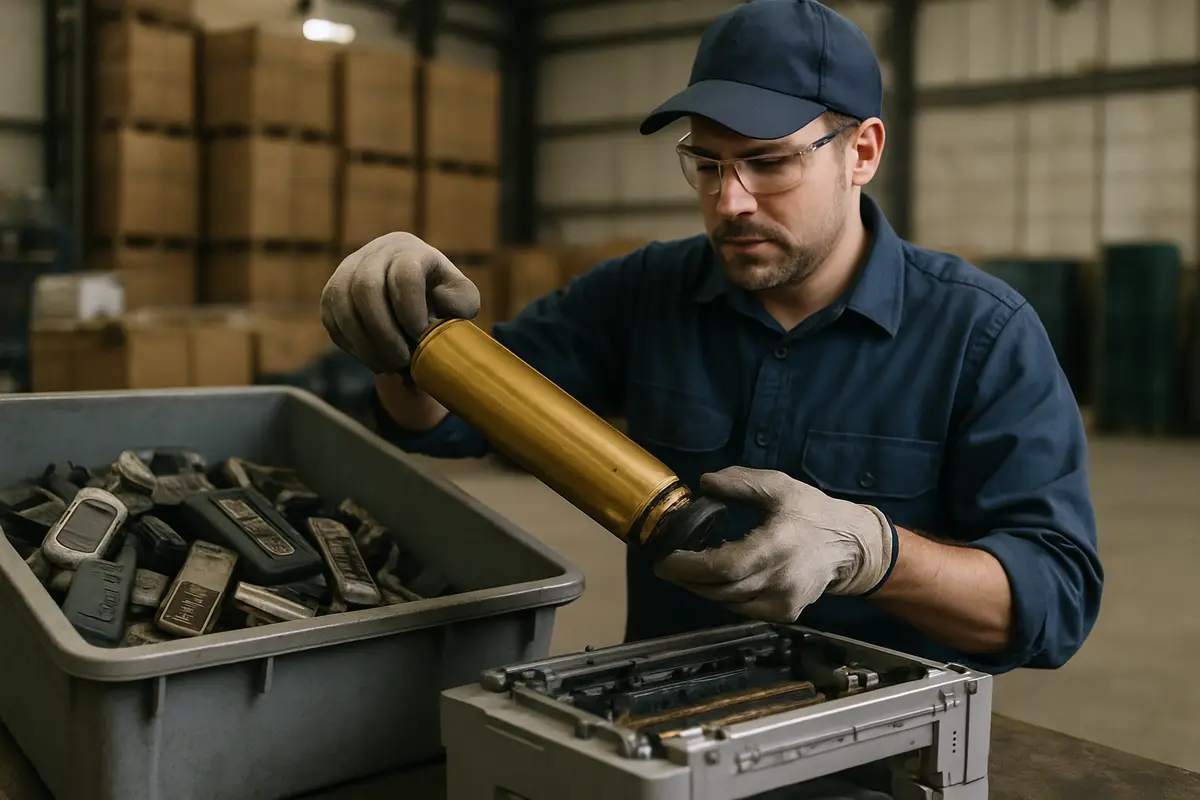
小型家電から金属を取り出す取り組み
Efforts to extract metals from small home appliances
Efforts to extract metals such as gold and copper from mobile phones and computers that are no longer used are spreading among local governments nationwide.
3
こうした小型家電には、わずかですが貴重な金属が含まれていて、「都市鉱山」と呼ばれています。
These small appliances contain small but precious amounts of metal, and are called an 'urban mine'.
4
環境省によると、日本で1年間に捨てられる小型家電は約65万トンあります。
According to the Ministry of the Environment, about 650,000 tons of small home appliances are thrown away in Japan each year.
5
その中に含まれる金属の価値は、数百億円になると言われています。
The value of the metals contained in them is said to amount to several tens of billions of yen.
6
しかし、実際に回収されているのは、その一部にすぎません。
However, only a fraction of them is actually collected.
7
各地の市役所や駅には、回収ボックスが置かれるようになりました。
Collection boxes have come to be placed at city halls and stations around the country.
8
集められた機器は工場で分解され、金属ごとに分けられます。
The collected devices are taken apart at factories and sorted by metal.
9
担当者は「一台ずつは小さくても、集まれば大きな資源になります。
A person in charge said, 'Even though each single unit is small, gathered together they become a large resource.'
10
使わない機器は捨てずに出してほしいです」と話しています。
'We want people to hand in devices they no longer use instead of throwing them away,' he says.
小型家電から金属を取り出す取り組み1
2026年08月05日 19:19
著者: jpreader
この画像はAIで生成され、学習目的で使用されています。
This image is AI-generated and used for educational purposes.
Efforts to extract metals from small home appliances
2
Efforts to extract metals such as gold and copper from mobile phones and computers that are no longer used are spreading among local governments nationwide.
3
These small appliances contain small but precious amounts of metal, and are called an 'urban mine'.
4
According to the Ministry of the Environment, about 650,000 tons of small home appliances are thrown away in Japan each year.
5
The value of the metals contained in them is said to amount to several tens of billions of yen.
6
However, only a fraction of them is actually collected.
7
Collection boxes have come to be placed at city halls and stations around the country.
8
The collected devices are taken apart at factories and sorted by metal.
9
A person in charge said, 'Even though each single unit is small, gathered together they become a large resource.'
10
'We want people to hand in devices they no longer use instead of throwing them away,' he says.
Discussion
to rate or comment.
No comments yet.