熊本県では、暑い日が続いています2。8月8日の最高気温は35度を超えました3。この暑さは来週も続きそうです4。夜も気温があまり下がりません5。
熱中症になる人が増えています6。外に出るときは、水をよく飲んでください7。帽子も使ったほうがいいです8。昼間は、できるだけ涼しい部屋で休んでください9。
熊本県では、強い風も吹く予報です10。風で物が飛ぶかもしれません11。外に置いてある物は、家の中に入れてください12。気象庁は、天気の情報に気をつけるように言っています13。
(くまもと)
Kumamoto (prefecture)
(あつさ)
heat
(つづく)
to continue
(つよい)
strong
(かぜ)
wind
(ちゅうい)
caution, warning
(くまもとけん)
Kumamoto Prefecture
(あつい)
hot
(ひ)
day
(つき)
month
(さいこうきおん)
the highest temperature of the day
(ど)
degree
(こえる)
to exceed
(らいしゅう)
next week
(よる)
night
(きおん)
temperature (air)
(あまり)
not very / not much (with negative)
(さがる)
To fall; to go down
(ねっちゅうしょう)
heatstroke
(ひと)
person / people
(ふえる)
to increase; to grow
(そと)
outside
(でる)
to come out; to occur
(みず)
water
(よく)
often, well, frequently
(のむ)
to drink
(ぼうし)
hat
(つかう)
to use
(ひるま)
daytime
(できるだけ)
as much as possible
(すずしい)
cool, refreshing
(へや)
room
(やすむ)
to rest; to take a break
(ふく)
to blow (wind)
(よほう)
forecast
(もの)
thing
(とぶ)
to fly
(おく)
to place, put
(いえ)
house
(なか)
inside
(いれる)
to put in
(きしょうちょう)
Japan Meteorological Agency
(てんき)
weather
(じょうほう)
information
(きをつける)
to be careful
(いう)
to say
is doing, has been doing (ongoing state/action)
Expresses a continuing action or resulting state. Formed with て-form + いる. Can describe an action in progress or a state resulting from a past change.
今、ご飯を食べています。
I am eating rice now.
東京に住んでいます。
I live in Tokyo.
ドアが開いています。
The door is open.
did ... (polite past)
Polite past tense of verbs. Formed with verb stem + ました. Used in formal or polite speech to describe completed actions.
昨日、映画を見ました。
I watched a movie yesterday.
朝ごはんを食べました。
I ate breakfast.
友達が来ました。
A friend came.
seems like / looks like ~
Verb stem + そう expresses appearance/likelihood.
雨が降りそうだ。
It looks like it will rain.
おいしそう。
Looks tasty.
does not ~ (polite negative)
ません is the polite negative form of verbs. It negates the action in a formal/polite context.
今日は学校に行きません。
I won't go to school today.
to become
Expresses a change of state; Kawai became the new commissioner of the Sports Agency.
新しい長官になりました。
He became the new commissioner.
目が見えなくなりました。
He became unable to see.
when ~
Indicates the time when something happened — when he was in junior high school.
中学生のとき病気になりました。
When I was a junior-high student I got sick.
子どものとき日本にいました。
I was in Japan when I was a child.
please do ...
Polite request form. Formed with て-form + ください. Used to ask someone to perform an action.
ここに名前を書いてください。
Please write your name here.
もう一度言ってください。
Please say it once more.
窓を開けてください。
Please open the window.
had better ~ / should ~
Used in 「仲よくしたほうがいい」to express the survey question about which country Taiwan should have good relations with.
早く寝たほうがいいですよ。
You should go to bed early.
薬を飲んだほうがいい。
You should take medicine.
polite copula / is, am, are
Describes states such as the mother panda being healthy and the baby being small.
これは本です。
This is a book.
今日は寒いです。
It is cold today.
might, maybe, possibly
Expresses possibility or uncertainty. Attached directly to the plain form of verbs, adjectives, or nouns. Less certain than でしょう.
明日は雨かもしれません。
It might rain tomorrow.
彼は来ないかもしれない。
He might not come.
この問題は難しいかもしれません。
This problem might be difficult.
has been done / is in a state (intentional)
Attached to the te-form of transitive verbs, indicates a state resulting from intentional action. 置いてある = '(bones) are kept placed / are enshrined'.
ドアに名前が書いてある。
A name is written on the door.
机の上に本が置いてある。
A book is placed on the desk.
so that ~
Indicates a goal or desired outcome. Here: so that trainees reach the Specified Skilled Worker level.
分かるように説明します。
I'll explain so you understand.
聞こえるように大きい声で話す。
Speak loudly so it can be heard.
熊本で暑さが続く 強い風にも注意
The heat continues in Kumamoto — take care with strong winds too
熊本県では、暑い日が続いています。
In Kumamoto Prefecture, hot days are continuing.
8月8日の最高気温は35度を超えました。
The highest temperature on August 8th went above 35 degrees.
この暑さは来週も続きそうです。
This heat looks like it will continue into next week as well.
夜も気温があまり下がりません。
Even at night the temperature does not drop very much.
熱中症になる人が増えています。
The number of people getting heatstroke is increasing.
外に出るときは、水をよく飲んでください。
When you go outside, please drink plenty of water.
帽子も使ったほうがいいです。
It is also better to wear a hat.
昼間は、できるだけ涼しい部屋で休んでください。
During the daytime, please rest in a cool room as much as you can.
熊本県では、強い風も吹く予報です。
In Kumamoto Prefecture, strong winds are also forecast to blow.
風で物が飛ぶかもしれません。
Objects may be blown away by the wind.
外に置いてある物は、家の中に入れてください。
Please bring things that have been left outside into the house.
気象庁は、天気の情報に気をつけるように言っています。
The Japan Meteorological Agency is telling people to pay attention to the weather information.
2026年08月08日 19:36
著者: jpreader
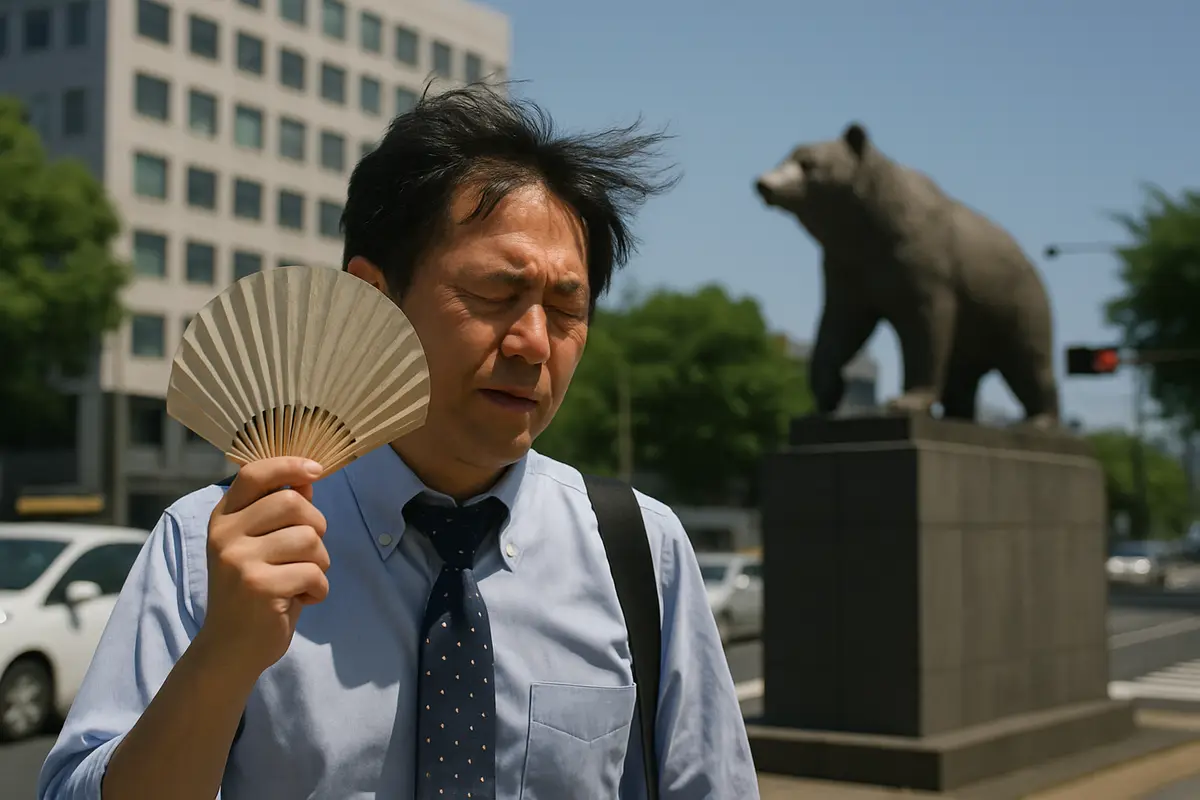
この画像はAIで生成され、学習目的で使用されています。
This image is AI-generated and used for educational purposes.
熊本県では、暑い日が続いています2。8月8日の最高気温は35度を超えました3。この暑さは来週も続きそうです4。夜も気温があまり下がりません5。
熱中症になる人が増えています6。外に出るときは、水をよく飲んでください7。帽子も使ったほうがいいです8。昼間は、できるだけ涼しい部屋で休んでください9。
熊本県では、強い風も吹く予報です10。風で物が飛ぶかもしれません11。外に置いてある物は、家の中に入れてください12。気象庁は、天気の情報に気をつけるように言っています13。
Discussion
to rate or comment.
No comments yet.