The plain negative 出ない in the headline and the polite negative 出ません in the article both say that Ohtani will not appear in the game.
オールスターゲームに出ない。
He will not play in the All-Star Game.
今年は出ません。
He will not take part this year.
~続ける
N4
to continue doing ...
Verb stem + 続ける expresses continuing an action. The て-form あげ続ける means 'continue giving'. A common compound verb pattern.
3時間、走り続けました。
I kept running for 3 hours.
毎日、勉強し続けています。
I keep studying every day.
彼は話し続けた。
He kept on talking.
~ている
N5
is doing, has been doing (ongoing state/action)
Expresses a continuing action or resulting state. Formed with て-form + いる. Can describe an action in progress or a state resulting from a past change.
今、ご飯を食べています。
I am eating rice now.
東京に住んでいます。
I live in Tokyo.
ドアが開いています。
The door is open.
~によると
N3
according to ...
Cites a source of information. The noun before によると is the source. Often followed by a reported statement.
天気予報によると、明日は雨です。
According to the weather forecast, it will rain tomorrow.
ニュースによると、地震がありました。
According to the news, there was an earthquake.
先生によると、テストは来週です。
According to the teacher, the test is next week.
~になる
N5
to become
Expresses a change of state; Kawai became the new commissioner of the Sports Agency.
新しい長官になりました。
He became the new commissioner.
目が見えなくなりました。
He became unable to see.
~という
N4
called/named ~
Used to introduce or name something. In this article, 「鳥貴族」という店 means 'a store called Torikizoku'.
田中という人を知っていますか。
Do you know a person called Tanaka?
これは寿司という料理です。
This is a dish called sushi.
~や
N5
and (non-exhaustive list)
や lists representative examples — Shikoku and Kyushu among other regions (四国や九州).
りんごやみかんを買った。
I bought apples and oranges (among others).
東京や大阪は大きい都市だ。
Tokyo and Osaka are big cities.
~うえに
N2
on top of that, in addition to ~
Connects two facts that pile up in the same direction, usually both bad. 紙の本を買う人が減ったうえに、…利益はもともと少ない stacks falling sales on top of already thin margins.
本を買う人が減ったうえに、利益ももともと少ない。
On top of fewer people buying books, the profits were small to begin with.
雨が降ったうえに、風も強くなった。
On top of the rain, the wind got stronger too.
~ず
N3
without ~ing
In 「分からず」 it means without understanding the meaning of signs, leading to accidents.
意味が分からず、事故になる。
Without understanding the meaning, an accident occurs.
何も言わず帰った。
Left without saying anything.
~を受けて
N2
in response to ~, following ~
Formal news phrasing meaning that what follows is a reaction to the situation just described. こうした状況を受けて introduces the government's support programme as a response to the closures.
こうした状況を受けて、国は取り組みを始めた。
In response to this situation, the government began an initiative.
事故を受けて、ルールが変わった。
Following the accident, the rules changed.
~たり~たりする
N4
doing things like ~ and ~
Lists representative actions among several. Implies there are other actions too. Used twice in this article.
週末は本を読んだり映画を見たりします。
On weekends I do things like read books and watch movies.
歌ったり踊ったりして楽しんだ。
We had fun singing and dancing.
~たい
N5
want to ~
Verb stem + たい to express desire.
日本に行きたい。
I want to go to Japan.
水を飲みたいです。
I want to drink water.
~と話している
N4
is saying that ..., is talking about ...
Quotation と + 話している. Used to report what someone is saying in speech. Similar to と言っている but slightly more formal.
社長は新しい計画について話しています。
The president is talking about the new plan.
彼女は将来の夢について話していました。
She was talking about her future dreams.
1
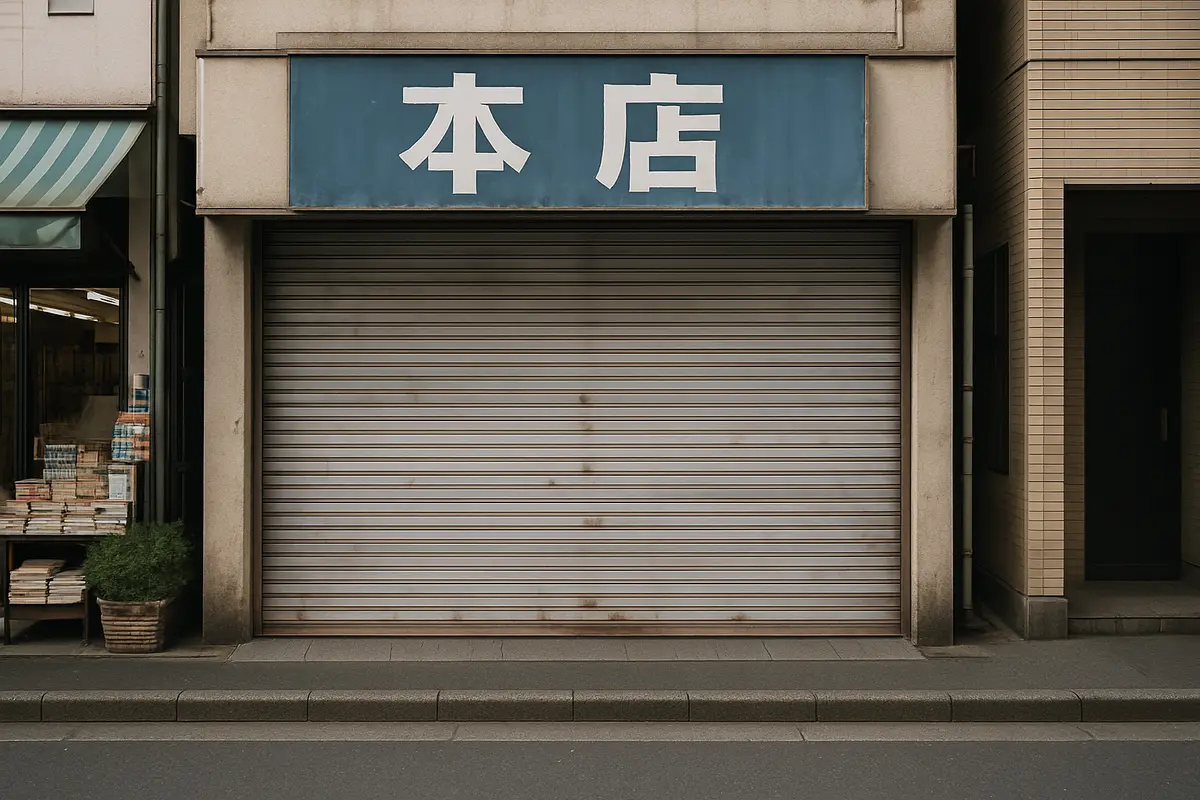
全国で書店が減少 本屋がない街が増える
Bookstores are declining nationwide — more and more towns have none
2
全国で書店の数が減り続けている。
The number of bookstores across the country keeps falling.
3
ある調査によると、この20年でおよそ半分になったという。
According to one survey, the total has roughly halved over the past twenty years.
4
書店が一軒もない市町村も増えていて、本を手に取って選ぶ機会が減っている。
Municipalities without a single bookstore are increasing too, and chances to pick up a book and choose it in person are shrinking.
5
背景には、インターネット通販や電子書籍の普及がある。
Behind this lies the spread of online shopping and e-books.
6
紙の本を買う人が減ったうえに、書店の利益はもともと少ない。
On top of fewer people buying paper books, bookstores' profits were slim to begin with.
7
後を継ぐ人が見つからず、店を閉めるところも目立つ。
With no successors to be found, shops shutting down also stand out.
8
こうした状況を受けて、国は書店を支援する取り組みを始めた。
In response to this situation, the government has launched efforts to support bookstores.
9
図書館と協力してイベントを開いたり、カフェを併設したりする店もある。
Some stores hold events in cooperation with libraries, or run an attached cafe.
10
ある店主は「本と出会う場所を残したい」と話している。
One shop owner says, "I want to preserve places where people meet books."
全国で書店が減少本屋がない街が増える1
2026年08月09日 19:30
著者: jpreader
この画像はAIで生成され、学習目的で使用されています。
This image is AI-generated and used for educational purposes.
Discussion
to rate or comment.
No comments yet.