買い物かいもの
N5

(かいもの)

shopping

カードかーど
N5

(かーど)

card

スマホすまほ
N3

(すまほ)

smartphone

使うつかう
N5

(つかう)

to use

ひと
N5

(ひと)

person / people

増えるふえる
N3

(ふえる)

to increase; to grow

日本にほん
N5

(にほん)

Japan

現金げんきん
N3

(げんきん)

cash

スマートフォンすまーとふぉん
N3

(すまーとふぉん)

smartphone

払うはらう
N3

(はらう)

to pay

方法ほうほう
N3

(ほうほう)

method; way

キャッシュレスきゃっしゅれす
N1

(きゃっしゅれす)

cashless

呼ぶよぶ
N4

(よぶ)

to call

政府せいふ
N3

(せいふ)

government; administration

調べしらべ
N3

(しらべ)

investigation; survey

去年きょねん
N5

(きょねん)

last year

支払いしはらい
N2

(しはらい)

payment

四割よんわり
N3

(よんわり)

forty percent

以上いじょう
N3

(いじょう)

more than; beyond this

みせ
N5

(みせ)

shop, store

お金おかね
N5

(おかね)

money

数えるかぞえる
N4

(かぞえる)

to count

時間じかん
N5

(じかん)

time

短いみじかい
N5

(みじかい)

short

良いよい
N5

(よい)

good

てん
N4

(てん)

point, score

きゃく
N4

(きゃく)

Customer; guest

財布さいふ
N3

(さいふ)

wallet, purse

出すだす
N5

(だす)

to serve, put out

便利べんり
N4

(べんり)

convenient

記録きろく
N3

(きろく)

record

残るのこる
N3

(のこる)

to remain / to stay behind

分かるわかる
N5

(わかる)

to understand, be clear

一方いっぽう
N3

(いっぽう)

on the other hand / meanwhile

機械きかい
N3

(きかい)

machine

使い方つかいかた
N4

(つかいかた)

how to use; usage

難しいむずかしい
N5

(むずかしい)

difficult

感じるかんじる
N3

(かんじる)

to feel, to sense

停電ていでん
N2

(ていでん)

power outage / blackout

心配しんぱい
N4

(しんぱい)

worry / concern

一緒いっしょ
N5

(いっしょ)

Together; at the same time

持つもつ
N5

(もつ)

to have; to hold

言ういう
N5

(いう)

to say

~ている
N5

is doing, has been doing (ongoing state/action)

Expresses a continuing action or resulting state. Formed with て-form + いる. Can describe an action in progress or a state resulting from a past change.

今、ご飯を食べています。

I am eating rice now.

東京に住んでいます。

I live in Tokyo.

ドアが開いています。

The door is open.

~によると
N3

according to ...

Cites a source of information. The noun before によると is the source. Often followed by a reported statement.

天気予報によると、明日は雨です。

According to the weather forecast, it will rain tomorrow.

ニュースによると、地震がありました。

According to the news, there was an earthquake.

先生によると、テストは来週です。

According to the teacher, the test is next week.

~にとって
N3

for ~ / from the perspective of ~

Indicates a point of view or perspective. Used twice here for 'the company' and 'the Vietnamese people'.

私にとって家族は大切です。

Family is important to me.

子供にとって勉強は難しい。

Study is difficult for children.

~という
N4

called/named ~

Used to introduce or name something. In this article, 「鳥貴族」という店 means 'a store called Torikizoku'.

田中という人を知っていますか。

Do you know a person called Tanaka?

これは寿司という料理です。

This is a dish called sushi.

~なくてもいい
N4

it's okay not to ~; don't have to ~

Expresses that there is no obligation or necessity to do something.

何もしなくてもいいです。

You don't have to do anything.

~ため
N3

because of, due to

Indicates a reason or cause. More formal than から or ので. Can follow nouns (の + ため) or plain-form verbs/adjectives.

病気のため、学校を休みました。

I was absent from school because of illness.

雨が降ったため、試合は中止です。

The game was cancelled because it rained.

勉強するため、図書館に行きます。

I go to the library in order to study.

~やすい
N4

easy to ~ / tends to ~

Used in 'うつりやすくて' meaning 'easily contagious / easy to catch'.

この本は読みやすい。

This book is easy to read.

忘れやすい。

Easy to forget.

~たほうがいい
N5

had better ~ / should ~

Used in 「仲よくしたほうがいい」to express the survey question about which country Taiwan should have good relations with.

早く寝たほうがいいですよ。

You should go to bed early.

薬を飲んだほうがいい。

You should take medicine.

1

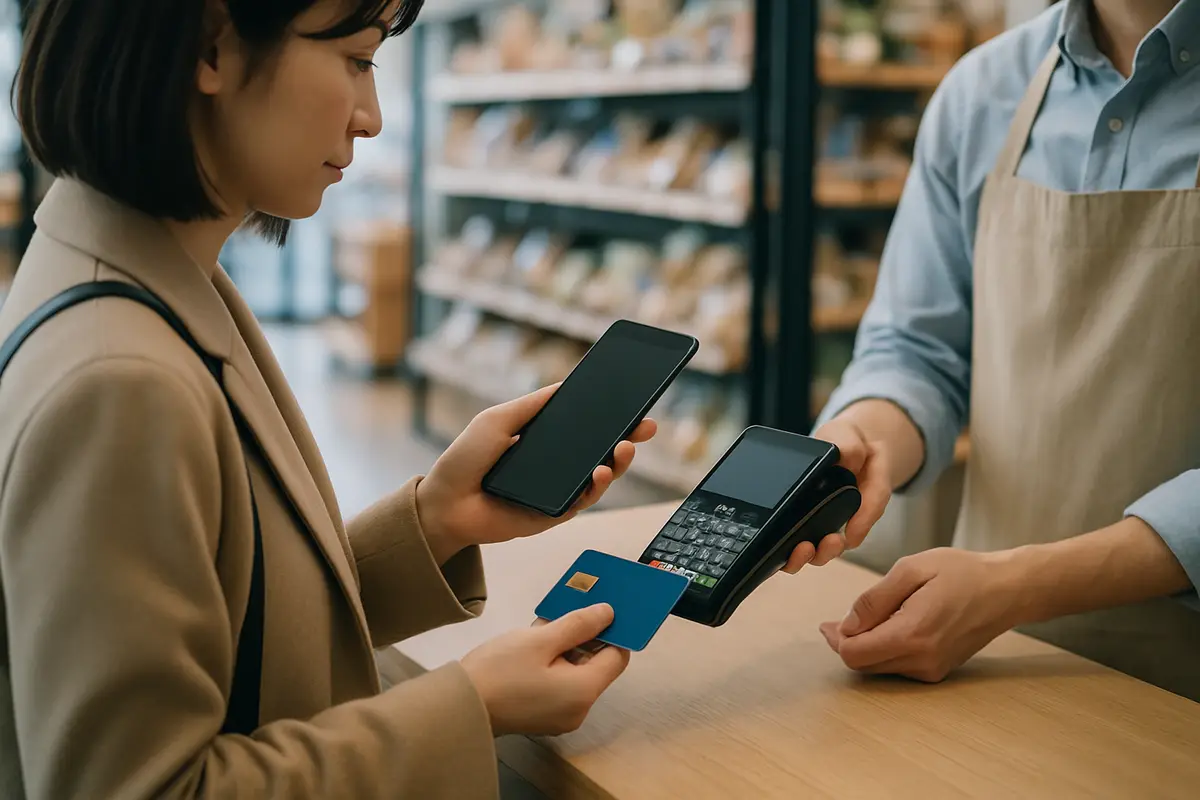
買い物でカードやスマホを使う人が増える

More people are using cards and smartphones to shop

2

日本では、買い物のときに現金を使わない人が増えている。

In Japan, the number of people who do not use cash when shopping is increasing.

3

カードやスマートフォンで払う方法は「キャッシュレス」と呼ばれている。

Paying by card or smartphone is called cashless payment.

4

政府の調べによると、去年の支払いの四割以上がキャッシュレスだった。

According to a government survey, more than forty percent of last year's payments were cashless.

5

店にとっては、お金を数える時間が短くなるという良い点がある。

For shops, there is the advantage that the time spent counting money becomes shorter.

6

客も、財布を出さなくてもいいので便利だ。

It is convenient for customers too, because they do not have to take out their wallet.

7

買った物の記録が残るため、いくら使ったか分かりやすい。

Because a record of what was bought remains, it is easy to see how much was spent.

8

一方で、機械の使い方が難しいと感じる人もいる。

On the other hand, some people find the machines difficult to use.

9

停電のときに使えなくなる心配もある。

There is also the worry that it becomes unusable during a power outage.

10

そのため、現金も一緒に持っておいたほうがいいと言われている。

For that reason, it is said to be better to carry cash as well.

ものカードスマホ使つかひとえる1

2026年08月11日 19:12

著者: jpreader

買い物でカードやスマホを使う人が増える

この画像はAIで生成され、学習目的で使用されています。

This image is AI-generated and used for educational purposes.

日本にほんでは、もののときに現金げんきん使つかわないひとている2カードスマートフォンはら方法ほうほうは「キャッシュレス」とばれている3政府せいふ調しらによると去年きょねん支払しはら四割よんわり以上いじょうキャッシュレスだった4

みせにとっては、おかねかぞえる時間じかんみじかくなるというてんがある5きゃくも、財布さいふなくてもいいので便利べんり6ったもの記録きろくのこため、いくら使つかったかかりやすい7

一方いっぽうで、機械きかい使つかかたむずかしいかんじるひともいる8停電ていでんのときに使つかえなくなる心配しんぱいもある9。そのため現金げんきん一緒いっしょっておいたほうがいいわれている10

Discussion

00

to rate or comment.

No comments yet.