免許めんきょ
N3

(めんきょ)

license

返すかえす
N4

(かえす)

to return (something); to give back

高齢者こうれいしゃ
N1

(こうれいしゃ)

elderly person

増えるふえる
N3

(ふえる)

to increase; to grow

とし
N5

(とし)

year

取るとる
N5

(とる)

to take

くるま
N5

(くるま)

car

運転うんてん
N4

(うんてん)

operation, driving

やめるやめる
N5

(やめる)

to stop; to quit

ひと
N5

(ひと)

person / people

心配しんぱい
N4

(しんぱい)

worry / concern

自分じぶん
N4

(じぶん)

oneself

警察けいさつ
N3

(けいさつ)

police

返納へんのう
N1

(へんのう)

returning; surrendering (e.g. a license)

言ういう
N5

(いう)

to say

事故じこ
N3

(じこ)

accident; incident

ニュースにゅーす
N5

(にゅーす)

news

多いおおい
N5

(おおい)

many

しかししかし
N4

(しかし)

however, but

バスばす
N5

(ばす)

bus

電車でんしゃ
N5

(でんしゃ)

electric train

少ないすくない
N5

(すくない)

few, scarce

まち
N5

(まち)

town

買い物かいもの
N5

(かいもの)

shopping

病院びょういん
N5

(びょういん)

hospital

行くいく
N5

(いく)

to go

大変たいへん
N5

(たいへん)

tough, serious

そのためそのため
N3

(そのため)

therefore; for that reason

ためらうためらう
N1

(ためらう)

to hesitate

いくつかいくつか
N4

(いくつか)

several, a few

N4

(し)

city

割引券わりびきけん
N2

(わりびきけん)

discount ticket; coupon

配るくばる
N3

(くばる)

to distribute, hand out

タクシーたくしー
N5

(たくしー)

taxi

料金りょうきん
N3

(りょうきん)

fee, charge

安いやすい
N5

(やすい)

cheap / inexpensive

専門家せんもんか
N2

(せんもんか)

expert, specialist

生活せいかつ
N4

(せいかつ)

daily life; livelihood

大切たいせつ
N5

(たいせつ)

important

話すはなす
N5

(はなす)

to speak, talk

~ている
N5

is doing, has been doing (ongoing state/action)

Expresses a continuing action or resulting state. Formed with て-form + いる. Can describe an action in progress or a state resulting from a past change.

今、ご飯を食べています。

I am eating rice now.

東京に住んでいます。

I live in Tokyo.

ドアが開いています。

The door is open.

~てから
N4

after doing ...

Expresses a sequence where one action is completed before the next begins. Formed with て-form + から. Emphasizes completion of the first action.

ご飯を食べてから、出かけます。

After eating, I will go out.

手を洗ってから、食べてください。

Please eat after washing your hands.

日本に来てから、3年が過ぎました。

Three years have passed since coming to Japan.

~になる
N5

to become

Expresses a change of state; Kawai became the new commissioner of the Sports Agency.

新しい長官になりました。

He became the new commissioner.

目が見えなくなりました。

He became unable to see.

~ことができる
N4

can do ..., to be able to ...

Verb dictionary form + ことができる expresses ability or possibility. More formal than the potential verb form. Common in written Japanese and announcements.

日本語を話すことができます。

I can speak Japanese.

ここで写真を撮ることができます。

You can take photos here.

インターネットで予約することができます。

You can make a reservation on the internet.

~ます
N5

polite non-past tense

The polite non-past ~ます states what will happen — the funeral will continue.

葬式は続きます。

The funeral will continue.

明日行きます。

I will go tomorrow.

名詞+する
N5

turns a noun into a verb

Many Sino-Japanese nouns become verbs by adding する. 返納する means 'to hand in (a licence)'.

返納する人が増えました。

The number of people handing in their licence increased.

毎日勉強する。

I study every day.

~ないと
N4

if ~ not / must ~

Negative conditional implying necessity or negative outcome.

早く行かないと遅れる

If I don't go quickly, I'll be late

~のが
N4

the one who / the thing that ~ (nominalizing の)

の stands in for an unnamed person or thing. 引き継ぐのが、大岩剛さんです means 'the one who takes over is Go Oiwa'.

来るのが友だちです。

The one coming is my friend.

私が作ったのがこれです。

This is the one I made.

~くする
N4

To make ~ (adjective)

い-adjective stem + くする means 'to make something (adjective).' 安くする means 'to make cheaper.'

部屋を明るくしました。

I made the room brighter.

~なくても
N4

even without ~ / even if not ~

Negative te-form with も meaning even if not. Here 予約をしなくても (even without making a reservation).

行かなくてもいい。

You don't have to go.

食べなくても大丈夫。

It's OK even without eating.

~ようにする
N4

to make sure that, to ensure that

Expresses the goal of bringing about a certain state or preventing something. Formed with verb plain form + ようにする. Often used to describe efforts to ensure or prevent something.

毎日野菜を食べるようにしています。

I make sure to eat vegetables every day.

遅刻しないようにしてください。

Please make sure not to be late.

忘れないようにメモを書きました。

I wrote a note so I wouldn't forget.

1

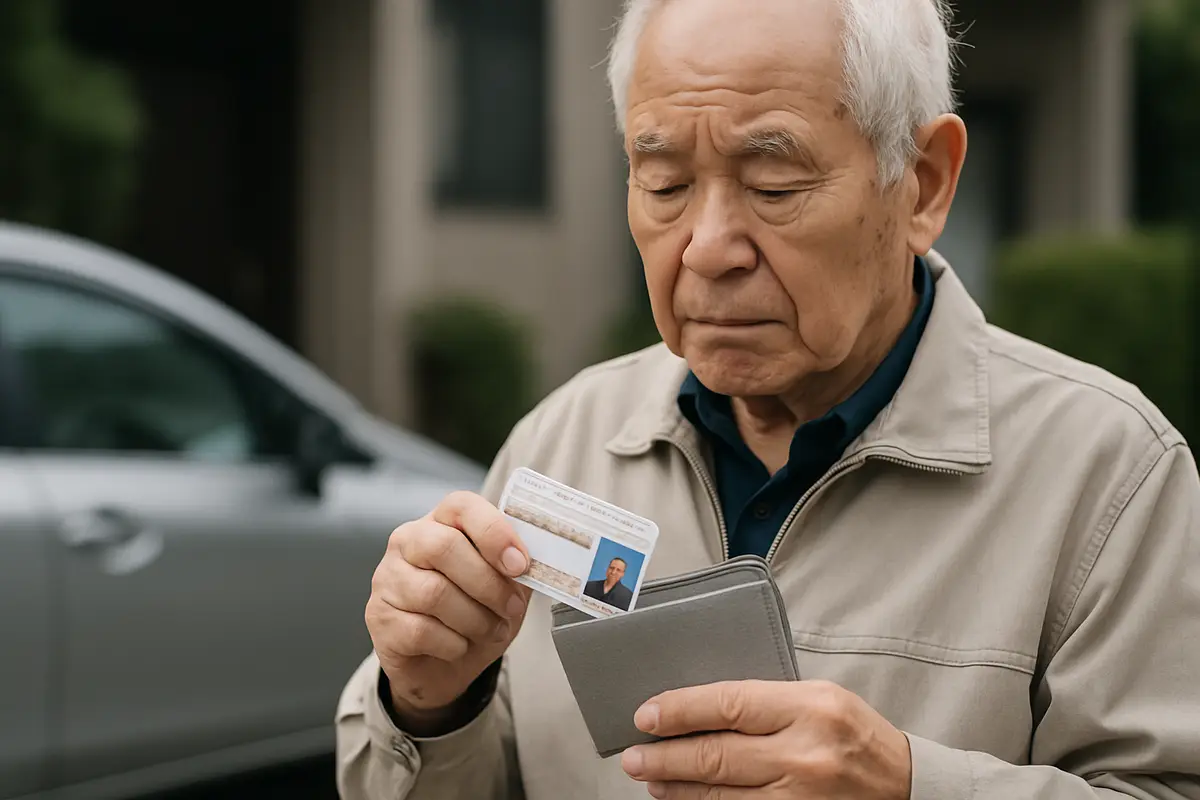
免許を返す高齢者が増えている

More elderly people are handing in their driving licences

2

年を取ってから車の運転をやめる人が増えています。

The number of people who stop driving once they get older is increasing.

3

運転が心配になった高齢者は、自分で免許を警察に返すことができます。

Elderly people who have become worried about their driving can hand their licence in to the police themselves.

4

これを「返納」と言います。

This is called 'hennou' (surrendering a licence).

5

高齢者の事故のニュースが多くなってから、返納する人が増えました。

After news reports of accidents involving elderly drivers became frequent, the number of people surrendering their licences rose.

6

しかし、バスや電車が少ない町では、車がないと買い物や病院に行くのが大変です。

However, in towns with few buses or trains, getting to the shops or the hospital is hard without a car.

7

そのため、返納をためらう人も多いです。

For that reason, many people hesitate to give up their licence.

8

いくつかの市や町では、免許を返した人にバスの割引券を配っています。

In some cities and towns, bus discount vouchers are handed out to people who have returned their licence.

9

タクシーの料金を安くするところもあります。

There are also places that make taxi fares cheaper.

10

専門家は「車がなくても生活できるようにすることが大切だ」と話しています。

Experts say, "What matters is arranging things so that people can live even without a car."

免許めんきょかえ高齢者こうれいしゃている1

2026年08月12日 19:17

著者: jpreader

免許を返す高齢者が増えている

この画像はAIで生成され、学習目的で使用されています。

This image is AI-generated and used for educational purposes.

としてからくるま運転うんてんやめるひとています2運転うんてん心配しんぱいになった高齢者こうれいしゃは、自分じぶん免許めんきょ警察けいさつかえことができます3。これを「返納へんのう」とます4

高齢者こうれいしゃ事故じこニュースおおくなってから返納へんのうするひとえました5しかしバス電車でんしゃすくないまちでは、くるまないともの病院びょういんのが大変たいへんです6そのため返納へんのうためらうひとおおいです7

いくつかまちでは、免許めんきょかえしたひとバス割引券わりびきけんくばています8タクシー料金りょうきんやすくするところもあります9専門家せんもんかは「くるまなくても生活せいかつできるようにすることが大切たいせつだ」とはなています10

Discussion

00

to rate or comment.

No comments yet.