古いふるい
N5

(ふるい)

old (things)

携帯電話けいたいでんわ
N3

(けいたいでんわ)

mobile phone; cell phone

金属きんぞく
N2

(きんぞく)

metal

取り出すとりだす
N3

(とりだす)

to take out; to extract

都市鉱山としこうざん
N1

(としこうざん)

urban mine (metals held in discarded electronics)

使うつかう
N5

(つかう)

to use

パソコンぱそこん
N4

(ぱそこん)

personal computer

きん
N4

(きん)

gold

どう
N2

(どう)

bronze, copper

などなど
N5

(など)

et cetera, and so on

貴重きちょう
N2

(きちょう)

precious, valuable

含むふくむ
N2

(ふくむ)

to contain / to hold (within)

製品せいひん
N3

(せいひん)

product

再びふたたび
N2

(ふたたび)

again, once more

利用りよう
N3

(りよう)

use; utilization

呼ぶよぶ
N4

(よぶ)

to call

注目ちゅうもく
N2

(ちゅうもく)

attention, notice

集めるあつめる
N4

(あつめる)

to collect

環境省かんきょうしょう
N1

(かんきょうしょう)

Ministry of the Environment

家庭かてい
N3

(かてい)

household; home; family

眠るねむる
N3

(ねむる)

to sleep, to hibernate

小型家電こがたかでん
N2

(こがたかでん)

small home appliance

年間ねんかん
N3

(ねんかん)

period of ~ years

およそおよそ
N2

(およそ)

approximately, roughly

数十万すうじゅうまん
N3

(すうじゅうまん)

several hundred thousand

トンとん
N3

(とん)

ton (unit)

上るのぼる
N2

(のぼる)

to amount to, to reach (a figure)

しかししかし
N4

(しかし)

however, but

実際じっさい
N3

(じっさい)

actually; practically; in reality

回収かいしゅう
N2

(かいしゅう)

collection, recovery

割合わりあい
N2

(わりあい)

ratio, rate, percentage

高いたかい
N5

(たかい)

expensive; high

多いおおい
N5

(おおい)

many

ひと
N5

(ひと)

person / people

捨てるすてる
N4

(すてる)

to throw away; to discard

かた
N4

(かた)

person (polite)

分かるわかる
N5

(わかる)

to understand, be clear

感じるかんじる
N3

(かんじる)

to feel, to sense

自治体じちたい
N1

(じちたい)

local government / municipality

えき
N5

(えき)

station

役所やくしょ
N3

(やくしょ)

government office

ボックスぼっくす
N3

(ぼっくす)

box

設置せっち
N2

(せっち)

installation, setting up

無料むりょう
N3

(むりょう)

free of charge

受け付けるうけつける
N2

(うけつける)

to accept, to receive (applications, items)

動きうごき
N3

(うごき)

movement; trend

広げるひろげる
N3

(ひろげる)

to expand; to spread; to broaden

担当者たんとうしゃ
N2

(たんとうしゃ)

person in charge

個人情報こじんじょうほう
N2

(こじんじょうほう)

personal information

データでーた
N3

(でーた)

data

消すけす
N5

(けす)

to extinguish, to turn off

処理しょり
N2

(しょり)

processing; treatment

安心あんしん
N3

(あんしん)

relief / peace of mind

出すだす
N5

(だす)

to serve, put out

説明せつめい
N4

(せつめい)

explanation

~なくなる
N4

to become no longer / to disappear

Indicates a change where something ceases to exist or can no longer be done. Here it describes that prayer gatherings can no longer be held in Hong Kong.

お金がなくなった。

The money is gone.

痛みがなくなりました。

The pain went away.

~ている
N5

is doing, has been doing (ongoing state/action)

Expresses a continuing action or resulting state. Formed with て-form + いる. Can describe an action in progress or a state resulting from a past change.

今、ご飯を食べています。

I am eating rice now.

東京に住んでいます。

I live in Tokyo.

ドアが開いています。

The door is open.

~によると
N3

according to ...

Cites a source of information. The noun before によると is the source. Often followed by a reported statement.

天気予報によると、明日は雨です。

According to the weather forecast, it will rain tomorrow.

ニュースによると、地震がありました。

According to the news, there was an earthquake.

先生によると、テストは来週です。

According to the teacher, the test is next week.

~される
N4

passive form of する-verbs

The passive of a する verb, used here to describe what happens to the appliances rather than who does it. 回収される割合 means the proportion that gets collected.

この商品は日本で製造される。

This product is manufactured in Japan.

会議は来週開催される。

The meeting will be held next week.

~てから
N4

after doing ...

Expresses a sequence where one action is completed before the next begins. Formed with て-form + から. Emphasizes completion of the first action.

ご飯を食べてから、出かけます。

After eating, I will go out.

手を洗ってから、食べてください。

Please eat after washing your hands.

日本に来てから、3年が過ぎました。

Three years have passed since coming to Japan.

~ので
N4

because ~ / since ~

Causal connector. Because JA is buying at higher prices, store prices will also rise.

雨が降ったので、家にいた。

Since it rained, I stayed home.

忙しいので、行けません。

Since I'm busy, I can't go.

~てほしい
N4

want (someone) to do ...

Expresses a wish for someone else to do something. Formed with て-form + ほしい. The person you want to act is marked with に.

静かにしてほしい。

I want you to be quiet.

もう少し待ってほしいです。

I'd like you to wait a bit more.

先生に説明してほしいです。

I want the teacher to explain.

1

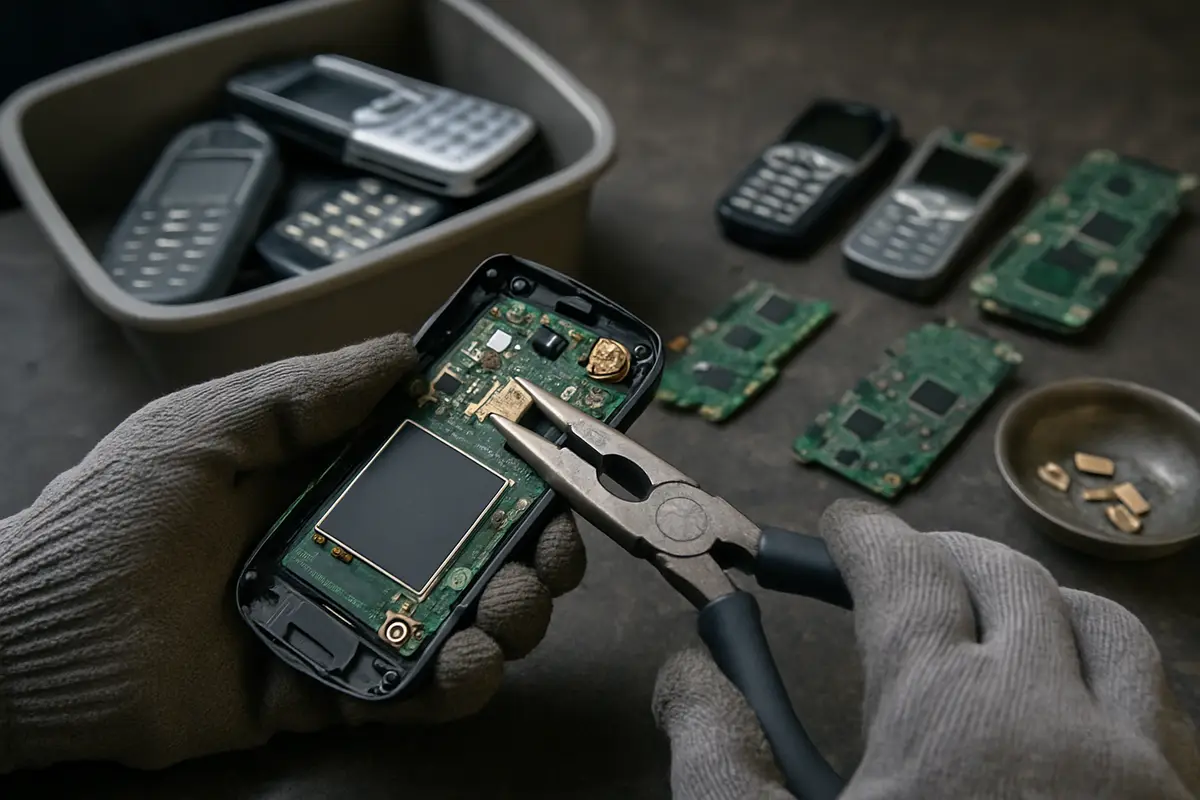
古い携帯電話から金属を取り出す「都市鉱山」

'Urban mining': extracting metals from old mobile phones

2

使わなくなった携帯電話やパソコンには、金や銅などの貴重な金属が含まれている。

Mobile phones and computers that are no longer used contain valuable metals such as gold and copper.

3

こうした製品から金属を取り出して再び利用することは「都市鉱山」と呼ばれ、注目を集めている。

Taking metals out of such products and using them again is called 'urban mining,' and it is drawing attention.

4

環境省によると、家庭に眠っている小型家電は年間およそ数十万トンに上る。

According to the Ministry of the Environment, small home appliances lying unused in households amount to roughly several hundred thousand tons a year.

5

しかし、実際に回収される割合は高くない。

However, the proportion that is actually collected is not high.

6

多くの人が「捨て方が分からない」と感じているためだ。

This is because many people feel that they do not know how to dispose of them.

7

自治体は駅や役所に回収ボックスを設置し、無料で受け付ける動きを広げている。

Local governments are installing collection boxes at stations and government offices, expanding efforts to accept the items free of charge.

8

担当者は「個人情報はデータを消してから処理するので、安心して出してほしい」と説明している。

A person in charge explains, 'We erase the data before processing them, so we would like people to hand them in with peace of mind.'

ふる携帯電話けいたいでんわから金属きんぞくす「都市鉱山としこうざん1

2026年08月14日 19:13

著者: jpreader

古い携帯電話から金属を取り出す「都市鉱山」

この画像はAIで生成され、学習目的で使用されています。

This image is AI-generated and used for educational purposes.

使つかなくなった携帯電話けいたいでんわパソコンには、きんどうなど貴重きちょう金属きんぞくふくまれている2。こうした製品せいひんから金属きんぞくしてふたた利用りようすることは「都市鉱山としこうざん」とばれ、注目ちゅうもくあつている3

環境省かんきょうしょうによると家庭かていねむている小型家電こがたかでん年間ねんかんおよそ数十万すうじゅうまんトンのぼ4しかし実際じっさい回収かいしゅうされる割合わりあいたかくない5おおくのひとが「かたからない」とかんているためだ6

自治体じちたいえき役所やくしょ回収かいしゅうボックス設置せっちし、無料むりょうけるうごきをひろている7担当者たんとうしゃは「個人情報こじんじょうほうデータてから処理しょりするので安心あんしんしててほしい」と説明せつめいている8

Discussion

00

to rate or comment.

No comments yet.