Verb stem + 続ける expresses continuing an action. The て-form あげ続ける means 'continue giving'. A common compound verb pattern.
3時間、走り続けました。
I kept running for 3 hours.
毎日、勉強し続けています。
I keep studying every day.
彼は話し続けた。
He kept on talking.
~ている
N5
is doing, has been doing (ongoing state/action)
Expresses a continuing action or resulting state. Formed with て-form + いる. Can describe an action in progress or a state resulting from a past change.
今、ご飯を食べています。
I am eating rice now.
東京に住んでいます。
I live in Tokyo.
ドアが開いています。
The door is open.
~によると
N3
according to ...
Cites a source of information. The noun before によると is the source. Often followed by a reported statement.
天気予報によると、明日は雨です。
According to the weather forecast, it will rain tomorrow.
ニュースによると、地震がありました。
According to the news, there was an earthquake.
先生によると、テストは来週です。
According to the teacher, the test is next week.
~こと(名詞化)
N4
nominalizer (the act of ~)
Turns verbs into nouns — changing one's awareness (意識を変えること), not over-buying (買いすぎないこと), and using leftovers well (使うこと).
走ることが好きだ。
I like running.
話すことが大切だ。
Talking is important.
~ておく
N4
Do ~ in advance (preparation)
Indicates doing something in advance for future readiness. Companies need to decide procedures in advance.
旅行の前にホテルを予約しておく。
I book a hotel in advance before the trip.
~くなる
N4
to become (い-adjective)
Expresses a change of state for い-adjectives. Drop the final い and add くなる. Indicates something has changed or will change to a new state.
寒くなりました。
It has gotten cold.
日本語が上手になりました。
My Japanese has gotten better.
値段が高くなりました。
The price became expensive.
~られる(受身)
N4
passive voice: was/were ~ed
Passive form indicating that the subject receives the action. '食べられて' means 'were eaten'. Central grammar of this article about tulips being eaten by deer.
ケーキが弟に食べられた。
The cake was eaten by my little brother.
~たり~たりする
N4
doing things like ~ and ~
Lists representative actions among several. Implies there are other actions too. Used twice in this article.
週末は本を読んだり映画を見たりします。
On weekends I do things like read books and watch movies.
歌ったり踊ったりして楽しんだ。
We had fun singing and dancing.
~に対して
N3
in response to ~; toward ~
Signals Israel's response to the international criticism mentioned previously.
質問に対して丁寧に答えた。
He politely answered the question.
これに対して反対する人もいる。
Some people are against this.
~として
N3
as / in the role of
Marks the role, capacity, or status in which something is treated. Used here as 特別な史跡として (as a special historic site).
先生として働く。
To work as a teacher.
プレゼントとしてもらった。
I received it as a present.
1
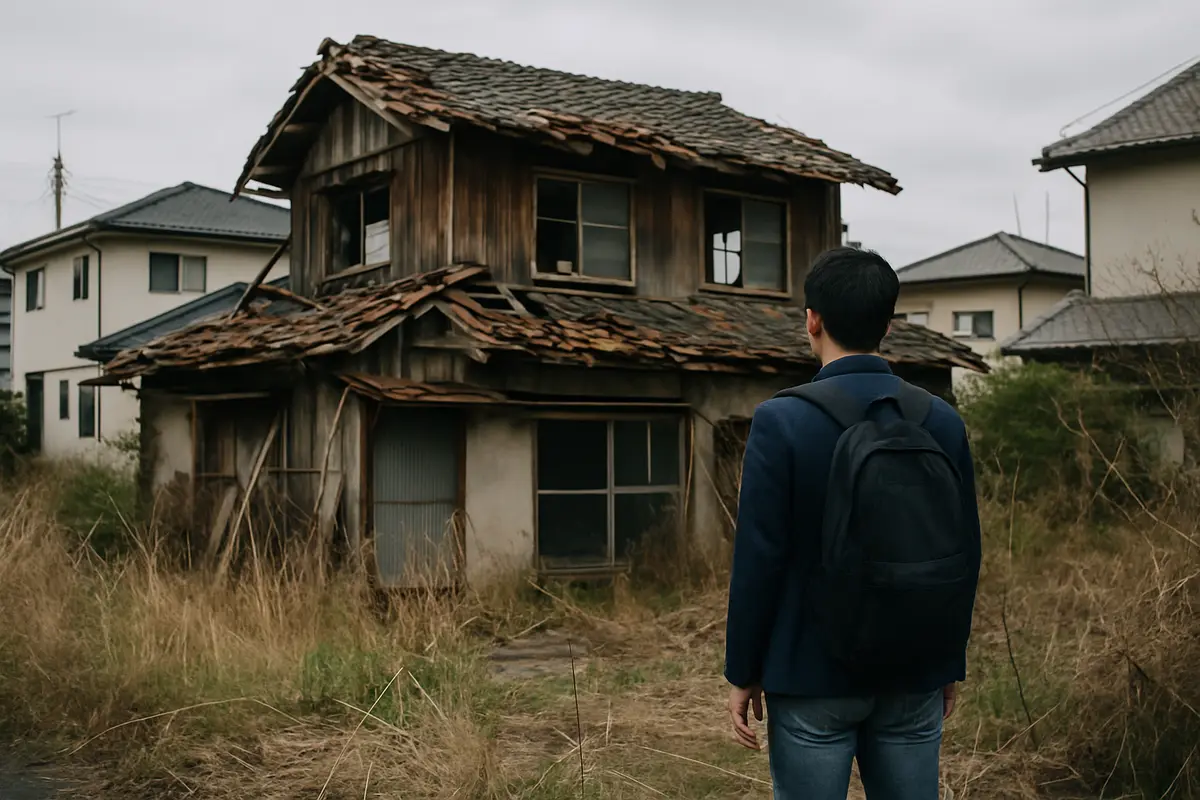
増え続ける空き家をどう生かすか
How can we make use of the ever-growing number of empty houses?
2
日本では、空き家が増え続けています。
In Japan, the number of vacant houses keeps rising.
3
国の調査によると、全国の住宅のおよそ七軒に一軒が空き家です。
According to a national survey, roughly one in every seven homes in the country is vacant.
4
人口が減っていることや、地方から都市へ移り住む人が多いことが主な理由です。
The main reasons are that the population is shrinking and that many people move from rural areas to the cities.
5
空き家をそのままにしておくと、建物が古くなって危険です。
If a vacant house is left as it is, the building deteriorates and becomes dangerous.
6
ごみが捨てられたり、火事が起きたりする心配もあります。
There are also worries that rubbish will be dumped there or that a fire will break out.
7
そのため、自治体は持ち主に対して、修理や取り壊しを求めています。
For that reason, local governments are asking owners to repair or demolish them.
8
一方で、空き家を生かす動きも広がっています。
On the other hand, efforts to put vacant houses to good use are also spreading.
9
若い夫婦が安く借りて住んだり、会社が仕事場として使ったりする例が増えました。
Cases have increased where young couples rent them cheaply and live in them, or companies use them as workplaces.
10
国も、改修の費用を一部支援する制度を用意しています。
The national government has also set up a scheme that covers part of the renovation costs.
増え続ける空き家をどう生かすか1
2026年08月15日 19:19
著者: jpreader
この画像はAIで生成され、学習目的で使用されています。
This image is AI-generated and used for educational purposes.
Discussion
to rate or comment.
No comments yet.