赤字あかじ
N2

(あかじ)

deficit, being in the red

ローカルろーかる
N2

(ろーかる)

local

せん
N3

(せん)

line

どうどう
N5

(どう)

how / in what way

残すのこす
N3

(のこす)

to leave behind, to leave uneaten

人口じんこう
N3

(じんこう)

population

減るへる
N3

(へる)

to decrease / to diminish

地方ちほう
N3

(ちほう)

region; area

鉄道てつどう
N3

(てつどう)

railway; railroad

利用りよう
N3

(りよう)

use; utilization

ひと
N5

(ひと)

person / people

続けるつづける
N4

(つづける)

to continue

鉄道会社てつどうがいしゃ
N2

(てつどうがいしゃ)

railway company

収入しゅうにゅう
N2

(しゅうにゅう)

income, revenue

少ないすくない
N5

(すくない)

few, scarce

路線ろせん
N2

(ろせん)

route / line

維持いじ
N2

(いじ)

maintenance, upkeep

難しいむずかしい
N5

(むずかしい)

difficult

訴えるうったえる
N2

(うったえる)

to sue; to appeal; to file a complaint

くに
N5

(くに)

country; the government

自治体じちたい
N1

(じちたい)

local government / municipality

話し合うはなしあう
N3

(はなしあう)

to discuss

N3

(ば)

place; spot

設けるもうける
N2

(もうける)

to set up, to establish

線路せんろ
N3

(せんろ)

railway track

バスばす
N5

(ばす)

bus

切り替えるきりかえる
N2

(きりかえる)

to switch over, to change to

検討けんとう
N2

(けんとう)

consideration / examination

変えるかえる
N4

(かえる)

to change

費用ひよう
N3

(ひよう)

expense, cost

下がるさがる
N4

(さがる)

To fall; to go down

くるま
N5

(くるま)

car

持つもつ
N5

(もつ)

to have; to hold

高齢者こうれいしゃ
N1

(こうれいしゃ)

elderly person

学生がくせい
N5

(がくせい)

student

不便ふべん
N4

(ふべん)

inconvenient

指摘してき
N1

(してき)

pointing out, indication

一方いっぽう
N3

(いっぽう)

on the other hand / meanwhile

観光客かんこうきゃく
N3

(かんこうきゃく)

tourist; sightseer

呼ぶよぶ
N4

(よぶ)

to call

守るまもる
N4

(まもる)

to protect

地域ちいき
N3

(ちいき)

region; area

地元じもと
N2

(じもと)

local / one's hometown

食べ物たべもの
N5

(たべもの)

food

車内しゃない
N3

(しゃない)

inside the vehicle, on board

楽しむたのしむ
N4

(たのしむ)

to enjoy

列車れっしゃ
N3

(れっしゃ)

train

走らせるはしらせる
N4

(はしらせる)

to run (a vehicle), to operate

県外けんがい
N2

(けんがい)

outside the prefecture

訪れるおとずれる
N2

(おとずれる)

to visit

乗客じょうきゃく
N2

(じょうきゃく)

passenger

増えるふえる
N3

(ふえる)

to increase; to grow

れい
N3

(れい)

example; case

土地とち
N3

(とち)

land, plot of land

暮らすくらす
N3

(くらす)

to live, to spend time

生活せいかつ
N4

(せいかつ)

daily life; livelihood

直接ちょくせつ
N3

(ちょくせつ)

directly

関わるかかわる
N2

(かかわる)

to be related to, to affect

問題もんだい
N5

(もんだい)

problem

~ため
N3

because of, due to

Indicates a reason or cause. More formal than から or ので. Can follow nouns (の + ため) or plain-form verbs/adjectives.

病気のため、学校を休みました。

I was absent from school because of illness.

雨が降ったため、試合は中止です。

The game was cancelled because it rained.

勉強するため、図書館に行きます。

I go to the library in order to study.

~ている
N5

is doing, has been doing (ongoing state/action)

Expresses a continuing action or resulting state. Formed with て-form + いる. Can describe an action in progress or a state resulting from a past change.

今、ご飯を食べています。

I am eating rice now.

東京に住んでいます。

I live in Tokyo.

ドアが開いています。

The door is open.

~のが
N4

the one who / the thing that ~ (nominalizing の)

の stands in for an unnamed person or thing. 引き継ぐのが、大岩剛さんです means 'the one who takes over is Go Oiwa'.

来るのが友だちです。

The one coming is my friend.

私が作ったのがこれです。

This is the one I made.

~される(受身)
N4

passive form of する-verbs

検討されています is the passive of 検討する - the proposal is being examined, with no explicit agent.

案も検討されています。

The proposal is also being considered.

新しいルールが発表されました。

New rules were announced.

~ば
N4

conditional: if ~

Ba-form conditional expressing 'if ~ then ~'.

勉強すれば、合格できる。

If you study, you can pass.

早く起きれば間に合う。

If you wake up early, you'll make it.

~が(逆接)
N4

but / however (contrast)

Conjunctive particle used to connect two clauses with contrasting or unexpected information.

行きたいですが、時間がありません。

I want to go, but I don't have time.

~にとって
N3

for ~ / from the perspective of ~

Indicates a point of view or perspective. Used twice here for 'the company' and 'the Vietnamese people'.

私にとって家族は大切です。

Family is important to me.

子供にとって勉強は難しい。

Study is difficult for children.

~という
N4

called/named ~

Used to introduce or name something. In this article, 「鳥貴族」という店 means 'a store called Torikizoku'.

田中という人を知っていますか。

Do you know a person called Tanaka?

これは寿司という料理です。

This is a dish called sushi.

~ことで
N3

By doing; through the act of

Indicates that the preceding action serves as a means or cause for what follows. 'アメリカとウクライナが一緒に開発することで' means 'by developing together'.

運動することで、健康になります。

By exercising, you become healthy.

~(よ)うとする
N3

to try to / to attempt to

Shows the government attempting to promote it: 進めようとしている.

政府も進めようとしている。

The government is also trying to promote it.

ドアを開けようとした。

I tried to open the door.

~たところ
N3

upon doing ~ / when ~ was done

Describes the result after performing an action: 雄の花の芽を調べたところ (upon examining the male flower buds).

環境省が杉の雄の花の芽を調べたところ、26の道府県で平均より多くなりました。

When the Ministry of the Environment examined cedar male flower buds, they found that 26 prefectures exceeded the average.

1

赤字のローカル線をどう残すか

How can loss-making local rail lines be kept?

2

人口が減っているため、地方の鉄道を利用する人が減り続けています。

Because the population is shrinking, the number of people using rural railways keeps falling.

3

鉄道会社は、収入の少ない路線を維持するのが難しいと訴えています。

Railway companies say that it is difficult to maintain lines that bring in little revenue.

4

国と自治体、鉄道会社は、路線をどうするか話し合う場を設けています。

The national government, local authorities and the railway companies have set up forums to discuss what to do with these lines.

5

線路を残すか、バスに切り替えるかが検討されています。

Whether to keep the tracks or switch to buses is under consideration.

6

バスに変えれば費用は下がりますが、車を持たない高齢者や学生にとっては不便になるという指摘もあります。

Switching to buses would bring costs down, but some point out that it would be inconvenient for elderly people and students who do not own a car.

7

一方、観光客を呼ぶことで路線を守ろうとする地域もあります。

On the other hand, there are also regions trying to protect their lines by attracting tourists.

8

地元の食べ物を車内で楽しめる列車を走らせたところ、県外から訪れる乗客が増えた例もあります。

In one case, after a train where passengers can enjoy local food on board was put into service, the number of passengers visiting from outside the prefecture increased.

9

鉄道をどう残すかは、その土地で暮らす人の生活に直接関わる問題です。

How to keep the railways is a question that directly affects the daily lives of the people who live in those places.
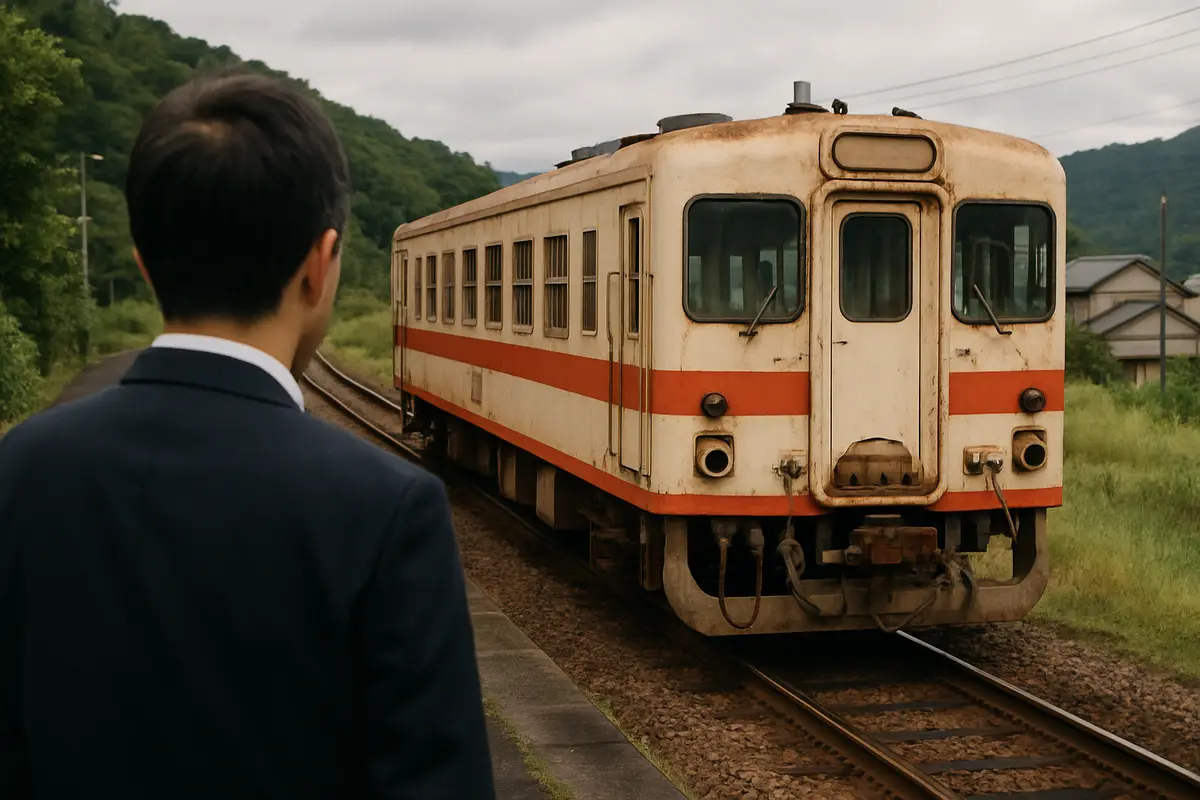
赤字あかじローカルせんどうのこすか1

2026年08月16日 19:19

著者: jpreader

赤字のローカル線をどう残すか

この画像はAIで生成され、学習目的で使用されています。

This image is AI-generated and used for educational purposes.

人口じんこうっているため地方ちほう鉄道てつどう利用りようするひとつづています2鉄道会社てつどうがいしゃは、収入しゅうにゅうすくない路線ろせん維持いじするのがむずかしいとうったています3

くに自治体じちたい鉄道会社てつどうがいしゃは、路線ろせんどうするかはなもうています4線路せんろのこすか、バスえるかが検討けんとうされています5バスれば費用ひようがりますが、くるまたない高齢者こうれいしゃ学生がくせいにとって不便ふべんになるという指摘してきもあります6

一方いっぽう観光客かんこうきゃくことで路線ろせんまもうとする地域ちいきもあります7地元じもともの車内しゃないたのしめる列車れっしゃはしらせたところ県外けんがいからおとずれる乗客じょうきゃくえたれいもあります8鉄道てつどうどうのこすかは、その土地とちらすひと生活せいかつ直接ちょくせつかかわる問題もんだいです9

Discussion

00

to rate or comment.

No comments yet.