Expresses a continuing action or resulting state. Formed with て-form + いる/います. Can describe an action in progress or a state that continues from a past change.
今、本を読んでいます。
I am reading a book now.
窓が開いています。
The window is open.
日本に住んでいます。
I live in Japan.
~くなる
N4
to become (い-adjective)
Expresses a change of state for い-adjectives. Drop the final い and add くなる. Indicates something has changed or will change to a new state.
寒くなりました。
It has gotten cold.
日本語が上手になりました。
My Japanese has gotten better.
値段が高くなりました。
The price became expensive.
~にくい
N3
hard to ~; difficult to ~
Attached to a verb stem to describe difficulty — 'people who have difficulty hearing'.
読みにくい
hard to read
食べにくい
hard to eat
~あと
N4
after ~
Indicates that something happened after a prior action. Used here after 'deciding to stop fighting'.
ご飯を食べたあと、散歩します。
After eating, I'll take a walk.
授業が終わったあと、帰ります。
After class ends, I'll go home.
~から(起点)
N5
from (starting point)
Indicates the origin or source. 建物の中から means 'from inside the building'.
かばんの中から鍵が出てきた。
A key came out from inside the bag.
~と(引用)
N5
quotative particle
Marks the content of what someone said or reported. Used with 言う here.
彼は行くと言いました。
He said he would go.
明日休みだと聞きました。
I heard tomorrow is a holiday.
一方で
N2
on the other hand
Introduces the opposing concern: 一方で、心配する声もある.
一方で、心配する声もある。
On the other hand, there are also voices of concern.
便利だが、一方で危険もある。
It's convenient, but on the other hand there is danger.
~ので
N4
because ~ / since ~
Causal connector. Because JA is buying at higher prices, store prices will also rise.
雨が降ったので、家にいた。
Since it rained, I stayed home.
忙しいので、行けません。
Since I'm busy, I can't go.
~できる(可能)
N4
can; be able to (potential form)
The potential form of する expresses ability. 相談できる = 'can consult'.
ここで予約できる。
You can make a reservation here.
すぐに返事できる。
I can reply right away.
~かもしれない
N4
might, maybe, possibly
Expresses possibility or uncertainty. Attached directly to the plain form of verbs, adjectives, or nouns. Less certain than でしょう.
明日は雨かもしれません。
It might rain tomorrow.
彼は来ないかもしれない。
He might not come.
この問題は難しいかもしれません。
This problem might be difficult.
~までに
N4
by (a certain time)
Indicates a deadline — by February of next year, the company aims to restore shipping.
5時までに帰ります。
I'll be home by 5.
金曜日までに出してください。
Please submit it by Friday.
~たい
N5
want to ~
Verb stem + たい to express desire.
日本に行きたい。
I want to go to Japan.
水を飲みたいです。
I want to drink water.
1
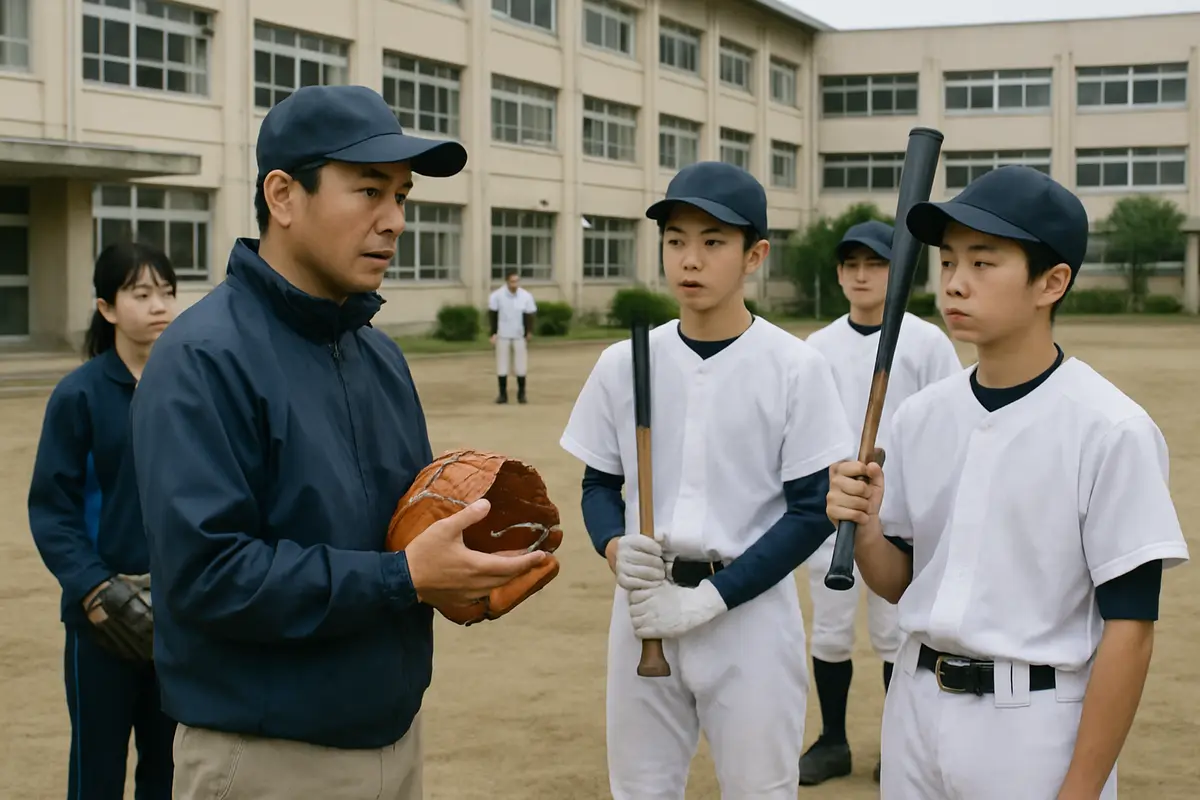
学校の部活動を地域に任せる動き
A move to hand school club activities over to local communities
2
中学校の部活動を、地域のクラブに移す動きが広がっています。
A trend of moving junior high school club activities to community clubs is spreading.
3
今までは、先生が放課後や週末に部活動を教えていました。
Until now, teachers taught the club activities after school and at weekends.
4
しかし、先生の仕事が多くなり、休みが取りにくくなっていました。
However, teachers' workloads grew and it had become hard for them to take time off.
5
新しい方法では、地域のスポーツクラブや、経験のある人が指導します。
Under the new approach, community sports clubs and people with experience do the coaching.
6
生徒は学校が終わったあと、近くの体育館やグラウンドに集まります。
After school ends, the students gather at a nearby gymnasium or sports ground.
7
ある市では、去年から週末の練習を地域に任せています。
In one city, weekend practice has been left to the community since last year.
8
参加した生徒は「いろいろな学校の友だちができました」と話しました。
A student who took part said, "I made friends from all sorts of schools."
9
一方で、問題も残っています。
On the other hand, problems also remain.
10
指導する人が足りない地域があります。
There are areas where there are not enough people to coach.
11
お金がかかるので、参加できない家庭もあるかもしれません。
Because it costs money, there may also be families that cannot take part.
12
国は、来年までにこの仕組みを全国に広げたいと考えています。
The government wants to expand this system nationwide by next year.
学校の部活動を地域に任せる動き1
2026年08月17日 19:21
著者: jpreader
この画像はAIで生成され、学習目的で使用されています。
This image is AI-generated and used for educational purposes.
Discussion
to rate or comment.
No comments yet.