Expresses a change of state for い-adjectives. Drop the final い and add くなる. Indicates something has changed or will change to a new state.
寒くなりました。
It has gotten cold.
日本語が上手になりました。
My Japanese has gotten better.
値段が高くなりました。
The price became expensive.
~ている
N5
is doing, has been doing (ongoing state/action)
Expresses a continuing action or resulting state. Formed with て-form + いる. Can describe an action in progress or a state resulting from a past change.
今、ご飯を食べています。
I am eating rice now.
東京に住んでいます。
I live in Tokyo.
ドアが開いています。
The door is open.
~続ける
N4
to continue doing ...
Verb stem + 続ける expresses continuing an action. The て-form あげ続ける means 'continue giving'. A common compound verb pattern.
3時間、走り続けました。
I kept running for 3 hours.
毎日、勉強し続けています。
I keep studying every day.
彼は話し続けた。
He kept on talking.
~より
N5
than / more than
Indicates comparison. Used to say prices rose on average 2.8% compared to last year.
去年より寒い。
Colder than last year.
彼より背が高い。
Taller than him.
~たり~たりする
N4
doing things like ~ and ~
Lists representative actions among several. Implies there are other actions too. Used twice in this article.
週末は本を読んだり映画を見たりします。
On weekends I do things like read books and watch movies.
歌ったり踊ったりして楽しんだ。
We had fun singing and dancing.
~てくる
N4
come toward (action approaching)
Indicates motion toward the speaker or a location. Here it describes rocks flying toward people.
鳥が飛んできた。
A bird flew toward (us).
雨が降ってきた。
It started raining.
~さ(名詞化)
N4
-ness (turns an adjective into a noun)
Replacing the final い of an i-adjective with さ makes a noun. 暑い becomes 暑さ, 'the heat', which is the cause of the poor rice quality here.
山の高さを測る。
To measure the height of a mountain.
夏の暑さが厳しい。
The summer heat is severe.
~れる(受身)
N4
passive form
Passive voice used for the victim: 殺されている (was murdered), 見つかりました (was found).
女性が殺されているのが見つかりました。
The woman was found murdered.
~てある
N4
has been done / is in a state (intentional)
Attached to the te-form of transitive verbs, indicates a state resulting from intentional action. 置いてある = '(bones) are kept placed / are enshrined'.
ドアに名前が書いてある。
A name is written on the door.
机の上に本が置いてある。
A book is placed on the desk.
~ようとする
N3
try to ~; be about to ~
Expresses an attempt/intention. Used to say China 'was about to / trying to' tighten rare earth exports.
出かけようとしたとき、電話が鳴った。
Just as I was about to go out, the phone rang.
問題を解決しようとしている。
They are trying to solve the problem.
~かどうか
N4
whether or not
Used with embedded questions to express uncertainty about whether something is true. Here it introduces what the research lab is trying to determine about the bear.
行くかどうか分からない。
I don't know whether I'll go or not.
本当かどうか確認する。
I'll check whether it's true or not.
~ません
N5
does not ~ (polite negative)
ません is the polite negative form of verbs. It negates the action in a formal/polite context.
今日は学校に行きません。
I won't go to school today.
~られる(可能)
N4
potential form (can do)
入れられる is the potential form of 入れる — 'can put (things) in'. It describes what the furniture allows you to do.
物を入れられる家具。
Furniture you can put things into.
ここで食べられます。
You can eat here.
~てほしい
N4
want (someone) to do ...
Expresses a wish for someone else to do something. Formed with て-form + ほしい. The person you want to act is marked with に.
静かにしてほしい。
I want you to be quiet.
もう少し待ってほしいです。
I'd like you to wait a bit more.
先生に説明してほしいです。
I want the teacher to explain.
1
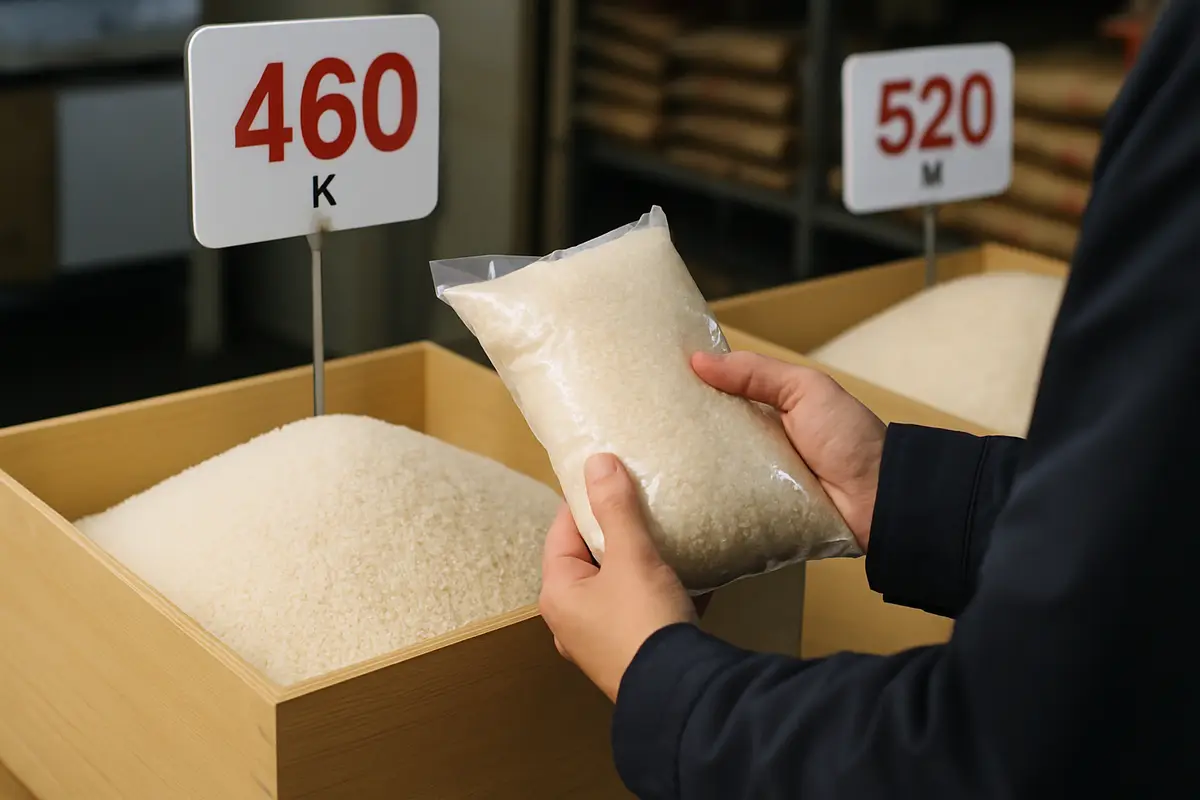
お米の値段が高くなっている
The price of rice keeps going up
2
去年から、日本ではお米の値段が上がり続けています。
Since last year, the price of rice in Japan has kept rising.
3
スーパーでは、五キロの袋が去年より千円ほど高くなった店もあります。
At some supermarkets, a five-kilogram bag now costs about 1,000 yen more than last year.
4
買う量を減らしたり、パンや麺に変えたりする家庭も出てきました。
Households that buy less rice, or switch to bread and noodles, have started to appear.
5
値段が上がった理由はいくつかあります。
There are several reasons why the price went up.
6
夏の暑さで米の質が悪くなり、売れる量が減りました。
The summer heat worsened the quality of the rice, and the amount that could be sold fell.
7
また、外食や弁当で使われる米も多くなりました。
In addition, more rice is now being used for eating out and for boxed lunches.
8
作る農家の数が減っていることも影響しています。
The falling number of farming households that grow rice is also having an effect.
9
政府は、倉庫にためてある米を出して、値段を下げようとしています。
The government is releasing rice stockpiled in warehouses and trying to bring the price down.
10
しかし、効果がすぐに出るかどうかは分かりません。
However, it is not clear whether the effect will show up right away.
11
農家からは、米を作り続けられる仕組みを考えてほしいという声が出ています。
From farmers there are calls for a system to be devised that would let them keep growing rice.
お米の値段が高くなっている1
2026年08月22日 19:22
著者: jpreader
この画像はAIで生成され、学習目的で使用されています。
This image is AI-generated and used for educational purposes.
Discussion
to rate or comment.
No comments yet.