日本には、だれも住んでいない家がたくさんあります2。この家を「空き家」と言います3。空き家は、古くなって、こわれることもあります4。
今、空き家をカフェや店にする町が増えています5。町の人が古い家をきれいにして、コーヒーを飲む店を作ります6。子どもが本を読む場所になった空き家もあります7。近くの人や旅行の人が来て、みんなで話します8。
ある町では、去年、五つの空き家が新しい店になりました9。町の人は「この町が元気になって、うれしいです」と話しています10。
(あきや)
empty house, vacant house
(かふぇ)
cafe
(まち)
town
(ふえる)
to increase; to grow
(にほん)
Japan
(すむ)
to live; to reside
(いえ)
house
(たくさん)
a lot / many
(ある)
a certain (some)
(ふるい)
old (things)
(こわれる)
to break, to be destroyed
(いま)
now
(みせ)
shop, store
(ひと)
person / people
(きれい)
pretty, clean
(こーひー)
coffee
(のむ)
to drink
(つくる)
to make
(こども)
child
(ほん)
book
(よむ)
to read
(ばしょ)
place
(ちかく)
nearby
(りょこう)
Travel; trip
(くる)
to come
(みんな)
Everyone; everybody
(はなす)
to speak, talk
(きょねん)
last year
(いつつ)
five (things)
(あたらしい)
new
(げんき)
Healthy; energetic; lively
(うれしい)
happy; glad
nobody / no one does ~
だれも with a negative verb means 'nobody'. In this article it describes houses where 住んでいない — nobody is living there.
教室にはだれもいません。
There is nobody in the classroom.
だれもこの本を読みませんでした。
Nobody read this book.
is doing, has been doing (ongoing state/action)
Expresses a continuing action or resulting state. Formed with て-form + いる. Can describe an action in progress or a state resulting from a past change.
今、ご飯を食べています。
I am eating rice now.
東京に住んでいます。
I live in Tokyo.
ドアが開いています。
The door is open.
to say that ...
Quotation pattern. と marks the quoted content, followed by 言う (to say). Used for both direct and indirect speech.
先生は明日休みだと言いました。
The teacher said tomorrow is a day off.
母は早く帰ってきてと言った。
My mother said to come home early.
彼はもう行かないと言っています。
He says he won't go anymore.
to become (い-adjective)
Expresses a change of state for い-adjectives. Drop the final い and add くなる. Indicates something has changed or will change to a new state.
寒くなりました。
It has gotten cold.
日本語が上手になりました。
My Japanese has gotten better.
値段が高くなりました。
The price became expensive.
there are cases/times when ~
Describes a possibility or occasional occurrence.
遅れることもある。
Sometimes I'm late.
雨が降ることもあります。
It sometimes rains.
and (non-exhaustive list)
や lists representative examples — Shikoku and Kyushu among other regions (四国や九州).
りんごやみかんを買った。
I bought apples and oranges (among others).
東京や大阪は大きい都市だ。
Tokyo and Osaka are big cities.
decide on / make it X
Indicates choice or theme. Here makes SF and LGBTQ the themes.
コーヒーにします
I'll have coffee.
テーマにする
make it the theme
to become
Expresses a change of state; Kawai became the new commissioner of the Sports Agency.
新しい長官になりました。
He became the new commissioner.
目が見えなくなりました。
He became unable to see.
空き家をカフェにする町が増える
More towns are turning vacant houses into cafés
日本には、だれも住んでいない家がたくさんあります。
In Japan there are many houses where nobody lives.
この家を「空き家」と言います。
These houses are called "akiya" (vacant houses).
空き家は、古くなって、こわれることもあります。
Vacant houses get old, and sometimes they fall apart.
今、空き家をカフェや店にする町が増えています。
Now, more and more towns are turning vacant houses into cafés and shops.
町の人が古い家をきれいにして、コーヒーを飲む店を作ります。
People in the town clean up the old houses and make shops where you can drink coffee.
子どもが本を読む場所になった空き家もあります。
There are also vacant houses that have become places where children read books.
近くの人や旅行の人が来て、みんなで話します。
People from nearby and travelers come, and everyone talks together.
ある町では、去年、五つの空き家が新しい店になりました。
In one town, five vacant houses became new shops last year.
町の人は「この町が元気になって、うれしいです」と話しています。
A resident says, "I'm happy that this town has become lively."
2026年08月26日 19:10
著者: jpreader
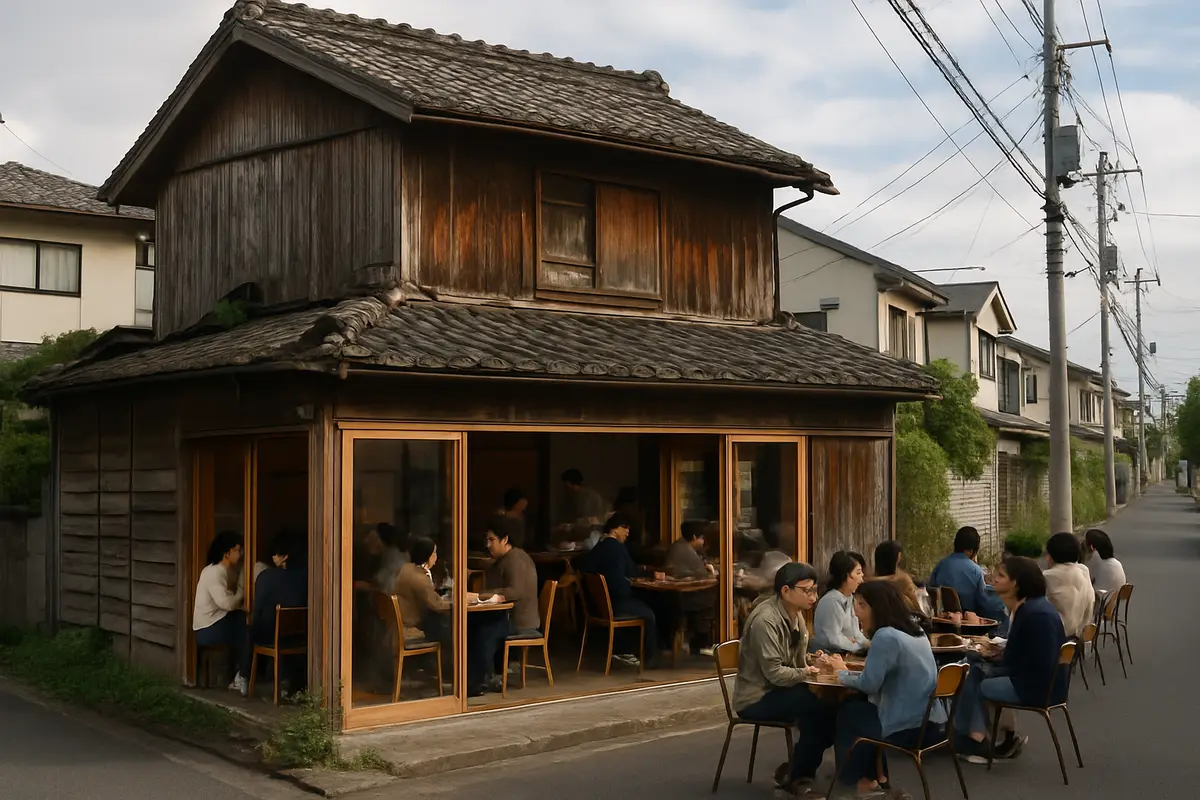
この画像はAIで生成され、学習目的で使用されています。
This image is AI-generated and used for educational purposes.
日本には、だれも住んでいない家がたくさんあります2。この家を「空き家」と言います3。空き家は、古くなって、こわれることもあります4。
今、空き家をカフェや店にする町が増えています5。町の人が古い家をきれいにして、コーヒーを飲む店を作ります6。子どもが本を読む場所になった空き家もあります7。近くの人や旅行の人が来て、みんなで話します8。
ある町では、去年、五つの空き家が新しい店になりました9。町の人は「この町が元気になって、うれしいです」と話しています10。
Discussion
to rate or comment.
No comments yet.