地方では、電車に乗る人が少なくなっています2。そのため、電車の本数を減らす路線が増えています3。ある会社は、来年の春から、朝と夜の電車を今より少なくすると発表しました4。
電車が減ると、学校に通う高校生や、病院に行く高齢者が困るかもしれません5。市や町は、バスを増やしたり、乗り合いのタクシーを走らせたりして、生活を守ろうとしています6。
鉄道会社は「人が少ない路線を続けるのは難しい」と話しています7。国は、地域の人と会社が一緒に話し合う場を作るようにしています8。
(ちほう)
region; area
(でんしゃ)
electric train
(ほんすう)
number of runs / services (counted with 本)
(へる)
to decrease / to diminish
(のる)
to ride, board
(ひと)
person / people
(すくない)
few, scarce
(へらす)
to reduce; to decrease
(ろせん)
route / line
(ふえる)
to increase; to grow
(かいしゃ)
company
(らいねん)
next year
(はる)
spring
(あさ)
morning
(よる)
night
(いま)
now
(はっぴょう)
announcement
(がっこう)
school
(かよう)
to commute / attend regularly
(こうこうせい)
high school student
(びょういん)
hospital
(いく)
to go
(こうれいしゃ)
elderly person
(こまる)
to be troubled; to be in difficulty
(し)
city
(まち)
town
(ばす)
bus
(ふやす)
to increase (something)
(のりあい)
shared ride, ride-sharing
(たくしー)
taxi
(はしらせる)
to run (a vehicle), to operate
(せいかつ)
daily life; livelihood
(まもる)
to protect
(てつどうがいしゃ)
railway company
(つづける)
to continue
(むずかしい)
difficult
(はなす)
to speak, talk
(くに)
country; the government
(ちいき)
region; area
(いっしょ)
Together; at the same time
(はなしあう)
to discuss
(ば)
place; spot
(つくる)
to make
to become (い-adjective)
Expresses a change of state for い-adjectives. Drop the final い and add くなる. Indicates something has changed or will change to a new state.
寒くなりました。
It has gotten cold.
日本語が上手になりました。
My Japanese has gotten better.
値段が高くなりました。
The price became expensive.
is doing, has been doing (ongoing state/action)
Expresses a continuing action or resulting state. Formed with て-form + いる. Can describe an action in progress or a state resulting from a past change.
今、ご飯を食べています。
I am eating rice now.
東京に住んでいます。
I live in Tokyo.
ドアが開いています。
The door is open.
from (starting point)
Indicates the origin or source. 建物の中から means 'from inside the building'.
かばんの中から鍵が出てきた。
A key came out from inside the bag.
and (joining nouns)
と links two nouns into a complete pair. The article uses it to join the two areas the typhoon is passing: 沖縄と奄美, 沖縄県と鹿児島県, 沖縄県と奄美地方.
パンと牛乳を買いました。
I bought bread and milk.
東京と大阪に行きます。
I will go to Tokyo and Osaka.
than / more than
Indicates comparison. Used to say prices rose on average 2.8% compared to last year.
去年より寒い。
Colder than last year.
彼より背が高い。
Taller than him.
To make ~ (adjective)
い-adjective stem + くする means 'to make something (adjective).' 安くする means 'to make cheaper.'
部屋を明るくしました。
I made the room brighter.
if / when (natural consequence)
Conditional と indicating a natural or expected result. 一緒に捨てると…火が出て means 'if you throw them away together, fire starts.'
ボタンを押すと、ドアが開きます。
When you press the button, the door opens.
春になると、桜が咲きます。
When spring comes, cherry blossoms bloom.
and (non-exhaustive list)
や lists representative examples — Shikoku and Kyushu among other regions (四国や九州).
りんごやみかんを買った。
I bought apples and oranges (among others).
東京や大阪は大きい都市だ。
Tokyo and Osaka are big cities.
might, maybe, possibly
Expresses possibility or uncertainty. Attached directly to the plain form of verbs, adjectives, or nouns. Less certain than でしょう.
明日は雨かもしれません。
It might rain tomorrow.
彼は来ないかもしれない。
He might not come.
この問題は難しいかもしれません。
This problem might be difficult.
doing things like ~ and ~
Lists representative actions among several. Implies there are other actions too. Used twice in this article.
週末は本を読んだり映画を見たりします。
On weekends I do things like read books and watch movies.
歌ったり踊ったりして楽しんだ。
We had fun singing and dancing.
to try to ~ / to be about to ~
The volitional form plus とする shows an attempt. 消そうとしています means they are trying to put the fires out, without saying they succeed.
ドアを開けようとしましたが、開きませんでした。
I tried to open the door, but it wouldn't open.
火を消そうとしています。
They are trying to put out the fire.
The one that ~; what ~ is
Nominalizer の followed by the topic marker は, used to turn a clause into a noun phrase that serves as the topic of the sentence.
私が好きなのは寿司です。
What I like is sushi.
quotative particle
Marks the content of what someone said or reported. Used with 言う here.
彼は行くと言いました。
He said he would go.
明日休みだと聞きました。
I heard tomorrow is a holiday.
to make sure that, to ensure that
Expresses the goal of bringing about a certain state or preventing something. Formed with verb plain form + ようにする. Often used to describe efforts to ensure or prevent something.
毎日野菜を食べるようにしています。
I make sure to eat vegetables every day.
遅刻しないようにしてください。
Please make sure not to be late.
忘れないようにメモを書きました。
I wrote a note so I wouldn't forget.
地方の電車の本数が減る
Train services in rural areas are being cut
地方では、電車に乗る人が少なくなっています。
In rural areas, fewer and fewer people are riding the trains.
そのため、電車の本数を減らす路線が増えています。
For that reason, more and more lines are cutting the number of trains they run.
ある会社は、来年の春から、朝と夜の電車を今より少なくすると発表しました。
One company announced that from next spring it will run fewer morning and evening trains than it does now.
電車が減ると、学校に通う高校生や、病院に行く高齢者が困るかもしれません。
If the trains are cut, high school students commuting to school and elderly people going to the hospital may be left in trouble.
市や町は、バスを増やしたり、乗り合いのタクシーを走らせたりして、生活を守ろうとしています。
Cities and towns are trying to protect daily life by doing things like adding more buses and running shared taxis.
鉄道会社は「人が少ない路線を続けるのは難しい」と話しています。
The railway company says, "It is difficult to keep running lines with few passengers."
国は、地域の人と会社が一緒に話し合う場を作るようにしています。
The national government is working to create places where local residents and companies can talk things over together.
2026年08月27日 19:16
著者: jpreader
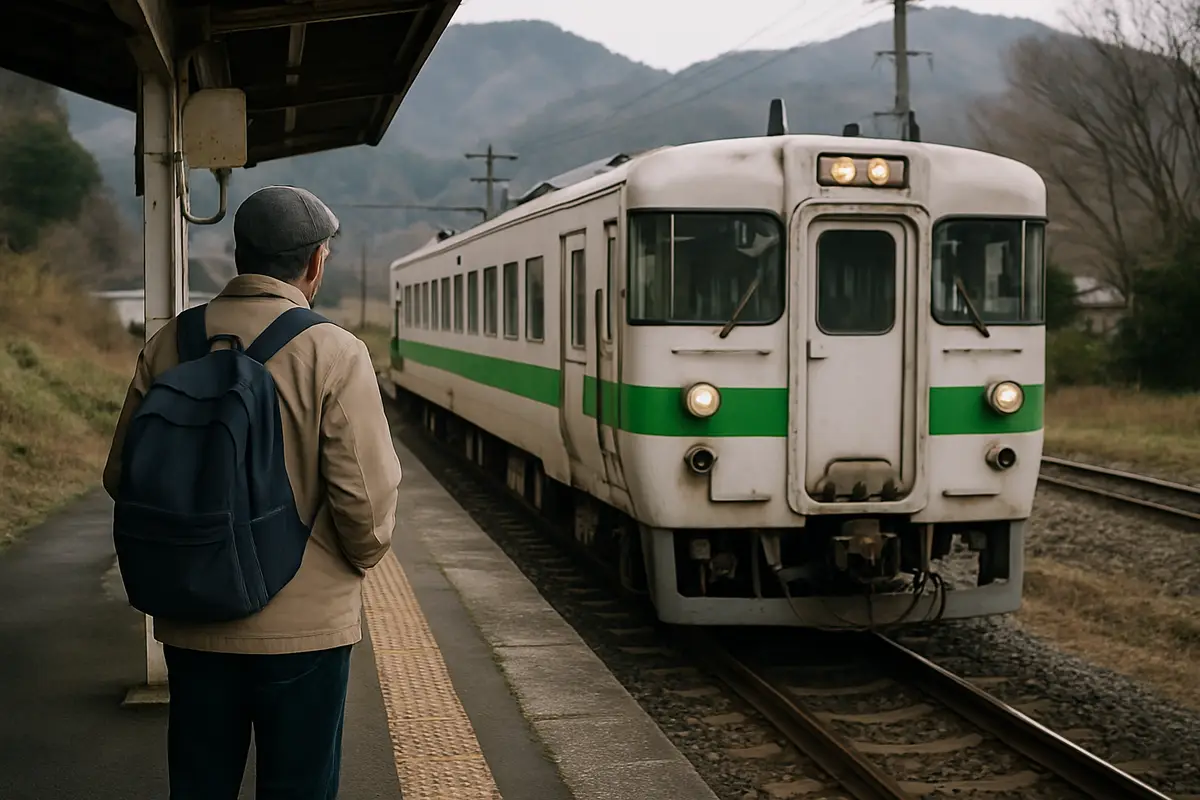
この画像はAIで生成され、学習目的で使用されています。
This image is AI-generated and used for educational purposes.
地方では、電車に乗る人が少なくなっています2。そのため、電車の本数を減らす路線が増えています3。ある会社は、来年の春から、朝と夜の電車を今より少なくすると発表しました4。
電車が減ると、学校に通う高校生や、病院に行く高齢者が困るかもしれません5。市や町は、バスを増やしたり、乗り合いのタクシーを走らせたりして、生活を守ろうとしています6。
鉄道会社は「人が少ない路線を続けるのは難しい」と話しています7。国は、地域の人と会社が一緒に話し合う場を作るようにしています8。
Discussion
to rate or comment.
No comments yet.