宿泊税しゅくはくぜい
N1

(しゅくはくぜい)

accommodation tax, lodging tax

導入どうにゅう
N2

(どうにゅう)

introduction (of a system); 導入する = to introduce

自治体じちたい
N1

(じちたい)

local government / municipality

増えるふえる
N3

(ふえる)

to increase; to grow

観光客かんこうきゃく
N3

(かんこうきゃく)

tourist; sightseer

増加ぞうか
N2

(ぞうか)

increase

伴うともなう
N2

(ともなう)

to accompany; ~に伴い = along with, in step with

ホテルほてる
N5

(ほてる)

hotel

旅館りょかん
N4

(りょかん)

Japanese inn

泊まるとまる
N4

(とまる)

to stay overnight

人ひと
N5

(ひと)

person / people

一泊いっぱく
N3

(いっぱく)

one night's stay

あたりあたり
N3

(あたり)

per, apiece (per unit)

数百円すうひゃくえん
N3

(すうひゃくえん)

a few hundred yen

集めるあつめる
N4

(あつめる)

to collect

税金ぜいきん
N3

(ぜいきん)

tax

観光地かんこうち
N3

(かんこうち)

tourist spot

整備せいび
N2

(せいび)

maintenance, improvement (of facilities)

案内表示あんないひょうじ
N2

(あんないひょうじ)

guide signage, information signs

多言語化たげんごか
N1

(たげんごか)

multilingualization, making something multilingual

などなど
N5

(など)

et cetera, and so on

使うつかう
N5

(つかう)

to use

自治体側じちたいがわ
N1

(じちたいがわ)

the local government side (as opposed to businesses)

処理しょり
N2

(しょり)

processing; treatment

交通こうつう
N3

(こうつう)

traffic, transportation

混雑こんざつ
N2

(こんざつ)

congestion, crowding

対応たいおう
N2

(たいおう)

response, handling

費用ひよう
N3

(ひよう)

expense, cost

かかるかかる
N5

(かかる)

to take (time/money), cost

説明せつめい
N4

(せつめい)

explanation

一方いっぽう
N3

(いっぽう)

on the other hand / meanwhile

宿泊業者しゅくはくぎょうしゃ
N1

(しゅくはくぎょうしゃ)

lodging operator, accommodation business

客きゃく
N4

(きゃく)

Customer; guest

予約よやく
N3

(よやく)

reservation

減るへる
N3

(へる)

to decrease / to diminish

心配しんぱい
N4

(しんぱい)

worry / concern

声こえ
N4

(こえ)

voice

出るでる
N5

(でる)

to come out; to occur

専門家せんもんか
N2

(せんもんか)

expert, specialist

使い道つかいみち
N2

(つかいみち)

use, purpose, application

分かるわかる
N5

(わかる)

to understand, be clear

示すしめす
N3

(しめす)

to show / indicate

住民じゅうみん
N2

(じゅうみん)

resident

事業者じぎょうしゃ
N1

(じぎょうしゃ)

business operator, company

理解りかい
N3

(りかい)

understanding

得るえる
N3

(える)

to gain, to obtain

指摘してき
N1

(してき)

pointing out, indication

検討けんとう
N2

(けんとう)

consideration / examination

今後こんご
N3

(こんご)

from now on; in the future

さらにさらに
N3

(さらに)

furthermore, even more

名詞+する
N5

turns a noun into a verb

Many Sino-Japanese nouns become verbs by adding する. 返納する means 'to hand in (a licence)'.

返納する人が増えました。

The number of people handing in their licence increased.

毎日勉強する。

I study every day.

~ている
N5

is doing, has been doing (ongoing state/action)

Expresses a continuing action or resulting state. Formed with て-form + いる. Can describe an action in progress or a state resulting from a past change.

今、ご飯を食べています。

I am eating rice now.

東京に住んでいます。

I live in Tokyo.

ドアが開いています。

The door is open.

~や
N5

and (non-exhaustive list)

や lists representative examples — Shikoku and Kyushu among other regions (四国や九州).

りんごやみかんを買った。

I bought apples and oranges (among others).

東京や大阪は大きい都市だ。

Tokyo and Osaka are big cities.

~から(起点)
N5

from (starting point)

Indicates the origin or source. 建物の中から means 'from inside the building'.

かばんの中から鍵が出てきた。

A key came out from inside the bag.

~(ら)れる(受身)
N4

passive form

Passive voice. 愛される means 'to be loved', describing the kind of store the worker aspires to create.

みんなに愛される人になりたい。

I want to be a person loved by everyone.

先生に褒められました。

I was praised by my teacher.

~ことで
N3

By doing; through the act of

Indicates that the preceding action serves as a means or cause for what follows. 'アメリカとウクライナが一緒に開発することで' means 'by developing together'.

運動することで、健康になります。

By exercising, you become healthy.

~のではないか
N3

isn't it that ~ / perhaps ~

Used in 故障したのではないか to express JR East's tentative guess that the machine may have broken down.

彼は病気なのではないかと思う。

I think perhaps he is sick.

間違えたのではないですか。

Didn't you make a mistake?

~やすい
N4

easy to ~ / tends to ~

Used in 'うつりやすくて' meaning 'easily contagious / easy to catch'.

この本は読みやすい。

This book is easy to read.

忘れやすい。

Easy to forget.

~なければ
N4

if not ~

Conditional; if the action is not done.

勉強しなければ落ちる。

If you don't study, you'll fail.

急がなければ遅れる。

If we don't hurry, we'll be late.

~られる(可能)
N4

potential form (can do)

入れられる is the potential form of 入れる — 'can put (things) in'. It describes what the furniture allows you to do.

物を入れられる家具。

Furniture you can put things into.

ここで食べられます。

You can eat here.

~とみられる
N2

is believed / seen to be

Expresses that something is presumed or regarded to be the case, common in news reporting.

事故が原因とみられている。

An accident is believed to be the cause.

1

宿泊税を導入する自治体が増える

More local governments are introducing an accommodation tax

2

観光客の増加に伴い、宿泊税を導入する自治体が増えています。

Along with the growth in tourist numbers, more and more local governments are introducing an accommodation tax.

3

宿泊税は、ホテルや旅館に泊まる人から一泊あたり数百円を集める税金で、観光地の整備や案内表示の多言語化などに使われます。

The accommodation tax is a tax of a few hundred yen per night collected from people staying at hotels and inns, and it is used for things like improving tourist areas and making guide signs multilingual.

4

自治体側は、観光客が増えたことで、ごみの処理や交通の混雑への対応に費用がかかっていると説明しています。

The local governments explain that, with the rise in tourists, dealing with garbage disposal and traffic congestion is costing them money.

5

一方、宿泊業者からは、客の予約が減るのではないかと心配する声も出ています。

On the other hand, lodging operators are also voicing concern that guest bookings may fall.

6

専門家は「集めた税金の使い道を分かりやすく示さなければ、住民や事業者の理解は得られない」と指摘しています。

Experts point out, "Unless they clearly show how the collected tax money is spent, they will not win the understanding of residents and businesses."

7

導入を検討している自治体は、今後さらに増えるとみられます。

The number of local governments considering introducing the tax is expected to grow further from now on.
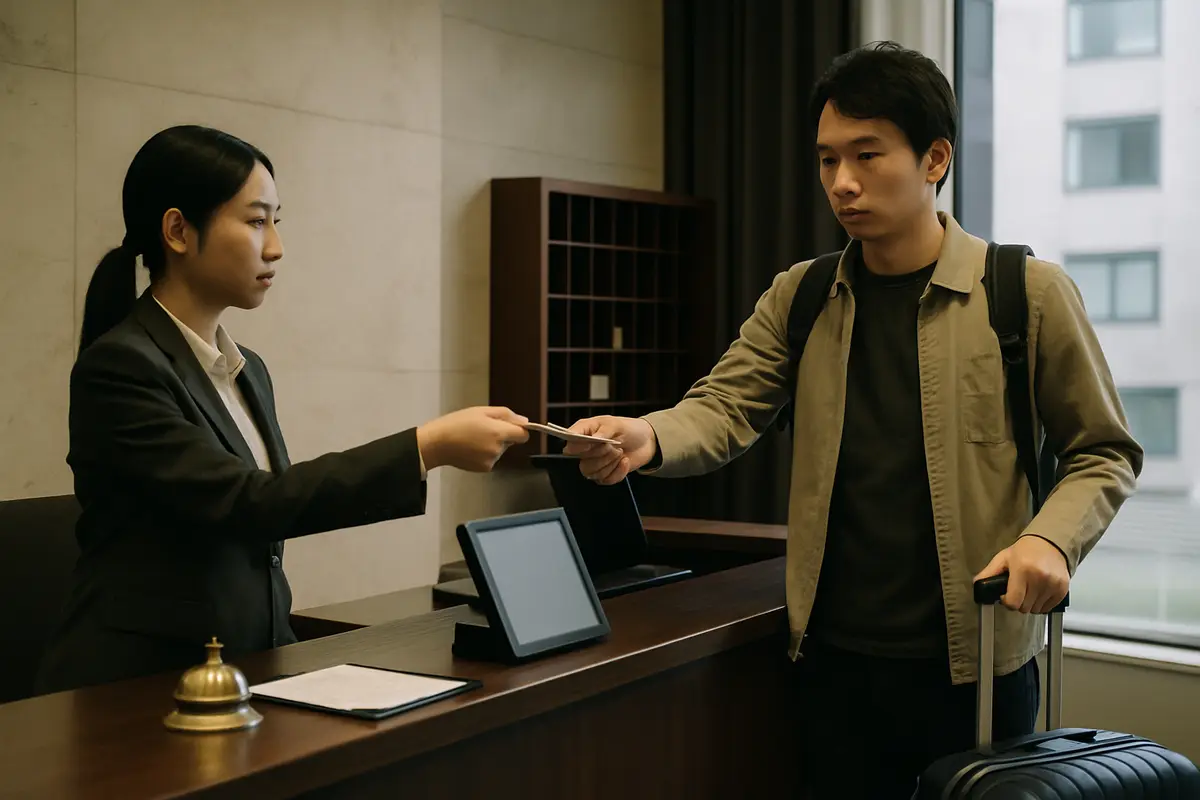
宿泊税しゅくはくぜいを導入どうにゅうする自治体じちたいが増ふえる1

2026年08月27日 19:25

著者: jpreader

宿泊税を導入する自治体が増える

この画像はAIで生成され、学習目的で使用されています。

This image is AI-generated and used for educational purposes.

観光客かんこうきゃくの増加ぞうかに伴ともない、宿泊税しゅくはくぜいを導入どうにゅうする自治体じちたいが増ふえています2。宿泊税しゅくはくぜいは、ホテルや旅館りょかんに泊とまる人ひとから一泊いっぱくあたり数百円すうひゃくえんを集あつめる税金ぜいきんで、観光地かんこうちの整備せいびや案内表示あんないひょうじの多言語化たげんごかなどに使つかわれます3。

自治体側じちたいがわは、観光客かんこうきゃくが増ふえたことで、ごみの処理しょりや交通こうつうの混雑こんざつへの対応たいおうに費用ひようがかかっていると説明せつめいしています4。一方いっぽう、宿泊業者しゅくはくぎょうしゃからは、客きゃくの予約よやくが減へるのではないかと心配しんぱいする声こえも出でています5。

専門家せんもんかは「集あつめた税金ぜいきんの使つかい道みちを分わかりやすく示しめさなければ、住民じゅうみんや事業者じぎょうしゃの理解りかいは得えられない」と指摘してきしています6。導入どうにゅうを検討けんとうしている自治体じちたいは、今後こんごさらに増ふえるとみられます7。

Discussion

00

to rate or comment.

No comments yet.