自転車じてんしゃ
N5

(じてんしゃ)

bicycle

止めるとめる
N4

(とめる)

to stop, to halt

場所ばしょ
N4

(ばしょ)

place

増えるふえる
N3

(ふえる)

to increase; to grow

駅えき
N5

(えき)

station

近くちかく
N5

(ちかく)

nearby

来るくる
N5

(くる)

to come

人ひと
N5

(ひと)

person / people

多いおおい
N5

(おおい)

many

東京とうきょう
N5

(とうきょう)

Tokyo

大阪おおさか
N5

(おおさか)

Osaka

小さいちいさい
N5

(ちいさい)

small

町まち
N5

(まち)

town

新しいあたらしい
N5

(あたらしい)

new

前まえ
N5

(まえ)

before, previous

道みち
N5

(みち)

road, street, path

たくさんたくさん
N5

(たくさん)

a lot / many

歩くあるく
N5

(あるく)

to walk

あぶないあぶない
N5

(あぶない)

dangerous

車くるま
N5

(くるま)

car

通るとおる
N4

(とおる)

to pass through

市し
N4

(し)

city

下した
N5

(した)

under, below

横よこ
N4

(よこ)

side; beside

作るつくる
N5

(つくる)

to make

今いま
N5

(いま)

now

きれいきれい
N5

(きれい)

pretty, clean

お金おかね
N5

(おかね)

money

一日いちにち
N5

(いちにち)

one day

百円ひゃくえん
N5

(ひゃくえん)

one hundred yen

ぐらいぐらい
N5

(ぐらい)

about, approximately

一か月いっかげつ
N4

(いっかげつ)

one month

二千円にせんえん
N5

(にせんえん)

two thousand yen

所ところ
N5

(ところ)

place; area

スマホすまほ
N3

(すまほ)

smartphone

はらうはらう
N4

(はらう)

to pay

かぎかぎ
N5

(かぎ)

key; lock

カードかーど
N5

(かーど)

card

使うつかう
N5

(つかう)

to use

みんなみんな
N5

(みんな)

Everyone; everybody

話すはなす
N5

(はなす)

to speak, talk

~ている
N5

is doing, has been doing (ongoing state/action)

Expresses a continuing action or resulting state. Formed with て-form + いる. Can describe an action in progress or a state resulting from a past change.

今、ご飯を食べています。

I am eating rice now.

東京に住んでいます。

I live in Tokyo.

ドアが開いています。

The door is open.

~からです
N5

it is because ~

Gives a reason at the end of a sentence. Used here to explain why gasoline prices dropped (government subsidies).

疲れた。たくさん歩いたからです。

I'm tired. It's because I walked a lot.

寒いからです。

It's because it's cold.

~や
N5

and (non-exhaustive list)

や lists representative examples — Shikoku and Kyushu among other regions (四国や九州).

りんごやみかんを買った。

I bought apples and oranges (among others).

東京や大阪は大きい都市だ。

Tokyo and Osaka are big cities.

~だけ
N5

only ~

Limiter particle. 女性だけが宇宙船に乗りました means 'only women boarded the spaceship.'

私だけが知っています。

Only I know.

水だけ飲みました。

I only drank water.

~まで
N5

until / as far as

Indicates an end point in space or time. Here it expresses how far the balls flew.

駅まで歩きます。

I walk to the station.

遠くまで飛びました。

It flew far away.

~にも
N4

also to/by ~

Combines に (direction/target) with も (also).

子どもにも人気だ。

It's popular with children too.

私にもください。

Please give me some too.

~にくい
N3

hard to ~; difficult to ~

Attached to a verb stem to describe difficulty — 'people who have difficulty hearing'.

読みにくい

hard to read

食べにくい

hard to eat

~やすい
N4

easy to ~ / tends to ~

Used in 'うつりやすくて' meaning 'easily contagious / easy to catch'.

この本は読みやすい。

This book is easy to read.

忘れやすい。

Easy to forget.

~になる
N5

to become

Expresses a change of state; Kawai became the new commissioner of the Sports Agency.

新しい長官になりました。

He became the new commissioner.

目が見えなくなりました。

He became unable to see.

~ことができる
N4

can do ..., to be able to ...

Verb dictionary form + ことができる expresses ability or possibility. More formal than the potential verb form. Common in written Japanese and announcements.

日本語を話すことができます。

I can speak Japanese.

ここで写真を撮ることができます。

You can take photos here.

インターネットで予約することができます。

You can make a reservation on the internet.

~なくても
N4

even without ~ / even if not ~

Negative te-form with も meaning even if not. Here 予約をしなくても (even without making a reservation).

行かなくてもいい。

You don't have to go.

食べなくても大丈夫。

It's OK even without eating.

~たい
N5

want to ~

Verb stem + たい to express desire.

日本に行きたい。

I want to go to Japan.

水を飲みたいです。

I want to drink water.

1

自転車を止める場所が増える

Places to park bicycles are increasing

2

駅の近くに自転車を止める場所が増えています。

The number of places to park bicycles near stations is increasing.

3

自転車で駅まで来る人が多いからです。

This is because many people come to the station by bicycle.

4

東京や大阪だけではありません。

It is not only in Tokyo and Osaka.

5

小さい町にも新しい場所ができています。

New places are being built in small towns as well.

6

前は道に自転車を止める人がたくさんいました。

In the past, many people parked their bicycles on the street.

7

歩く人はあぶないです。

That is dangerous for people who are walking.

8

車も通りにくいです。

Cars also have a hard time getting through.

9

市は道の下や駅の横に場所を作りました。

Cities have built parking spaces under roads and beside stations.

10

今は道がきれいになりました。

Now the streets have become tidy.

11

お金は一日百円ぐらいです。

The cost is about one hundred yen a day.

12

一か月で二千円の所もあります。

There are also places that cost two thousand yen a month.

13

スマホでお金をはらうことができます。

You can pay with a smartphone.

14

かぎがなくても、カードで使えます。

Even without a key, you can use it with a card.

15

市の人は「みんなが使いやすい場所を作りたいです」と話しました。

A city official said, "We want to build places that are easy for everyone to use."

自転車じてんしゃを止とめる場所ばしょが増ふえる1

2026年08月29日 19:11

著者: jpreader

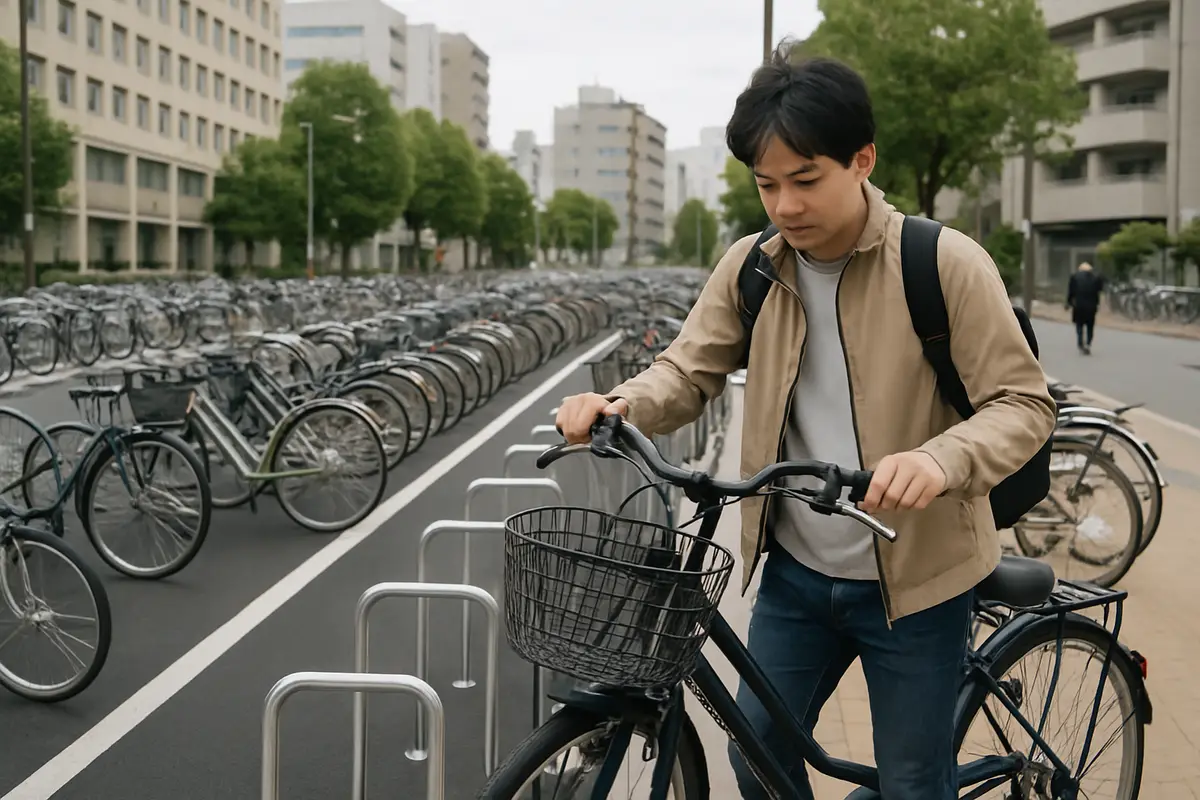
自転車を止める場所が増える

この画像はAIで生成され、学習目的で使用されています。

This image is AI-generated and used for educational purposes.

駅えきの近ちかくに自転車じてんしゃを止とめる場所ばしょが増ふえています2。自転車じてんしゃで駅えきまで来くる人ひとが多おおいからです3。東京とうきょうや大阪おおさかだけではありません4。小ちいさい町まちにも新あたらしい場所ばしょができています5。

前まえは道みちに自転車じてんしゃを止とめる人ひとがたくさんいました6。歩あるく人ひとはあぶないです7。車くるまも通とおりにくいです8。市しは道みちの下したや駅えきの横よこに場所ばしょを作つくりました9。今いまは道みちがきれいになりました10。

お金かねは一日いちにち百円ひゃくえんぐらいです11。一いっか月げつで二千円にせんえんの所ところもあります12。スマホでお金かねをはらうことができます13。かぎがなくても、カードで使つかえます14。市しの人ひとは「みんなが使つかいやすい場所ばしょを作つくりたいです」と話はなしました15。

Discussion

00

to rate or comment.

No comments yet.