制服せいふく
N3

(せいふく)

school uniform

自由じゆう
N3

(じゆう)

freedom, free

選ぶえらぶ
N4

(えらぶ)

To choose; to select

学校がっこう
N5

(がっこう)

school

増えるふえる
N3

(ふえる)

to increase; to grow

男子だんし
N3

(だんし)

male; men's

女子じょし
N3

(じょし)

women, female

好きすき
N5

(すき)

liked, favorite

スカートすかーと
N5

(すかーと)

skirt

ズボンずぼん
N5

(ずぼん)

pants

自分じぶん
N4

(じぶん)

oneself

決めるきめる
N4

(きめる)

to decide

リボンりぼん
N3

(りぼん)

ribbon (uniform tie)

ネクタイねくたい
N4

(ねくたい)

necktie

動きうごき
N3

(うごき)

movement; trend

十年じゅうねん
N5

(じゅうねん)

ten years

ぐらいぐらい
N5

(ぐらい)

about, approximately

まえ
N5

(まえ)

before, previous

始まるはじまる
N5

(はじまる)

to begin

寒いさむい
N5

(さむい)

cold

N5

(ひ)

day

はくはく
N5

(はく)

to wear (shoes/pants)

生徒せいと
N3

(せいと)

student (middle/high school)

多いおおい
N5

(おおい)

many

性別せいべつ
N2

(せいべつ)

gender, sex

ふく
N5

(ふく)

clothes

決まるきまる
N3

(きまる)

to be decided

困るこまる
N4

(こまる)

to be troubled; to be in difficulty

けん
N4

(けん)

prefecture

公立こうりつ
N2

(こうりつ)

public (institution)

中学校ちゅうがっこう
N4

(ちゅうがっこう)

middle school / junior high school

半分はんぶん
N5

(はんぶん)

half

以上いじょう
N3

(いじょう)

more than; beyond this

新しいあたらしい
N5

(あたらしい)

new

先生せんせい
N5

(せんせい)

teacher

来るくる
N5

(くる)

to come

思うおもう
N5

(おもう)

to think

話すはなす
N5

(はなす)

to speak, talk

値段ねだん
N3

(ねだん)

price

高いたかい
N5

(たかい)

expensive; high

問題もんだい
N5

(もんだい)

problem

残るのこる
N3

(のこる)

to remain / to stay behind

くに
N5

(くに)

country; the government

安いやすい
N5

(やすい)

cheap / inexpensive

買うかう
N5

(かう)

to buy

方法ほうほう
N3

(ほうほう)

method; way

考えるかんがえる
N4

(かんがえる)

to think; to consider

~ている
N5

is doing, has been doing (ongoing state/action)

Expresses a continuing action or resulting state. Formed with て-form + いる. Can describe an action in progress or a state resulting from a past change.

今、ご飯を食べています。

I am eating rice now.

東京に住んでいます。

I live in Tokyo.

ドアが開いています。

The door is open.

動詞の可能形
N4

potential form: can do ~

選ぶ becomes 選べる (can choose) — the whole article is about students being able to choose their own uniform items.

好きな服が選べます。

You can choose the clothes you like.

日本語が話せる人を探しています。

I am looking for someone who can speak Japanese.

~ことができる
N4

can do ..., to be able to ...

Verb dictionary form + ことができる expresses ability or possibility. More formal than the potential verb form. Common in written Japanese and announcements.

日本語を話すことができます。

I can speak Japanese.

ここで写真を撮ることができます。

You can take photos here.

インターネットで予約することができます。

You can make a reservation on the internet.

~から
N5

because ~

Provides a reason or cause.

疲れたから休む。

I'll rest because I'm tired.

寒いから帰る。

I'm going home because it's cold.

~たい
N5

want to ~

Verb stem + たい to express desire.

日本に行きたい。

I want to go to Japan.

水を飲みたいです。

I want to drink water.

~からです
N5

it is because ~

Gives a reason at the end of a sentence. Used here to explain why gasoline prices dropped (government subsidies).

疲れた。たくさん歩いたからです。

I'm tired. It's because I walked a lot.

寒いからです。

It's because it's cold.

~ようになる
N4

come to / reach the point where

Indicates a change in state or ability.

運転できるようになった。

Trains became able to run.

日本語が話せるようになりました。

I became able to speak Japanese.

~やすい
N4

easy to ~ / tends to ~

Used in 'うつりやすくて' meaning 'easily contagious / easy to catch'.

この本は読みやすい。

This book is easy to read.

忘れやすい。

Easy to forget.

~という
N4

called/named ~

Used to introduce or name something. In this article, 「鳥貴族」という店 means 'a store called Torikizoku'.

田中という人を知っていますか。

Do you know a person called Tanaka?

これは寿司という料理です。

This is a dish called sushi.

~にする
N4

decide on / make it X

Indicates choice or theme. Here makes SF and LGBTQ the themes.

コーヒーにします

I'll have coffee.

テーマにする

make it the theme

~も
N5

also / too

Used in '心配する人もいます' — there are ALSO people who are worried (in addition to happy people).

私も行きます。

I will go too.

彼も学生です。

He is also a student.

1

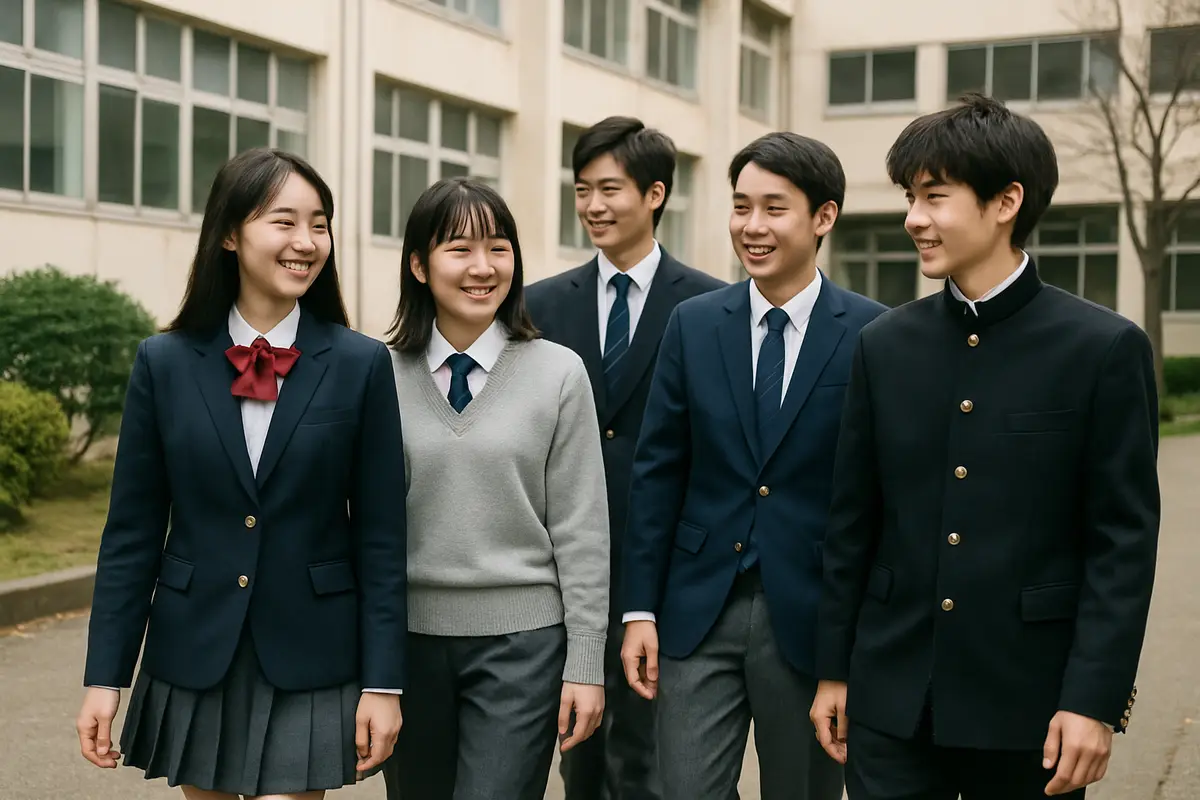
制服を自由に選べる学校が増える

More schools are letting students choose their uniform freely

2

男子も女子も好きな制服を選べる学校が増えています。

The number of schools where both boys and girls can choose the uniform they like is increasing.

3

スカートかズボンを自分で決めることができます。

Students can decide for themselves whether to wear a skirt or trousers.

4

リボンとネクタイも選べます。

They can also choose between a ribbon tie and a necktie.

5

この動きは十年ぐらい前から始まりました。

This movement began about ten years ago.

6

寒い日にズボンをはきたい生徒が多かったからです。

It is because many students wanted to wear trousers on cold days.

7

また、性別で服が決まることに困っている生徒もいました。

There were also students who were troubled by having their clothes decided by gender.

8

ある県では、公立の中学校の半分以上が新しい制服にしました。

In one prefecture, more than half of the public junior high schools switched to the new uniform.

9

学校の先生は「生徒が自分で選べるようになって、学校に来やすくなったと思います」と話しています。

A teacher says, "Now that students can choose for themselves, I think it has become easier for them to come to school."

10

制服の値段が高いという問題も残っています。

The problem that uniforms are expensive also remains.

11

国は、安く買える方法を考えています。

The government is considering ways to make them cheaper to buy.

制服せいふく自由じゆうえらべる学校がっこうえる1

2026年08月29日 19:17

著者: jpreader

制服を自由に選べる学校が増える

この画像はAIで生成され、学習目的で使用されています。

This image is AI-generated and used for educational purposes.

男子だんし女子じょし制服せいふくえらべる学校がっこうています2スカートズボン自分じぶんことができます3リボンネクタイえらべます4

このうご十年じゅうねんぐらいまえからはじまりました5さむズボンはきたい生徒せいとおおかったからです6。また、性別せいべつふくまることにこまている生徒せいといました7。あるけんでは、公立こうりつ中学校ちゅうがっこう半分はんぶん以上いじょうあたらしい制服せいふくにしました8

学校がっこう先生せんせいは「生徒せいと自分じぶんえらべるようになって、学校がっこうやすくなったとおもいます」とはなています9制服せいふく値段ねだんたかという問題もんだいのこています10くには、やすえる方法ほうほうかんがています11

Discussion

00

to rate or comment.

No comments yet.