九月一日は「防災の日」です2。全国の学校や会社で、地震や台風に備える訓練が行われました3。今年は特に、二十代や三十代の参加者が目立ちました4。
ある市の訓練では、参加者が水や食料を運ぶ練習をしました5。スマートフォンで避難場所を調べる方法も習いました6。市の担当者は「若い人が参加すると、地域全体が助かります」と話しました7。
大きな地震はいつ起こるか分かりません8。専門家は、家族と連絡の取り方を決めておくことが大切だと言っています9。水や食べ物を三日分用意しておくと安心です10。
(ぼうさい)
disaster prevention
(くんれん)
training / drill
(さんか)
participation
(わかもの)
young people
(ふえる)
to increase; to grow
(くがつついたち)
September 1st
(ひ)
day
(ぜんこく)
nationwide; the whole country
(がっこう)
school
(かいしゃ)
company
(じしん)
earthquake
(たいふう)
typhoon
(そなえる)
to prepare; to provide against
(おこなう)
to carry out, to perform
(ことし)
this year
(とくに)
especially / particularly
(にじゅうだい)
people in their twenties
(さんじゅうだい)
people in their thirties
(さんかしゃ)
participant, attendee
(めだつ)
to stand out, to be noticeable
(ある)
a certain (some)
(し)
city
(みず)
water
(しょくりょう)
food, provisions
(はこぶ)
to carry; to transport
(れんしゅう)
practice, training
(すまーとふぉん)
smartphone
(ひなんばしょ)
evacuation site; shelter
(しらべる)
to investigate; to survey
(ほうほう)
method; way
(ならう)
To learn; to take lessons in
(たんとうしゃ)
person in charge
(わかい)
young
(ひと)
person / people
(ちいき)
region; area
(ぜんたい)
the whole / overall
(たすかる)
to be saved, survive
(はなす)
to speak, talk
(おおきな)
big (attrib.)
(いつ)
when
(おこる)
to occur, to happen
(わかる)
to understand, be clear
(せんもんか)
expert, specialist
(かぞく)
family
(れんらく)
contact, communication
(とる)
to take
(きめる)
to decide
(たいせつ)
important
(いう)
to say
(たべもの)
food
(みっかぶん)
three days' worth
(ようい)
preparation; readiness
(あんしん)
relief / peace of mind
passive: is/was done
The passive puts the action itself in focus instead of the doer. 訓練が行われました says the drills 'were held', without naming who ran them.
訓練が行われました。
A drill was held.
会議は九月に開かれます。
The meeting will be held in September.
if / when (natural consequence)
Conditional と indicating a natural or expected result. 一緒に捨てると…火が出て means 'if you throw them away together, fire starts.'
ボタンを押すと、ドアが開きます。
When you press the button, the door opens.
春になると、桜が咲きます。
When spring comes, cherry blossoms bloom.
embedded question: where / what / whether
A question word plus か can sit inside a larger sentence as its object. どこに使うか、決めること means deciding the question "where should it be spent?".
予算をどこに使うか、決めます。
We decide where to spend the budget.
だれが来るか、わかりません。
I do not know who is coming.
何を買うか、まだ考えています。
I am still thinking about what to buy.
way of doing
Verb stem + 方 expresses the way or manner of doing something. 歩き方 means 'way of walking', one of the things buyers inspected.
この漢字の読み方を教えてください。
Please tell me how to read this kanji.
彼の話し方はやさしいです。
His way of speaking is gentle.
Do ~ in advance (preparation)
Indicates doing something in advance for future readiness. Companies need to decide procedures in advance.
旅行の前にホテルを予約しておく。
I book a hotel in advance before the trip.
to say that ...
Quotation pattern. と marks the quoted content, followed by 言う (to say). Used for both direct and indirect speech.
先生は明日休みだと言いました。
The teacher said tomorrow is a day off.
母は早く帰ってきてと言った。
My mother said to come home early.
彼はもう行かないと言っています。
He says he won't go anymore.
is doing, has been doing (ongoing state/action)
Expresses a continuing action or resulting state. Formed with て-form + いる. Can describe an action in progress or a state resulting from a past change.
今、ご飯を食べています。
I am eating rice now.
東京に住んでいます。
I live in Tokyo.
ドアが開いています。
The door is open.
防災訓練に参加する若者が増える
More young people are taking part in disaster drills
九月一日は「防災の日」です。
September 1st is 'Disaster Prevention Day.'
全国の学校や会社で、地震や台風に備える訓練が行われました。
At schools and companies across the country, drills to prepare for earthquakes and typhoons were held.
今年は特に、二十代や三十代の参加者が目立ちました。
This year, participants in their twenties and thirties stood out in particular.
ある市の訓練では、参加者が水や食料を運ぶ練習をしました。
At one city's drill, participants practiced carrying water and food.
スマートフォンで避難場所を調べる方法も習いました。
They also learned how to look up evacuation sites on a smartphone.
市の担当者は「若い人が参加すると、地域全体が助かります」と話しました。
A city official said, 'When young people take part, the whole community benefits.'
大きな地震はいつ起こるか分かりません。
There is no telling when a big earthquake will strike.
専門家は、家族と連絡の取り方を決めておくことが大切だと言っています。
Experts say it is important to decide in advance how you will contact your family.
水や食べ物を三日分用意しておくと安心です。
Preparing three days' worth of water and food in advance gives you peace of mind.
2026年09月03日 19:20
著者: jpreader
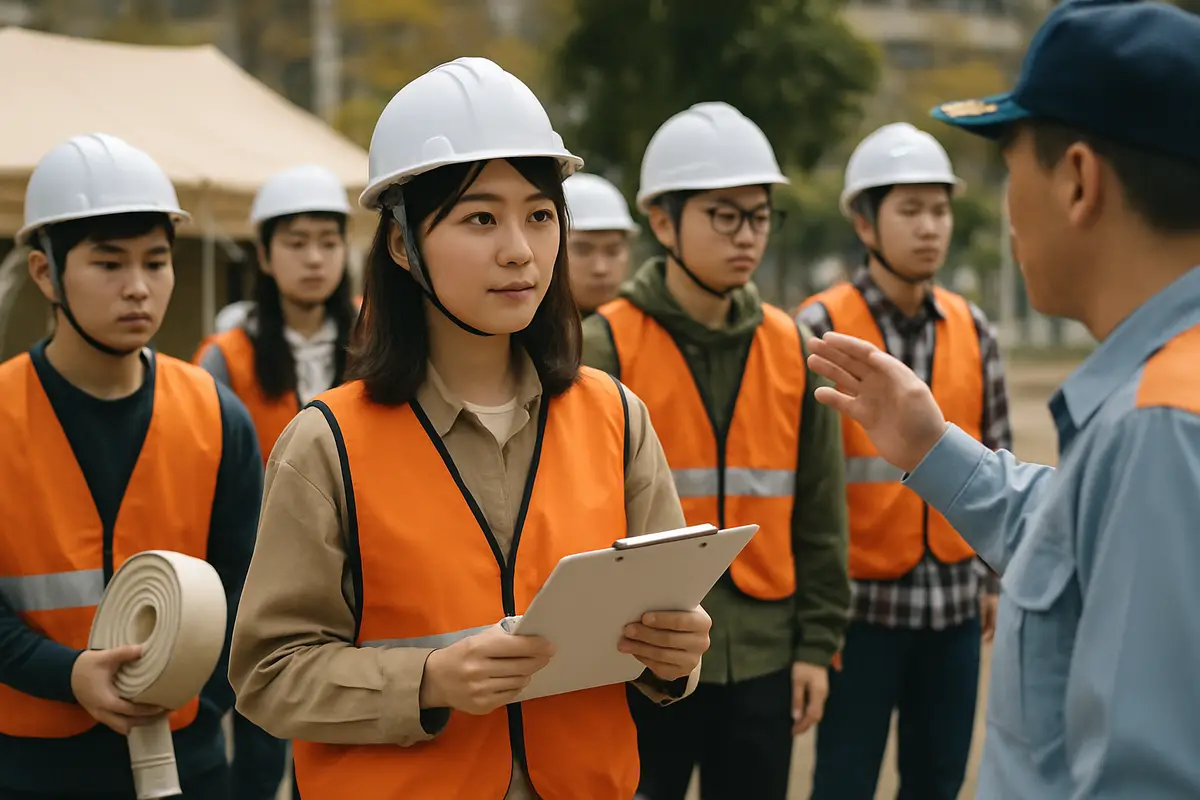
この画像はAIで生成され、学習目的で使用されています。
This image is AI-generated and used for educational purposes.
九月一日は「防災の日」です2。全国の学校や会社で、地震や台風に備える訓練が行われました3。今年は特に、二十代や三十代の参加者が目立ちました4。
ある市の訓練では、参加者が水や食料を運ぶ練習をしました5。スマートフォンで避難場所を調べる方法も習いました6。市の担当者は「若い人が参加すると、地域全体が助かります」と話しました7。
大きな地震はいつ起こるか分かりません8。専門家は、家族と連絡の取り方を決めておくことが大切だと言っています9。水や食べ物を三日分用意しておくと安心です10。
Discussion
to rate or comment.
No comments yet.