(かいすいおん)
sea water temperature
(とれる)
to be harvested, to be obtained
(まわり)
Surroundings; people around; vicinity
(えいきょう)
Influence; impact; effect
(かくち)
various places, everywhere
(ぶり)
yellowtail, amberjack
(はんたい)
opposition; against
(りょう)
Quantity; amount; volume
(へる)
to decrease / to diminish
(じもと)
local / one's hometown
(なれる)
to get used to; to become accustomed
(わかる)
to understand, be clear
(しょうかい)
introduction, presentation
(せんもんか)
expert, specialist
(こんご)
from now on; in the future
(けんきゅうきかん)
research institution
(ぎょぎょうしゃ)
fisher; person in the fishing industry
(しくみ)
structure, system, mechanism
(よそく)
prediction; to predict
(へらす)
to reduce; to decrease
to continue doing ...
Verb stem + 続ける expresses continuing an action. The て-form あげ続ける means 'continue giving'. A common compound verb pattern.
3時間、走り続けました。
I kept running for 3 hours.
毎日、勉強し続けています。
I keep studying every day.
彼は話し続けた。
He kept on talking.
come toward (action approaching)
Indicates motion toward the speaker or a location. Here it describes rocks flying toward people.
鳥が飛んできた。
A bird flew toward (us).
雨が降ってきた。
It started raining.
potential / can (ru-verb)
The potential form expresses ability or possibility. Here, used in the negative, it describes elderly people who cannot quit driving.
運転をやめられない。
Cannot quit driving.
朝早く起きられない。
Cannot get up early.
come to / reach the point where
Indicates a change in state or ability.
運転できるようになった。
Trains became able to run.
日本語が話せるようになりました。
I became able to speak Japanese.
is doing, has been doing (ongoing state/action)
Expresses a continuing action or resulting state. Formed with て-form + いる. Can describe an action in progress or a state resulting from a past change.
今、ご飯を食べています。
I am eating rice now.
東京に住んでいます。
I live in Tokyo.
ドアが開いています。
The door is open.
plural suffix (for people)
Pluralizing suffix attached to nouns referring to people.
in accordance with / in time with
Means 'matching/syncing with'. Here fireworks are launched in sync with music.
音楽に合わせて空に上がる。
They go up into the sky in sync with the music.
音楽に合わせて踊ります。
I dance to the music.
need to / necessary to
Expresses necessity. Here it states that congressional discussion is required by law for military attacks.
議会で話し合う必要がある。
It is necessary to discuss it in Congress.
勉強する必要があります。
You need to study.
called/named ~
Used to introduce or name something. In this article, 「鳥貴族」という店 means 'a store called Torikizoku'.
田中という人を知っていますか。
Do you know a person called Tanaka?
これは寿司という料理です。
This is a dish called sushi.
because of, due to
Indicates a reason or cause. More formal than から or ので. Can follow nouns (の + ため) or plain-form verbs/adjectives.
病気のため、学校を休みました。
I was absent from school because of illness.
雨が降ったため、試合は中止です。
The game was cancelled because it rained.
勉強するため、図書館に行きます。
I go to the library in order to study.
doing things like ~ and ~
Lists representative actions among several. Implies there are other actions too. Used twice in this article.
週末は本を読んだり映画を見たりします。
On weekends I do things like read books and watch movies.
歌ったり踊ったりして楽しんだ。
We had fun singing and dancing.
conditional: if ~
Ba-form conditional expressing 'if ~ then ~'.
勉強すれば、合格できる。
If you study, you can pass.
早く起きれば間に合う。
If you wake up early, you'll make it.
1
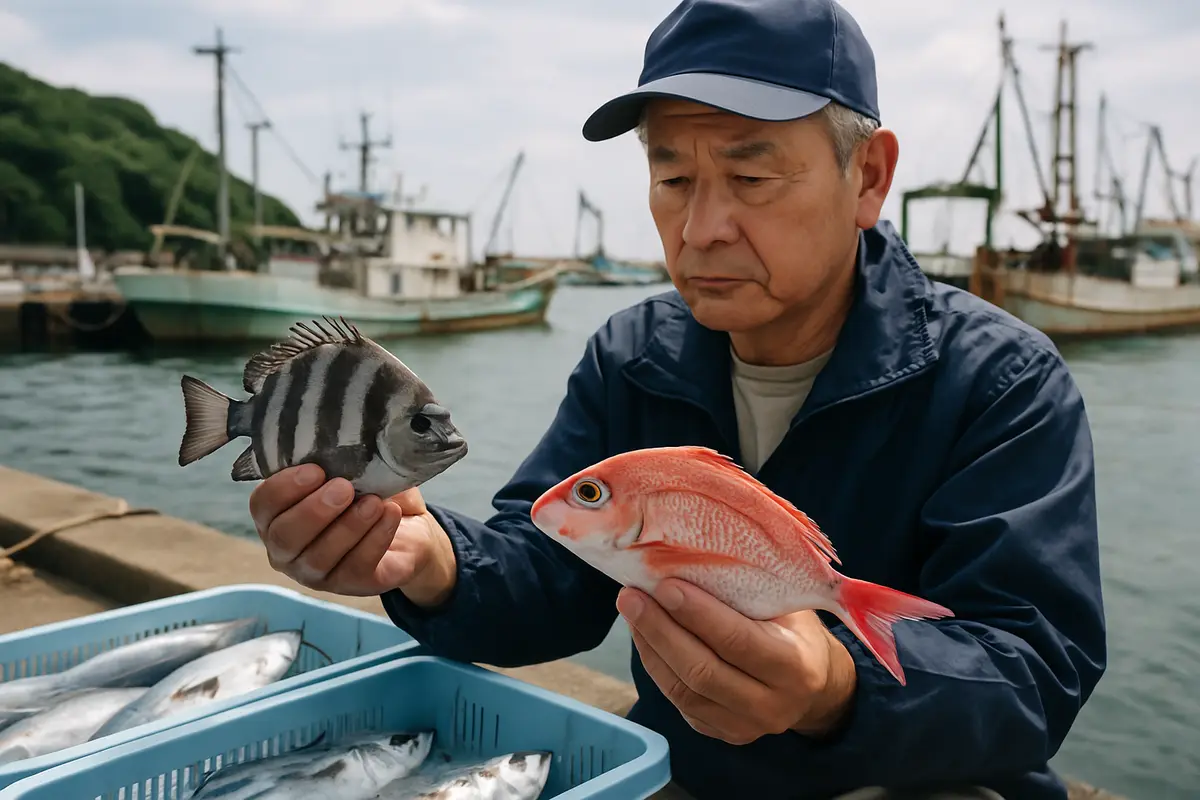
海水温の上昇で取れる魚が変わる
Rising sea temperatures are changing which fish get caught
2
日本の周りの海で、水温が上がり続けています。
In the seas around Japan, water temperatures keep rising.
3
その影響で、各地の港で取れる魚の種類が変わってきました。
As a result, the kinds of fish landed at ports around the country have been changing.
4
北海道では、これまでほとんど見られなかったブリがたくさん取れるようになりました。
In Hokkaido, yellowtail, which was hardly ever seen there before, has come to be caught in large numbers.
5
反対に、サンマやサケが取れる量は大きく減っています。
Conversely, the amount of Pacific saury and salmon being caught has fallen sharply.
6
漁師たちは、新しい魚に合わせて漁の方法や道具を変える必要があります。
Fishermen need to change their fishing methods and equipment to suit the new fish.
7
しかし、地元では慣れない魚をどう料理するか分からないという声もあります。
However, there are also local voices saying that they do not know how to cook fish they are not used to.
8
そのため、県や市は新しい魚を使った料理を紹介したり、加工品を開発したりしています。
For that reason, prefectures and cities are doing things like introducing dishes made with the new fish and developing processed products.
9
専門家は「海の変化は今後も続く可能性が高い」と話しています。
Experts say, "There is a strong possibility that the changes in the sea will continue in the years ahead."
10
研究機関は水温のデータを集め、漁業者に情報を届ける仕組みを作っています。
Research institutions are collecting water-temperature data and building a system to deliver the information to fishery workers.
11
魚が取れる場所を予測できれば、燃料の無駄も減らせると期待されています。
It is hoped that if the places where fish can be caught can be predicted, wasted fuel can also be reduced.
Discussion
to rate or comment.
No comments yet.