東京の動物園にいるパンダが、中国に帰ることになりました2。日本と中国の約束で、パンダは中国のものです3。生まれた子どもも、大きくなったら中国に帰ります4。
このパンダは四歳です5。毎日、たくさんの人が見に来ました6。名前は日本の子どもたちが決めました7。動物園の人は「元気に大きくなってほしいです」と話しました8。
帰る日は来月です9。動物園は、その前に特別な部屋を作りました10。ファンは「さびしいですが、中国でも元気でいてほしいです」と言いました11。
(とうきょう)
Tokyo
(どうぶつえん)
zoo
(いる)
to exist, to be (animate)
(ぱんだ)
panda
(ちゅうごく)
China
(かえる)
to return home
(にほん)
Japan
(やくそく)
promise; agreement
(もの)
thing
(うまれる)
to be born
(こども)
child
(おおきい)
big; large
(よんさい)
four years old
(まいにち)
every day
(たくさん)
a lot / many
(ひと)
person / people
(みる)
to see, watch
(なまえ)
name
(きめる)
to decide
(げんき)
Healthy; energetic; lively
(はなす)
to speak, talk
(ひ)
day
(らいげつ)
next month
(まえ)
before, previous
(とくべつ)
Special; particular
(へや)
room
(つくる)
to make
(ふぁん)
fan (supporter)
(さびしい)
lonely, sad to see (someone) go
(いう)
to say
it has been decided that
Expresses a decision or circumstance that was decided externally or by circumstance.
転勤することになりました。
I have been transferred.
結婚することになった。
We decided to marry.
to become (い-adjective)
Expresses a change of state for い-adjectives. Drop the final い and add くなる. Indicates something has changed or will change to a new state.
寒くなりました。
It has gotten cold.
日本語が上手になりました。
My Japanese has gotten better.
値段が高くなりました。
The price became expensive.
if ..., when ...
Conditional form indicating 'if' or 'when' something happens. Formed by adding ら to the た-form of a verb. Expresses a hypothetical or temporal condition.
雨が降ったら、行きません。
If it rains, I won't go.
お金があったら、旅行したいです。
If I had money, I'd like to travel.
終わったら、電話してください。
When you're done, please call me.
come to do ~
Expresses purpose of coming. Please come to see (them).
食事に来ます。
I come to eat.
遊びに来ました。
I came to play.
want (someone) to do ...
Expresses a wish for someone else to do something. Formed with て-form + ほしい. The person you want to act is marked with に.
静かにしてほしい。
I want you to be quiet.
もう少し待ってほしいです。
I'd like you to wait a bit more.
先生に説明してほしいです。
I want the teacher to explain.
Even ~; also at ~
Particle でも after a noun means 'even' or 'also at.' 首相官邸の庭でも means 'even at the Prime Minister's residence garden.'
子供でもわかります。
Even a child can understand.
パンダが中国に帰ることになった
It has been decided that the panda will return to China
東京の動物園にいるパンダが、中国に帰ることになりました。
It has been decided that a panda at a zoo in Tokyo will return to China.
日本と中国の約束で、パンダは中国のものです。
Under an agreement between Japan and China, the pandas belong to China.
生まれた子どもも、大きくなったら中国に帰ります。
Cubs born here also return to China once they have grown up.
このパンダは四歳です。
This panda is four years old.
毎日、たくさんの人が見に来ました。
Every day, many people came to see it.
名前は日本の子どもたちが決めました。
Its name was chosen by children in Japan.
動物園の人は「元気に大きくなってほしいです」と話しました。
A person from the zoo said, "We want it to grow up healthy."
帰る日は来月です。
The day it goes back is next month.
動物園は、その前に特別な部屋を作りました。
Before that, the zoo built a special room.
ファンは「さびしいですが、中国でも元気でいてほしいです」と言いました。
A fan said, "It is sad, but we want it to stay healthy in China too."
2026年09月05日 19:15
著者: jpreader
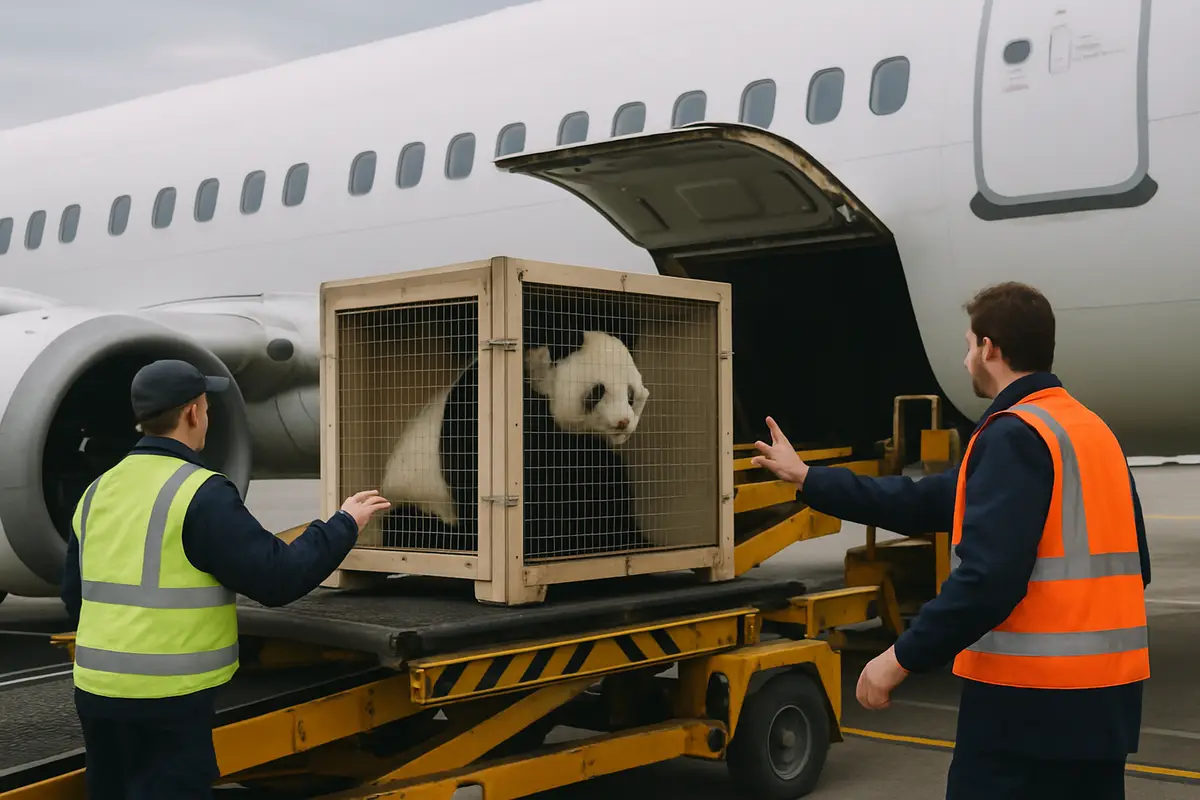
この画像はAIで生成され、学習目的で使用されています。
This image is AI-generated and used for educational purposes.
東京の動物園にいるパンダが、中国に帰ることになりました2。日本と中国の約束で、パンダは中国のものです3。生まれた子どもも、大きくなったら中国に帰ります4。
このパンダは四歳です5。毎日、たくさんの人が見に来ました6。名前は日本の子どもたちが決めました7。動物園の人は「元気に大きくなってほしいです」と話しました8。
帰る日は来月です9。動物園は、その前に特別な部屋を作りました10。ファンは「さびしいですが、中国でも元気でいてほしいです」と言いました11。
Discussion
to rate or comment.
No comments yet.