Expresses a continuing action or resulting state. Formed with て-form + いる/います. Can describe an action in progress or a state that continues from a past change.
今、本を読んでいます。
I am reading a book now.
窓が開いています。
The window is open.
日本に住んでいます。
I live in Japan.
~と(条件)
N4
if / when (natural consequence)
Conditional と indicating a natural or expected result. 一緒に捨てると…火が出て means 'if you throw them away together, fire starts.'
ボタンを押すと、ドアが開きます。
When you press the button, the door opens.
春になると、桜が咲きます。
When spring comes, cherry blossoms bloom.
~ことがあります
N4
there are times when ~
Describes occasional occurrences or possibilities. Used to say large rocks can sometimes fly out during eruptions.
時々学校に遅れることがあります。
Sometimes I'm late to school.
京都へ行くことがあります。
There are times I go to Kyoto.
~て(原因・きっかけ)
N4
~ and so / because of ~ing
感じて感動しました uses the て-form to link cause: feeling the power of life and being moved by it.
命の力を感じて感動しました。
I felt the power of life and was moved.
ニュースを聞いて驚きました。
I heard the news and was surprised.
~くなる
N4
to become (い-adjective)
Expresses a change of state for い-adjectives. Drop the final い and add くなる. Indicates something has changed or will change to a new state.
寒くなりました。
It has gotten cold.
日本語が上手になりました。
My Japanese has gotten better.
値段が高くなりました。
The price became expensive.
~によると
N3
according to ...
Cites a source of information. The noun before によると is the source. Often followed by a reported statement.
天気予報によると、明日は雨です。
According to the weather forecast, it will rain tomorrow.
ニュースによると、地震がありました。
According to the news, there was an earthquake.
先生によると、テストは来週です。
According to the teacher, the test is next week.
~た (relative clause)
N4
past modifier
梅を使ったお酒 and 取ったばかりの modify nouns with past-tense verbs.
昨日買った本。
The book I bought yesterday.
彼が作った料理。
The dish he made.
~ました
N5
did ... (polite past)
Polite past tense of verbs. Formed with verb stem + ました. Used in formal or polite speech to describe completed actions.
昨日、映画を見ました。
I watched a movie yesterday.
朝ごはんを食べました。
I ate breakfast.
友達が来ました。
A friend came.
~があります
N5
there is / have (an event)
Used to state the existence of events or inanimate things. In the article, it describes the existence of a deciding match and the closing ceremony.
明日、会議があります。
There is a meeting tomorrow.
部屋に机があります。
There is a desk in the room.
~ための
N3
in order to, for the purpose of
Expresses purpose. Formed with verb dictionary form + ための + noun, or noun + のための + noun. Modifies the following noun to indicate its purpose.
試験のための勉強をしています。
I am studying for the exam.
健康のために運動します。
I exercise for my health.
日本語を勉強するための本を買いました。
I bought a book for studying Japanese.
~もある
N4
there are as many as ~
Emphasizes a large quantity. 'There are as many as 140 kinds'.
学生は100人もいます。
There are as many as 100 students.
10時間もかかった。
It took as much as 10 hours.
~なくても
N4
even without ~ / even if not ~
Negative te-form with も meaning even if not. Here 予約をしなくても (even without making a reservation).
行かなくてもいい。
You don't have to go.
食べなくても大丈夫。
It's OK even without eating.
~ようにする
N4
to make sure that, to ensure that
Expresses the goal of bringing about a certain state or preventing something. Formed with verb plain form + ようにする. Often used to describe efforts to ensure or prevent something.
毎日野菜を食べるようにしています。
I make sure to eat vegetables every day.
遅刻しないようにしてください。
Please make sure not to be late.
忘れないようにメモを書きました。
I wrote a note so I wouldn't forget.
~ないと
N4
if ~ not / must ~
Negative conditional implying necessity or negative outcome.
早く行かないと遅れる
If I don't go quickly, I'll be late
~たい
N5
want to ~
Verb stem + たい to express desire.
日本に行きたい。
I want to go to Japan.
水を飲みたいです。
I want to drink water.
1
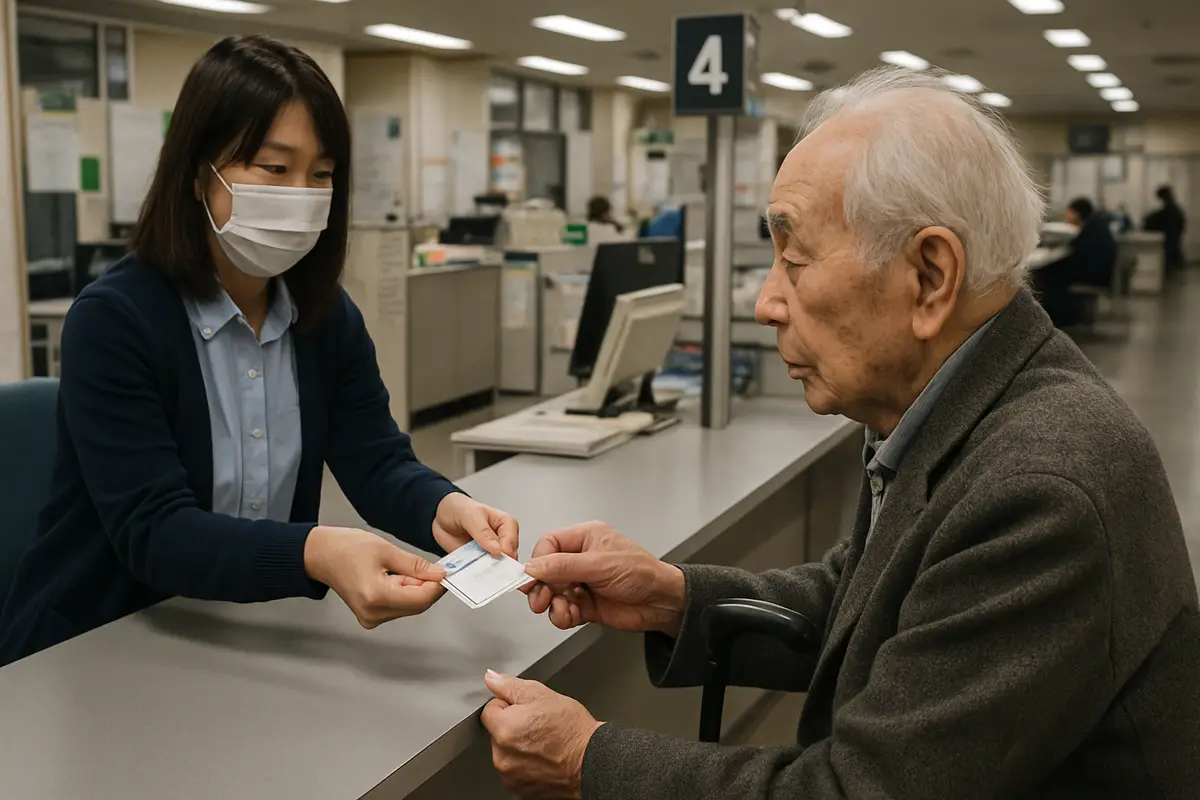
運転免許を返す高齢者が増える
More elderly people are handing back their driver's licences
2
日本では、車の運転をやめる高齢者が増えています。
In Japan, the number of elderly people who give up driving is increasing.
3
年を取ると、目や耳の力が弱くなることがあります。
As people grow older, their eyesight and hearing can become weaker.
4
事故を心配して、自分から免許を返す人が多くなりました。
Worried about accidents, more and more people are handing back their licences of their own accord.
5
警察によると、去年、免許を返した人は全国で四十万人を超えました。
According to the police, the number of people who returned their licences last year exceeded 400,000 nationwide.
6
免許を返した人に、バスやタクシーの割引券をあげる市があります。
There are cities that give discount tickets for buses and taxis to people who have returned their licences.
7
買い物に行くための車を用意する町もあります。
There are also towns that provide a vehicle for going shopping.
8
車がなくても生活できるようにするためです。
This is to make it possible for people to live their daily lives even without a car.
9
しかし、電車やバスが少ない地方では、車がないと不便です。
However, in rural areas with few trains and buses, life is inconvenient without a car.
10
ある市の担当者は「安全と生活の両方を守る方法を考えたい」と話しています。
An official in one city says, "We want to find a way to protect both safety and daily life."
運転免許を返す高齢者が増える1
2026年09月07日 19:16
著者: jpreader
この画像はAIで生成され、学習目的で使用されています。
This image is AI-generated and used for educational purposes.
Discussion
to rate or comment.
No comments yet.