Expresses a continuing action or resulting state. Formed with て-form + いる. Can describe an action in progress or a state resulting from a past change.
今、ご飯を食べています。
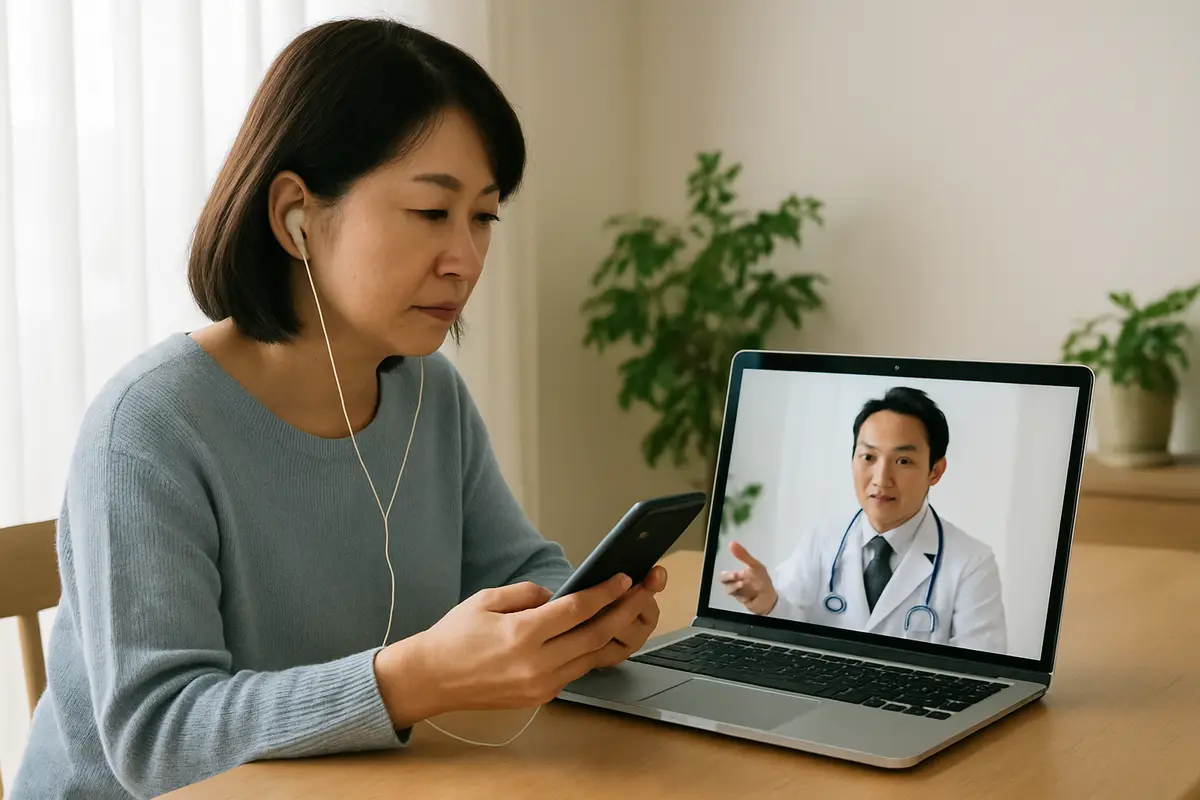
I am eating rice now.
東京に住んでいます。
I live in Tokyo.
ドアが開いています。
The door is open.
~によると
N3
according to ...
Cites a source of information. The noun before によると is the source. Often followed by a reported statement.
天気予報によると、明日は雨です。
According to the weather forecast, it will rain tomorrow.
ニュースによると、地震がありました。
According to the news, there was an earthquake.
先生によると、テストは来週です。
According to the teacher, the test is next week.
~より
N5
than / more than
Indicates comparison. Used to say prices rose on average 2.8% compared to last year.
去年より寒い。
Colder than last year.
彼より背が高い。
Taller than him.
~ました
N5
did ... (polite past)
Polite past tense of verbs. Formed with verb stem + ました. Used in formal or polite speech to describe completed actions.
昨日、映画を見ました。
I watched a movie yesterday.
朝ごはんを食べました。
I ate breakfast.
友達が来ました。
A friend came.
~や
N5
and (non-exhaustive list)
や lists representative examples — Shikoku and Kyushu among other regions (四国や九州).
りんごやみかんを買った。
I bought apples and oranges (among others).
東京や大阪は大きい都市だ。
Tokyo and Osaka are big cities.
~です
N5
polite copula / is, am, are
Describes states such as the mother panda being healthy and the baby being small.
これは本です。
This is a book.
今日は寒いです。
It is cold today.
~ます
N5
polite non-past tense
The polite non-past ~ます states what will happen — the funeral will continue.
葬式は続きます。
The funeral will continue.
明日行きます。
I will go tomorrow.
~なら
N4
if it is ~ / in the case of ~
Noun + なら picks up a topic and states what is true in that case: with online care (as opposed to visiting), you need no train or bus.
オンライン診療なら、家で診察を受けられます。
With online care, you can be examined at home.
電車なら三十分で着きます。
If you take the train, you will arrive in thirty minutes.
~ないで
N4
without doing; don't do
Negative te-form used to indicate doing something without another action, or as a soft command.
朝ご飯を食べないで学校に行きました。
I went to school without eating breakfast.
心配しないでください。
Please don't worry.
~ことができる
N4
can do ..., to be able to ...
Verb dictionary form + ことができる expresses ability or possibility. More formal than the potential verb form. Common in written Japanese and announcements.
日本語を話すことができます。
I can speak Japanese.
ここで写真を撮ることができます。
You can take photos here.
インターネットで予約することができます。
You can make a reservation on the internet.
~てもらう
N4
have someone do (for me)
Expresses receiving a favor/action from someone.
助けてもらって本当にありがとうございます。
Thank you so much for helping us.
教えてもらいました。
I had them teach me.
一方で
N2
on the other hand
Introduces the opposing concern: 一方で、心配する声もある.
一方で、心配する声もある。
On the other hand, there are also voices of concern.
便利だが、一方で危険もある。
It's convenient, but on the other hand there is danger.
~だけ
N5
only ~
Limiter particle. 女性だけが宇宙船に乗りました means 'only women boarded the spaceship.'
私だけが知っています。
Only I know.
水だけ飲みました。
I only drank water.
~にくい
N3
hard to ~; difficult to ~
Attached to a verb stem to describe difficulty — 'people who have difficulty hearing'.
読みにくい
hard to read
食べにくい
hard to eat
~ながら
N4
while doing ...
Verb stem + ながら indicates doing two things simultaneously. The action before ながら is the secondary action; the main action follows.
音楽を聞きながら勉強します。
I study while listening to music.
歩きながら話しましょう。
Let's talk while walking.
テレビを見ながらごはんを食べます。
I eat while watching TV.
~ていく
N3
to go on doing / continue to (from now)
In '増えていく' – 'will continue to increase (into the future)'. Indicates continuing trend going forward.
これから寒くなっていく。
From now on, it will become colder.
日本語を勉強していきたい。
I want to continue studying Japanese.
1
オンライン診療を使う人が増える
More people are using online medical consultations
2
家からスマートフォンやパソコンで医者に相談できる「オンライン診療」が広がっています。
"Online medical care", which lets you consult a doctor from home by smartphone or computer, is spreading.
3
厚生労働省によると、この方法を取り入れた病院や診療所は、去年より増えました。
According to the Ministry of Health, Labour and Welfare, the number of hospitals and clinics that have adopted this approach rose compared with last year.
4
特に山や島の地域では、近くに病院が少ないです。
In mountain and island areas in particular, there are few hospitals nearby.
5
バスや車で長い時間かけて通う人もいます。
Some people spend a long time travelling there by bus or car.
6
オンライン診療なら、移動しないで医者の話を聞くことができます。
With online consultations, you can hear what the doctor has to say without having to travel.
7
薬を家に届けてもらえる場合もあります。
In some cases you can even have your medicine delivered to your home.
8
一方で、問題もあります。
On the other hand, there are problems too.
9
画面だけでは体の様子が分かりにくいことがあります。
Through a screen alone, it can be hard to tell how a patient's body is doing.
10
インターネットの使い方が苦手な高齢者も多いです。
There are also many elderly people who are not comfortable using the internet.
11
国は、安全に使えるルールを作りながら、少しずつ進めていく考えです。
The government intends to move ahead step by step while drawing up rules for safe use.
オンライン診療を使う人が増える1
2026年09月09日 19:21
著者: jpreader
この画像はAIで生成され、学習目的で使用されています。
This image is AI-generated and used for educational purposes.
More people are using online medical consultations
2
"Online medical care", which lets you consult a doctor from home by smartphone or computer, is spreading.
3
According to the Ministry of Health, Labour and Welfare, the number of hospitals and clinics that have adopted this approach rose compared with last year.
4
In mountain and island areas in particular, there are few hospitals nearby.
5
Some people spend a long time travelling there by bus or car.
6
With online consultations, you can hear what the doctor has to say without having to travel.
7
In some cases you can even have your medicine delivered to your home.
8
On the other hand, there are problems too.
9
Through a screen alone, it can be hard to tell how a patient's body is doing.
10
There are also many elderly people who are not comfortable using the internet.
11
The government intends to move ahead step by step while drawing up rules for safe use.
Discussion
to rate or comment.
No comments yet.