町の中の小さい畑を借りて、野菜を作る人が増えています2。この畑を「市民農園」と言います3。市や町が土地を用意して、近くに住む人に貸します4。使いたい人が多くて、順番を待つこともあります5。
使う人は、春にトマトやきゅうりの苗を植えます6。夏になると、野菜が大きくなります7。自分で作った野菜は、店で買う野菜より新しいです8。子どもと一緒に来る家族も多いです9。
畑で会った人と話をする人もいます10。市の人は「野菜を作るのは楽しいです11。近所の人と友だちになることもできます」と話しています12。
(まち)
town
(はたけ)
Farm field; cultivated field
(やさい)
vegetables
(つくる)
to make
(ひと)
person / people
(ふえる)
to increase; to grow
(なか)
inside
(ちいさい)
small
(かりる)
to borrow
(しみんのうえん)
community garden, allotment garden
(し)
city
(とち)
land, plot of land
(ようい)
preparation; readiness
(ちかく)
nearby
(すむ)
to live; to reside
(かす)
to lend
(つかう)
to use
(おおい)
many
(じゅんばん)
order; turn; ranking
(まつ)
to wait
(はる)
spring
(とまと)
tomato
(きゅうり)
cucumber
(なえ)
seedling, young plant
(うえる)
to plant
(なつ)
Summer
(おおきい)
big; large
(じぶん)
oneself
(みせ)
shop, store
(かう)
to buy
(あたらしい)
new
(こども)
child
(いっしょに)
together
(くる)
to come
(かぞく)
family
(あう)
to meet
(はなす)
to speak, talk
(たのしい)
fun, enjoyable
(きんじょ)
neighborhood
(ともだち)
friend
and / by doing (means)
The te-form connects clauses; here it expresses the means by which the teacher creates problems (by using AI).
電車に乗って行きます。
I will go by train.
辞書を使って調べます。
I look it up using a dictionary.
is doing, has been doing (ongoing state/action)
Expresses a continuing action or resulting state. Formed with て-form + いる. Can describe an action in progress or a state resulting from a past change.
今、ご飯を食べています。
I am eating rice now.
東京に住んでいます。
I live in Tokyo.
ドアが開いています。
The door is open.
called/named ~
Used to introduce or name something. In this article, 「鳥貴族」という店 means 'a store called Torikizoku'.
田中という人を知っていますか。
Do you know a person called Tanaka?
これは寿司という料理です。
This is a dish called sushi.
want to ~
Verb stem + たい to express desire.
日本に行きたい。
I want to go to Japan.
水を飲みたいです。
I want to drink water.
there are cases/times when ~
Describes a possibility or occasional occurrence.
遅れることもある。
Sometimes I'm late.
雨が降ることもあります。
It sometimes rains.
to become
Expresses a change of state; Kawai became the new commissioner of the Sports Agency.
新しい長官になりました。
He became the new commissioner.
目が見えなくなりました。
He became unable to see.
to become (い-adjective)
Expresses a change of state for い-adjectives. Drop the final い and add くなる. Indicates something has changed or will change to a new state.
寒くなりました。
It has gotten cold.
日本語が上手になりました。
My Japanese has gotten better.
値段が高くなりました。
The price became expensive.
than / more than
Indicates comparison. Used to say prices rose on average 2.8% compared to last year.
去年より寒い。
Colder than last year.
彼より背が高い。
Taller than him.
The one that ~; what ~ is
Nominalizer の followed by the topic marker は, used to turn a clause into a noun phrase that serves as the topic of the sentence.
私が好きなのは寿司です。
What I like is sushi.
can do ..., to be able to ...
Verb dictionary form + ことができる expresses ability or possibility. More formal than the potential verb form. Common in written Japanese and announcements.
日本語を話すことができます。
I can speak Japanese.
ここで写真を撮ることができます。
You can take photos here.
インターネットで予約することができます。
You can make a reservation on the internet.
町の畑で野菜を作る人が増える
More people are growing vegetables in fields in town
町の中の小さい畑を借りて、野菜を作る人が増えています。
The number of people who rent a small field in town and grow vegetables is increasing.
この畑を「市民農園」と言います。
These fields are called "shimin nouen" (community gardens).
市や町が土地を用意して、近くに住む人に貸します。
Cities and towns provide the land and rent it to people who live nearby.
使いたい人が多くて、順番を待つこともあります。
There are many people who want to use them, so sometimes you have to wait your turn.
使う人は、春にトマトやきゅうりの苗を植えます。
The people who use them plant tomato and cucumber seedlings in spring.
夏になると、野菜が大きくなります。
When summer comes, the vegetables grow big.
自分で作った野菜は、店で買う野菜より新しいです。
Vegetables you have grown yourself are fresher than vegetables you buy at a store.
子どもと一緒に来る家族も多いです。
There are also many families who come together with their children.
畑で会った人と話をする人もいます。
Some people chat with the people they meet at the fields.
市の人は「野菜を作るのは楽しいです。
A city official says, "Growing vegetables is fun.
近所の人と友だちになることもできます」と話しています。
You can also become friends with people in your neighborhood."
2026年09月13日 19:05
著者: jpreader
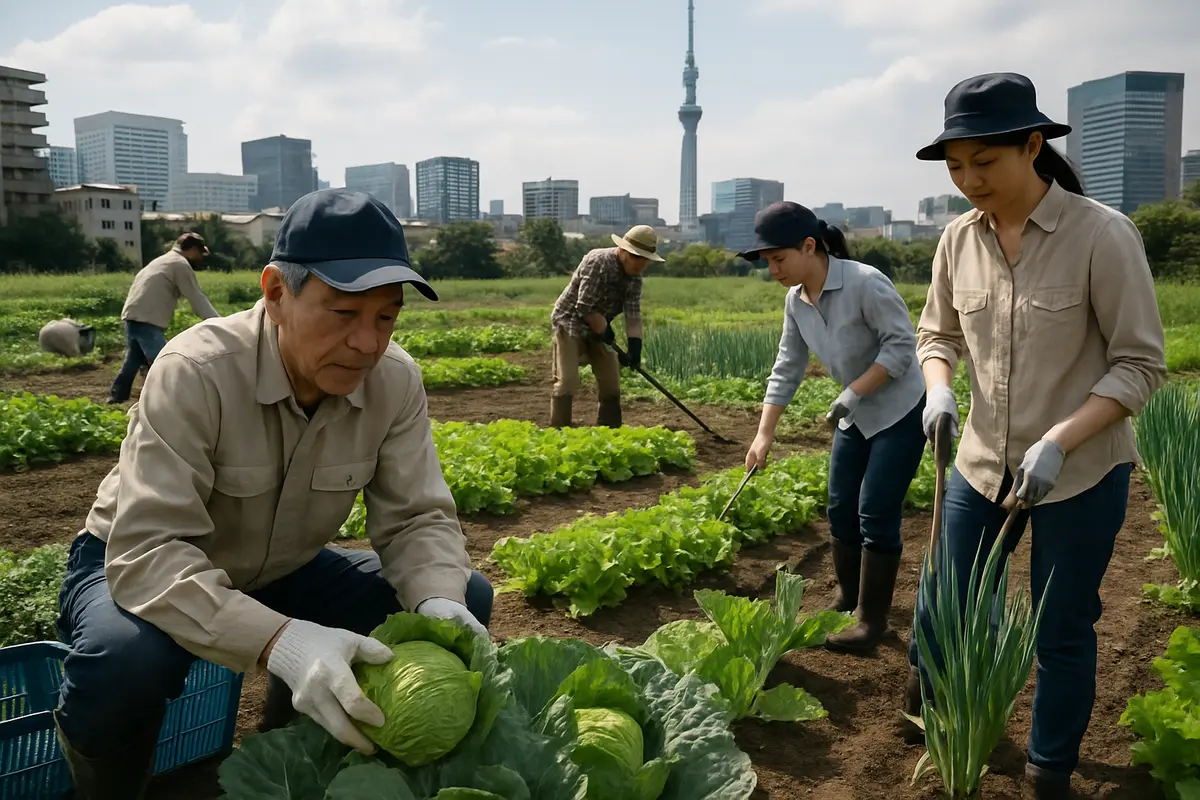
この画像はAIで生成され、学習目的で使用されています。
This image is AI-generated and used for educational purposes.
町の中の小さい畑を借りて、野菜を作る人が増えています2。この畑を「市民農園」と言います3。市や町が土地を用意して、近くに住む人に貸します4。使いたい人が多くて、順番を待つこともあります5。
使う人は、春にトマトやきゅうりの苗を植えます6。夏になると、野菜が大きくなります7。自分で作った野菜は、店で買う野菜より新しいです8。子どもと一緒に来る家族も多いです9。
畑で会った人と話をする人もいます10。市の人は「野菜を作るのは楽しいです11。近所の人と友だちになることもできます」と話しています12。
Discussion
to rate or comment.
No comments yet.