日本にほん
N5

(にほん)

Japan

古いふるい
N5

(ふるい)

old (things)

電車でんしゃ
N5

(でんしゃ)

electric train

外国がいこく
N5

(がいこく)

foreign country

走るはしる
N5

(はしる)

to run

長い間ながいあいだ
N4

(ながいあいだ)

for a long time

使うつかう
N5

(つかう)

to use

送るおくる
N4

(おくる)

to send / to take (someone somewhere)

またまた
N5

(また)

again

鉄道会社てつどうがいしゃ
N2

(てつどうがいしゃ)

railway company

新しいあたらしい
N5

(あたらしい)

new

ものもの
N5

(もの)

thing

換えるかえる
N3

(かえる)

to exchange, to convert

まだまだ
N5

(まだ)

still; yet

動くうごく
N4

(うごく)

to move

アジアあじあ
N4

(あじあ)

Asia

南アメリカみなみあめりか
N3

(みなみあめりか)

South America

くに
N5

(くに)

country; the government

売るうる
N5

(うる)

to sell

会社かいしゃ
N5

(かいしゃ)

company

ひと
N5

(ひと)

person / people

直すなおす
N4

(なおす)

to fix; to repair

線路せんろ
N3

(せんろ)

railway track

はば
N2

(はば)

width, gauge

車輪しゃりん
N1

(しゃりん)

wheel

変えるかえる
N4

(かえる)

to change

行き先いきさき
N2

(いきさき)

destination

言葉ことば
N4

(ことば)

words, language

書くかく
N5

(かく)

to write

案内あんない
N3

(あんない)

guide, information

付けるつける
N4

(つける)

to attach

着くつく
N4

(つく)

to arrive

現地げんち
N2

(げんち)

the site / the local area

運転士うんてんし
N2

(うんてんし)

(train) driver; motorman

来るくる
N5

(くる)

to come

運転うんてん
N4

(うんてん)

operation, driving

仕方しかた
N3

(しかた)

way of doing something, method

習うならう
N4

(ならう)

To learn; to take lessons in

受け取るうけとる
N3

(うけとる)

to receive; to accept

安いやすい
N5

(やすい)

cheap / inexpensive

丈夫じょうぶ
N4

(じょうぶ)

sturdy; strong; durable

言ういう
N5

(いう)

to say

日本語にほんご
N5

(にほんご)

Japanese language

文字もじ
N4

(もじ)

character, letter, text

そのままそのまま
N3

(そのまま)

as it is, unchanged

残るのこる
N3

(のこる)

to remain / to stay behind

見るみる
N5

(みる)

to see, watch

めずらしいめずらしい
N3

(めずらしい)

rare, unusual

~られる(受身)
N4

passive voice: was/were ~ed

Passive form indicating that the subject receives the action. '食べられて' means 'were eaten'. Central grammar of this article about tulips being eaten by deer.

ケーキが弟に食べられた。

The cake was eaten by my little brother.

~ことがある
N4

there are times when ~

Indicates that something sometimes happens.

遅れることがある。

Sometimes I'm late.

間違えることがある。

There are times I make mistakes.

~と(条件)
N4

if / when (natural consequence)

Conditional と indicating a natural or expected result. 一緒に捨てると…火が出て means 'if you throw them away together, fire starts.'

ボタンを押すと、ドアが開きます。

When you press the button, the door opens.

春になると、桜が咲きます。

When spring comes, cherry blossoms bloom.

~たり~たりする
N4

doing things like ~ and ~

Lists representative actions among several. Implies there are other actions too. Used twice in this article.

週末は本を読んだり映画を見たりします。

On weekends I do things like read books and watch movies.

歌ったり踊ったりして楽しんだ。

We had fun singing and dancing.

~前に
N5

before ~

Indicates doing something before another action. Used to advise checking the store before ordering.

食べる前に手を洗います。

I wash my hands before eating.

寝る前に本を読む。

I read before sleeping.

~に合わせて
N3

in accordance with / in time with

Means 'matching/syncing with'. Here fireworks are launched in sync with music.

音楽に合わせて空に上がる。

They go up into the sky in sync with the music.

音楽に合わせて踊ります。

I dance to the music.

~た後で
N4

after doing ~

Marks what happens once the trains have arrived: 着いた後で、現地の運転士が日本に来ます.

電車が着いた後で、運転士が日本に来ます

After the trains arrive, the drivers come to Japan

ごはんを食べた後で、散歩します

After eating, I take a walk

~て
N5

and / by doing (means)

The te-form connects clauses; here it expresses the means by which the teacher creates problems (by using AI).

電車に乗って行きます。

I will go by train.

辞書を使って調べます。

I look it up using a dictionary.

~場合がある
N3

there are cases where / sometimes

Indicates a possible downside: 給料が下がる場合もあります (there are cases where pay goes down).

給料が下がる場合もあります。

There are cases where pay goes down.

遅れる場合があります。

There are cases of being late.

~くて
N5

~ and (i-adjective connector)

The て-form of i-adjectives, used to connect two adjectives or to give a reason. Formed by replacing い with くて.

この部屋は広くて明るいです。

This room is spacious and bright.

~と言われている
N3

it is said that ~

Passive form expressing common knowledge or reputation. It is said that aquaculture of nodoguro is difficult.

難しいと言われています。

It is said to be difficult.

日本語は難しいと言われています。

It is said that Japanese is difficult.

~ている
N5

is doing, has been doing (ongoing state/action)

Expresses a continuing action or resulting state. Formed with て-form + いる. Can describe an action in progress or a state resulting from a past change.

今、ご飯を食べています。

I am eating rice now.

東京に住んでいます。

I live in Tokyo.

ドアが開いています。

The door is open.

1

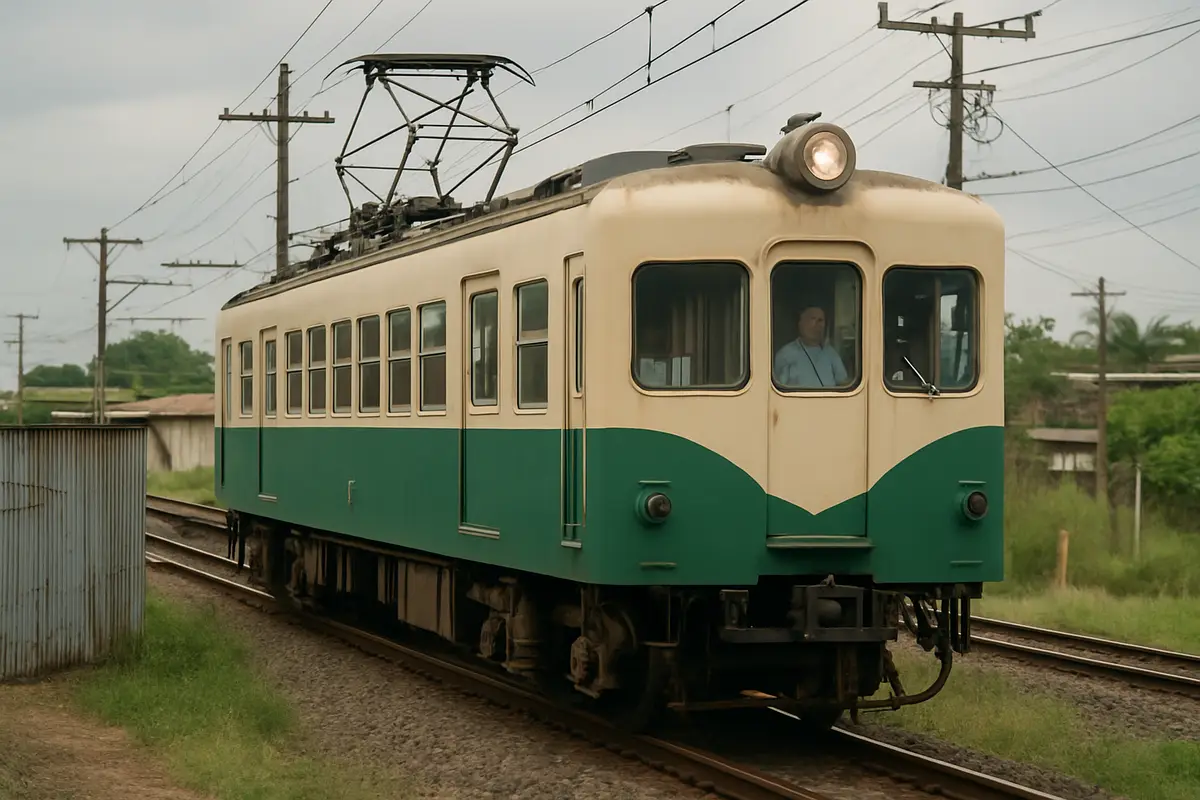
日本の古い電車が外国で走る

Old Japanese trains run in foreign countries

2

日本で長い間使われた電車が、外国に送られて、また走ることがあります。

Trains that were used in Japan for a long time are sometimes sent abroad, where they run again.

3

鉄道会社は、電車が古くなると新しいものに換えます。

When their trains get old, railway companies replace them with new ones.

4

まだ動く電車は、アジアや南アメリカの国に売られたり、あげられたりします。

Trains that still run are sold or given away to countries in Asia and South America.

5

送る前に、会社の人は電車を直します。

Before shipping them, the company's staff repair the trains.

6

外国の線路の幅に合わせて、車輪を変えることもあります。

Sometimes they even change the wheels to match the track gauge of the foreign country.

7

行き先の国の言葉で書いた案内も付けます。

They also put up signs written in the language of the destination country.

8

着いた後で、現地の運転士が日本に来て、運転の仕方を習う場合もあります。

In some cases, after the trains arrive, local drivers come to Japan to learn how to operate them.

9

受け取った国では、日本の電車は安くて丈夫だと言われています。

In the countries that receive them, Japanese trains are said to be cheap and sturdy.

10

日本語の文字がそのまま残っている電車もあります。

There are also trains on which the Japanese writing has been left just as it was.

11

それを見て、めずらしいと言う人もいます。

Some people see it and say that it is unusual.

日本にほんふる電車でんしゃ外国がいこくはし1

2026年09月13日 19:08

著者: jpreader

日本の古い電車が外国で走る

この画像はAIで生成され、学習目的で使用されています。

This image is AI-generated and used for educational purposes.

日本にほんながあいだ使つかわれた電車でんしゃが、外国がいこくおくられまたはしことがあります2鉄道会社てつどうがいしゃは、電車でんしゃふるくなるとあたらしいものえます3まだうご電車でんしゃは、アジアみなみアメリカくにられたり、あげられたりします4

おくまえ会社かいしゃひと電車でんしゃなおします5外国がいこく線路せんろはばわせて車輪しゃりんえることもあります6さきくに言葉ことばいた案内あんないけます7あと現地げんち運転士うんてんし日本にほん運転うんてん仕方しかたなら場合ばあいもあります8

ったくにでは、日本にほん電車でんしゃやすくて丈夫じょうぶだとわれています9日本語にほんご文字もじそのままのこている電車でんしゃもあります10。それをめずらしいひともいます11

Discussion

00

to rate or comment.

No comments yet.