日本の海の温度が上がっています2。そのため、取れる魚の種類が変わってきました3。北の海では、昔はあまり見られなかった魚が取れるようになっています4。反対に、さんまやいかは少なくなりました5。
漁師たちは困っています6。長い間、同じ魚を取ってきたので、新しい魚の取り方がよく分かりません7。売る方法も考えなければなりません8。
ある県では、新しく取れるようになった魚を使った料理を作って、店で出し始めました9。県の人は「地元の人にも観光客にも食べてもらいたい」と話しています10。
(にほん)
Japan
(うみ)
sea, ocean
(おんど)
temperature
(あがる)
to rise / to go up
(そのため)
therefore; for that reason
(とる)
to take
(さかな)
fish
(しゅるい)
kind; type
(かわる)
to change
(きた)
north
(むかし)
long ago, past
(あまり)
not very / not much (with negative)
(みる)
to see, watch
(はんたい)
opposition; against
(さんま)
Pacific saury (a fish)
(いか)
squid; cuttlefish
(すくない)
few, scarce
(りょうし)
fisherman
(こまる)
to be troubled; to be in difficulty
(ながい)
long
(あいだ)
interval, during
(おなじ)
same
(あたらしい)
new
(よく)
often, well, frequently
(わかる)
to understand, be clear
(うる)
to sell
(ほうほう)
method; way
(かんがえる)
to think; to consider
(ある)
a certain (some)
(けん)
prefecture
(つかう)
to use
(りょうり)
cuisine, cooking
(つくる)
to make
(みせ)
shop, store
(だす)
to serve, put out
(ひと)
person / people
(じもと)
local / one's hometown
(かんこうきゃく)
tourist; sightseer
(たべる)
to eat
(はなす)
to speak, talk
is doing, has been doing (ongoing state/action)
Expresses a continuing action or resulting state. Formed with て-form + いる/います. Can describe an action in progress or a state that continues from a past change.
今、本を読んでいます。
I am reading a book now.
窓が開いています。
The window is open.
日本に住んでいます。
I live in Japan.
come toward (action approaching)
Indicates motion toward the speaker or a location. Here it describes rocks flying toward people.
鳥が飛んできた。
A bird flew toward (us).
雨が降ってきた。
It started raining.
passive / potential form
The ~られる form is used here for what could be seen. 見られなかった魚 means fish that were hardly ever seen (could not be seen) in the past.
昔はあまり見られなかった魚です。
It is a fish that was rarely seen in the past.
この店では珍しい魚が食べられる。
You can eat rare fish at this restaurant.
come to / reach the point where
Indicates a change in state or ability.
運転できるようになった。
Trains became able to run.
日本語が話せるようになりました。
I became able to speak Japanese.
to become (い-adjective)
Expresses a change of state for い-adjectives. Drop the final い and add くなる. Indicates something has changed or will change to a new state.
寒くなりました。
It has gotten cold.
日本語が上手になりました。
My Japanese has gotten better.
値段が高くなりました。
The price became expensive.
plural suffix (for people)
Pluralizing suffix attached to nouns referring to people.
子どもたち
children
私たち
we
because ~ / since ~
Causal connector. Because JA is buying at higher prices, store prices will also rise.
雨が降ったので、家にいた。
Since it rained, I stayed home.
忙しいので、行けません。
Since I'm busy, I can't go.
way of doing
Verb stem + 方 expresses the way or manner of doing something. 歩き方 means 'way of walking', one of the things buyers inspected.
この漢字の読み方を教えてください。
Please tell me how to read this kanji.
彼の話し方はやさしいです。
His way of speaking is gentle.
must ~; have to ~
Expresses obligation using double negative construction.
宿題をしなければなりません。
I must do my homework.
明日までに返さなければなりません。
I must return it by tomorrow.
start doing ~
Compound verb form expressing the start of an action; sending scallops has started.
ホタテを送り始めました。
They have started sending scallops.
雨が降り始めた。
The rain started falling.
also to/by ~
Combines に (direction/target) with も (also).
子どもにも人気だ。
It's popular with children too.
私にもください。
Please give me some too.
have someone do (for me)
Expresses receiving a favor/action from someone.
助けてもらって本当にありがとうございます。
Thank you so much for helping us.
教えてもらいました。
I had them teach me.
海の温度が上がり、取れる魚が変わる
Sea Temperatures Rise and the Fish Being Caught Change
日本の海の温度が上がっています。
The temperature of the sea around Japan is rising.
そのため、取れる魚の種類が変わってきました。
Because of this, the kinds of fish that are caught have been changing.
北の海では、昔はあまり見られなかった魚が取れるようになっています。
In the northern seas, fish that were rarely seen in the past are now being caught.
反対に、さんまやいかは少なくなりました。
Conversely, Pacific saury and squid have become fewer.
漁師たちは困っています。
The fishermen are in trouble.
長い間、同じ魚を取ってきたので、新しい魚の取り方がよく分かりません。
Because they have caught the same fish for a long time, they do not really know how to catch the new fish.
売る方法も考えなければなりません。
They also have to work out how to sell them.
ある県では、新しく取れるようになった魚を使った料理を作って、店で出し始めました。
In one prefecture, they created dishes using the newly caught fish and began serving them at restaurants.
県の人は「地元の人にも観光客にも食べてもらいたい」と話しています。
An official of the prefecture says, "We want both local people and tourists to eat it."
2026年09月15日 19:16
著者: jpreader
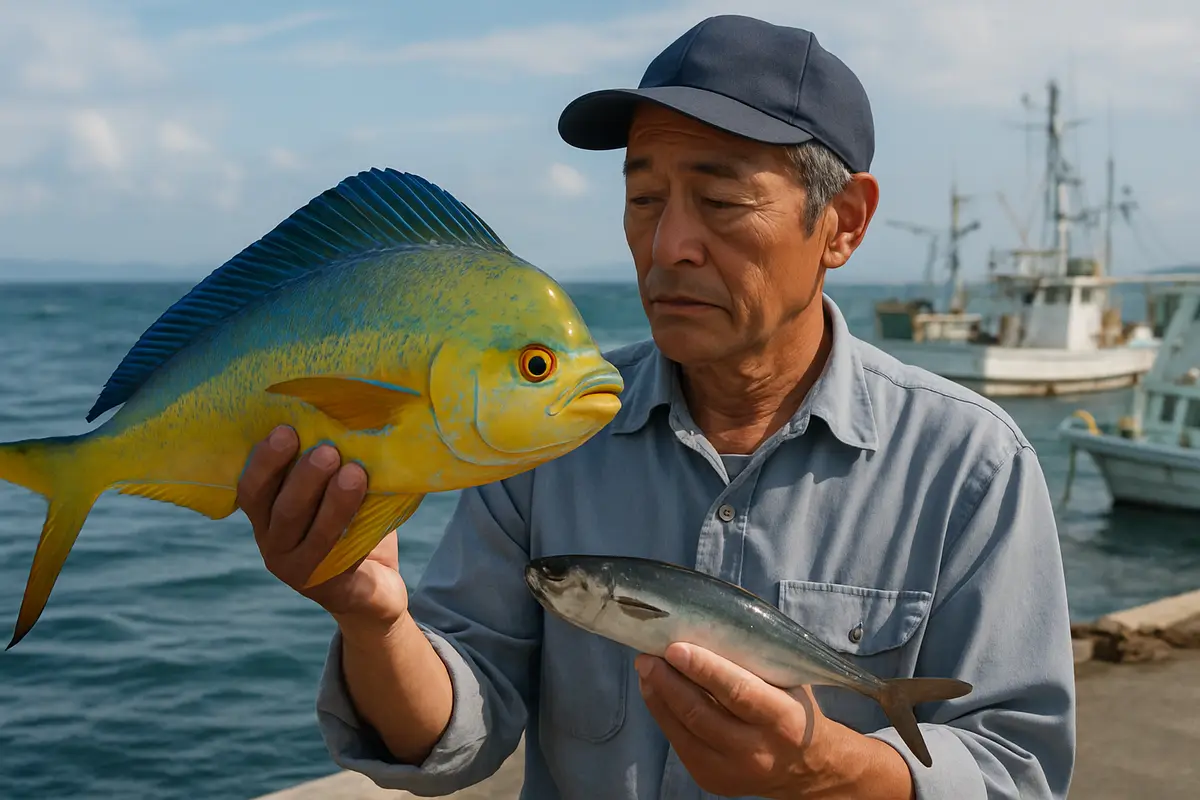
この画像はAIで生成され、学習目的で使用されています。
This image is AI-generated and used for educational purposes.
日本の海の温度が上がっています2。そのため、取れる魚の種類が変わってきました3。北の海では、昔はあまり見られなかった魚が取れるようになっています4。反対に、さんまやいかは少なくなりました5。
漁師たちは困っています6。長い間、同じ魚を取ってきたので、新しい魚の取り方がよく分かりません7。売る方法も考えなければなりません8。
ある県では、新しく取れるようになった魚を使った料理を作って、店で出し始めました9。県の人は「地元の人にも観光客にも食べてもらいたい」と話しています10。
Discussion
to rate or comment.
No comments yet.