運転免許うんてんめんきょ
N2

(うんてんめんきょ)

driver's license

返すかえす
N4

(かえす)

to return (something); to give back

高齢者こうれいしゃ
N1

(こうれいしゃ)

elderly person

増えるふえる
N3

(ふえる)

to increase; to grow

くるま
N5

(くるま)

car

自分じぶん
N4

(じぶん)

oneself

警察庁けいさつちょう
N1

(けいさつちょう)

National Police Agency

去年きょねん
N5

(きょねん)

last year

年間ねんかん
N3

(ねんかん)

period of ~ years

免許めんきょ
N3

(めんきょ)

license

ひと
N5

(ひと)

person / people

全国ぜんこく
N3

(ぜんこく)

nationwide; the whole country

やく
N3

(やく)

approximately, about

万人まんにん
N5

(まんにん)

ten thousand people (counter)

年前ねんまえ
N5

(ねんまえ)

years ago

比べるくらべる
N3

(くらべる)

to compare

ばい
N3

(ばい)

times; double

以上いじょう
N3

(いじょう)

more than; beyond this

理由りゆう
N3

(りゆう)

reason; cause

運転うんてん
N4

(うんてん)

operation, driving

自信じしん
N3

(じしん)

confidence

家族かぞく
N5

(かぞく)

family

勧めるすすめる
N2

(すすめる)

to recommend, to advise

こえ
N4

(こえ)

voice

多いおおい
N5

(おおい)

many

事故じこ
N3

(じこ)

accident; incident

ニュースにゅーす
N5

(にゅーす)

news

大きいおおきい
N5

(おおきい)

big; large

伝えるつたえる
N4

(つたえる)

to convey / to tell

影響えいきょう
N3

(えいきょう)

Influence; impact; effect

言ういう
N5

(いう)

to say

一方いっぽう
N3

(いっぽう)

on the other hand / meanwhile

生活せいかつ
N4

(せいかつ)

daily life; livelihood

地方ちほう
N3

(ちほう)

region; area

問題もんだい
N5

(もんだい)

problem

バスばす
N5

(ばす)

bus

電車でんしゃ
N5

(でんしゃ)

electric train

少ないすくない
N5

(すくない)

few, scarce

地域ちいき
N3

(ちいき)

region; area

買い物かいもの
N5

(かいもの)

shopping

病院びょういん
N5

(びょういん)

hospital

行くいく
N5

(いく)

to go

大変たいへん
N5

(たいへん)

tough, serious

タクシーたくしー
N5

(たくしー)

taxi

安いやすい
N5

(やすい)

cheap / inexpensive

利用りよう
N3

(りよう)

use; utilization

N4

(し)

city

まち
N5

(まち)

town

~ている
N5

is doing, has been doing (ongoing state/action)

Expresses a continuing action or resulting state. Formed with て-form + いる. Can describe an action in progress or a state resulting from a past change.

今、ご飯を食べています。

I am eating rice now.

東京に住んでいます。

I live in Tokyo.

ドアが開いています。

The door is open.

~によると
N3

according to ...

Cites a source of information. The noun before によると is the source. Often followed by a reported statement.

天気予報によると、明日は雨です。

According to the weather forecast, it will rain tomorrow.

ニュースによると、地震がありました。

According to the news, there was an earthquake.

先生によると、テストは来週です。

According to the teacher, the test is next week.

~と (条件)
N4

when / if ~

Conditional form expressing natural consequences. If you keep using while charging, it gets hot. If you keep using a swollen battery, fire can occur.

使い続けると熱くなる。

If you keep using it, it gets hot.

ボタンを押すと、ドアが開く。

If you press the button, the door opens.

~になる
N5

to become

Expresses a change of state; Kawai became the new commissioner of the Sports Agency.

新しい長官になりました。

He became the new commissioner.

目が見えなくなりました。

He became unable to see.

~くなる
N4

to become (い-adjective)

Expresses a change of state for い-adjectives. Drop the final い and add くなる. Indicates something has changed or will change to a new state.

寒くなりました。

It has gotten cold.

日本語が上手になりました。

My Japanese has gotten better.

値段が高くなりました。

The price became expensive.

~られる (受身)
N4

passive form

Passive voice. Here the rocket is designed (設計されています) and can be launched (打ち上げられる) at lower cost.

この本は多くの人に読まれています。

This book is read by many people.

新しい橋が作られた。

A new bridge was built.

~こと
N5

nominalizer (the act of ~)

Turns a verb phrase into a noun. Here 話を聞くこと (the act of listening to a speech).

日本に行くことが好きだ。

I like going to Japan.

勉強することは大切だ。

Studying is important.

~にくい
N3

hard to ~; difficult to ~

Attached to a verb stem to describe difficulty — 'people who have difficulty hearing'.

読みにくい

hard to read

食べにくい

hard to eat

~できる
N4

can do / be able to (potential)

In 運転できない it expresses the potential of being able (or not able) to drive a car.

車を運転できない人。

People who cannot drive a car.

日本語ができる。

I can do (speak) Japanese.

~のが
N4

the one who / the thing that ~ (nominalizing の)

の stands in for an unnamed person or thing. 引き継ぐのが、大岩剛さんです means 'the one who takes over is Go Oiwa'.

来るのが友だちです。

The one coming is my friend.

私が作ったのがこれです。

This is the one I made.

そのため
N3

therefore; for that reason

Connects cause and result — because of more investors and profits, more people buy stocks.

そのため、株を買う人が増えた

Therefore, more people bought stocks.

雨だ。そのため、試合は中止だ

It's raining. For that reason, the match is cancelled.

~ようにする
N4

to make sure that, to ensure that

Expresses the goal of bringing about a certain state or preventing something. Formed with verb plain form + ようにする. Often used to describe efforts to ensure or prevent something.

毎日野菜を食べるようにしています。

I make sure to eat vegetables every day.

遅刻しないようにしてください。

Please make sure not to be late.

忘れないようにメモを書きました。

I wrote a note so I wouldn't forget.

1

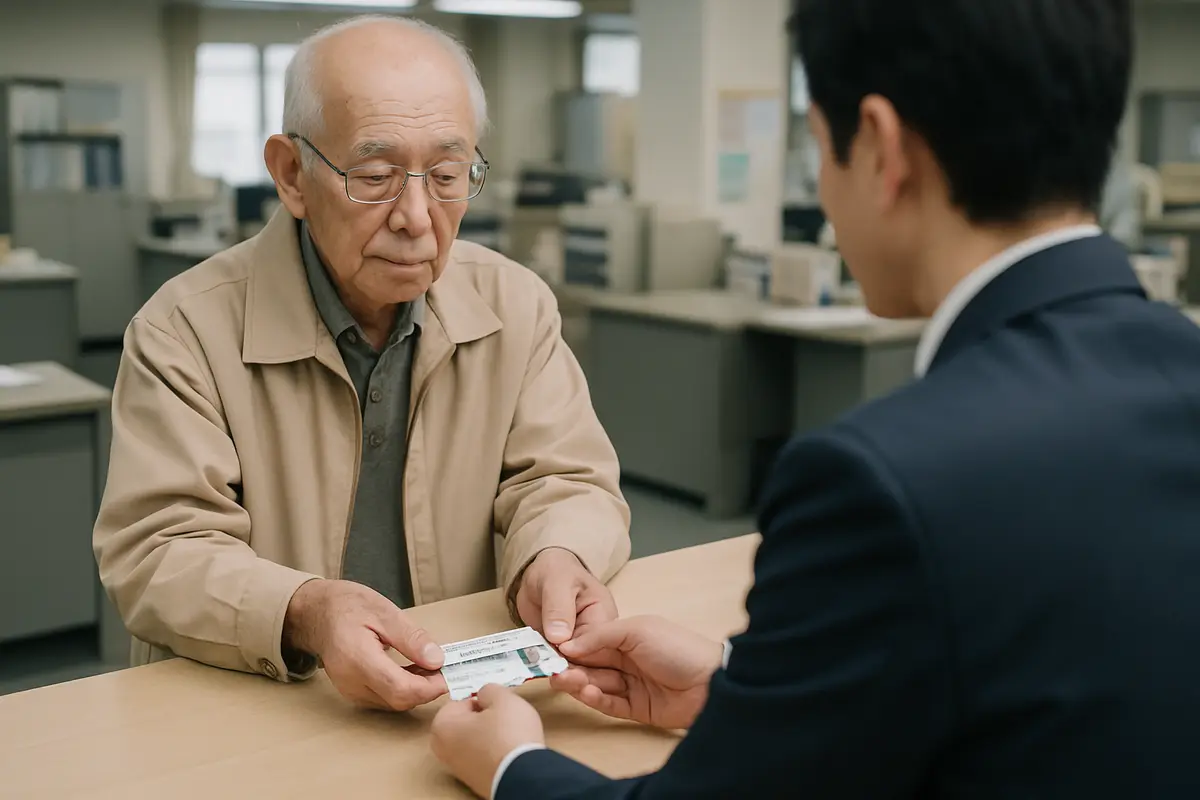
運転免許を返す高齢者が増える

More elderly people are giving up their driver licenses

2

車の運転免許を自分から返す高齢者が増えています。

The number of elderly people who voluntarily give up their car driver licenses is increasing.

3

警察庁によると、去年1年間で免許を返した人は全国で約40万人でした。

According to the National Police Agency, about 400,000 people nationwide returned their licenses during the past year.

4

10年前と比べると、3倍以上になっています。

Compared with 10 years ago, that is more than three times as many.

5

返す理由は、「運転に自信がなくなった」「家族に勧められた」という声が多いです。

As reasons for handing them in, many people say "I lost confidence in my driving" or "My family urged me to."

6

高齢者の事故がニュースで大きく伝えられることも、影響していると言われています。

It is said that the heavy news coverage of accidents involving elderly drivers is also having an effect.

7

一方、車がないと生活できない地方では、免許を返しにくいという問題もあります。

On the other hand, in rural areas where people cannot get by without a car, there is also the problem that giving up a license is hard to do.

8

バスや電車が少ない地域では、買い物や病院に行くのが大変になります。

In areas with few buses and trains, going shopping or to the hospital becomes difficult.

9

そのため、免許を返した人がタクシーを安く利用できるようにする市や町が増えています。

For that reason, more cities and towns are arranging things so that people who have handed in their licenses can use taxis cheaply.

運転免許うんてんめんきょかえ高齢者こうれいしゃえる1

2026年09月17日 19:17

著者: jpreader

運転免許を返す高齢者が増える

この画像はAIで生成され、学習目的で使用されています。

This image is AI-generated and used for educational purposes.

くるま運転免許うんてんめんきょ自分じぶんからかえ高齢者こうれいしゃています2警察庁けいさつちょうによると去年きょねん1年間ねんかん免許めんきょかえしたひと全国ぜんこくやく40万人まんにんでした3。10年前ねんまえくらると、3ばい以上いじょうになっています4

かえ理由りゆうは、「運転うんてん自信じしんがなくなった」「家族かぞくすすられた」というこえおおいです5高齢者こうれいしゃ事故じこニュースおおきくつたえられることも、影響えいきょうしているわれています6

一方いっぽうくるまないと生活せいかつできない地方ちほうでは、免許めんきょかえにくいという問題もんだいもあります7バス電車でんしゃすくない地域ちいきでは、もの病院びょういんのが大変たいへんになります8そのため免許めんきょかえしたひとタクシーやす利用りようできるようにするまちています9

Discussion

00

to rate or comment.

No comments yet.