学校の給食に、その町で作られた野菜を使う動きが広がっています2。農家から直接野菜を届けてもらうので、新しくて味がいいと言われています3。
ある小学校では、毎週金曜日に地元の野菜を使った料理を出しています4。子どもたちは、野菜を作った農家の人の話を聞くこともあります5。自分が住む町で何が取れるのか、知ることができます6。
この方法には、運ぶ距離が短くなるという利点もあります7。ただ、天気が悪い年は野菜が足りなくなることもあり、市は農家との協力を続けていく考えです8。
(きゅうしょく)
school lunch
(じもと)
local / one's hometown
(やさい)
vegetables
(つかう)
to use
(がっこう)
school
(ふえる)
to increase; to grow
(まち)
town
(つくる)
to make
(うごき)
movement; trend
(ひろがる)
to spread
(のうか)
farmer / farm household
(ちょくせつ)
directly
(とどける)
to deliver
(あたらしい)
new
(あじ)
taste, flavor
(いい)
good
(ある)
a certain (some)
(しょうがっこう)
elementary school
(まいしゅう)
every week
(きんようび)
Friday
(りょうり)
cuisine, cooking
(だす)
to serve, put out
(こども)
child
(ひと)
person / people
(はなし)
talk, story
(きく)
to listen, hear
(じぶん)
oneself
(すむ)
to live; to reside
(なに)
what
(とる)
to take
(しる)
to know, learn
(ほうほう)
method; way
(はこぶ)
to carry; to transport
(きょり)
distance
(みじかい)
short
(りてん)
advantage, merit
(ただ)
only, just, ordinary
(てんき)
weather
(わるい)
bad
(とし)
year
(たりる)
to be enough; to be sufficient
(し)
city
(きょうりょく)
cooperation
(つづける)
to continue
(かんがえ)
idea; thought; plan
passive voice: was/were ~ed
Passive form indicating that the subject receives the action. '食べられて' means 'were eaten'. Central grammar of this article about tulips being eaten by deer.
ケーキが弟に食べられた。
The cake was eaten by my little brother.
is doing, has been doing (ongoing state/action)
Expresses a continuing action or resulting state. Formed with て-form + いる. Can describe an action in progress or a state resulting from a past change.
今、ご飯を食べています。
I am eating rice now.
東京に住んでいます。
I live in Tokyo.
ドアが開いています。
The door is open.
have someone do (for me)
Expresses receiving a favor/action from someone.
助けてもらって本当にありがとうございます。
Thank you so much for helping us.
教えてもらいました。
I had them teach me.
~ and (i-adjective connector)
The て-form of i-adjectives, used to connect two adjectives or to give a reason. Formed by replacing い with くて.
この部屋は広くて明るいです。
This room is spacious and bright.
it is said that ~
Passive form expressing common knowledge or reputation. It is said that aquaculture of nodoguro is difficult.
難しいと言われています。
It is said to be difficult.
日本語は難しいと言われています。
It is said that Japanese is difficult.
there are cases/times when ~
Describes a possibility or occasional occurrence.
遅れることもある。
Sometimes I'm late.
雨が降ることもあります。
It sometimes rains.
potential form (can do)
The potential form shows the food 'can be eaten' (食べられる) — it is still edible.
刺身は生で食べられる。
Sashimi can be eaten raw.
ここから富士山が見られる。
You can see Mt. Fuji from here.
can do ..., to be able to ...
Verb dictionary form + ことができる expresses ability or possibility. More formal than the potential verb form. Common in written Japanese and announcements.
日本語を話すことができます。
I can speak Japanese.
ここで写真を撮ることができます。
You can take photos here.
インターネットで予約することができます。
You can make a reservation on the internet.
called/named ~
Used to introduce or name something. In this article, 「鳥貴族」という店 means 'a store called Torikizoku'.
田中という人を知っていますか。
Do you know a person called Tanaka?
これは寿司という料理です。
This is a dish called sushi.
to become no longer / to disappear
Indicates a change where something ceases to exist or can no longer be done. Here it describes that prayer gatherings can no longer be held in Hong Kong.
お金がなくなった。
The money is gone.
痛みがなくなりました。
The pain went away.
to go on doing / continue to (from now)
In '増えていく' – 'will continue to increase (into the future)'. Indicates continuing trend going forward.
これから寒くなっていく。
From now on, it will become colder.
日本語を勉強していきたい。
I want to continue studying Japanese.
給食に地元の野菜を使う学校が増える
More schools are using locally grown vegetables in school lunches
学校の給食に、その町で作られた野菜を使う動きが広がっています。
The movement to use vegetables grown in the local town for school lunches is spreading.
農家から直接野菜を届けてもらうので、新しくて味がいいと言われています。
Because the vegetables are delivered directly by the farmers, they are said to be fresh and tasty.
ある小学校では、毎週金曜日に地元の野菜を使った料理を出しています。
At one elementary school, a dish made with local vegetables is served every Friday.
子どもたちは、野菜を作った農家の人の話を聞くこともあります。
The children sometimes hear talks from the farmers who grew the vegetables.
自分が住む町で何が取れるのか、知ることができます。
They can learn what is grown in the town where they live.
この方法には、運ぶ距離が短くなるという利点もあります。
This approach also has the advantage that the transport distance becomes shorter.
ただ、天気が悪い年は野菜が足りなくなることもあり、市は農家との協力を続けていく考えです。
However, in years with bad weather the vegetables sometimes run short, so the city intends to keep cooperating with the farmers.
2026年09月18日 19:17
著者: jpreader
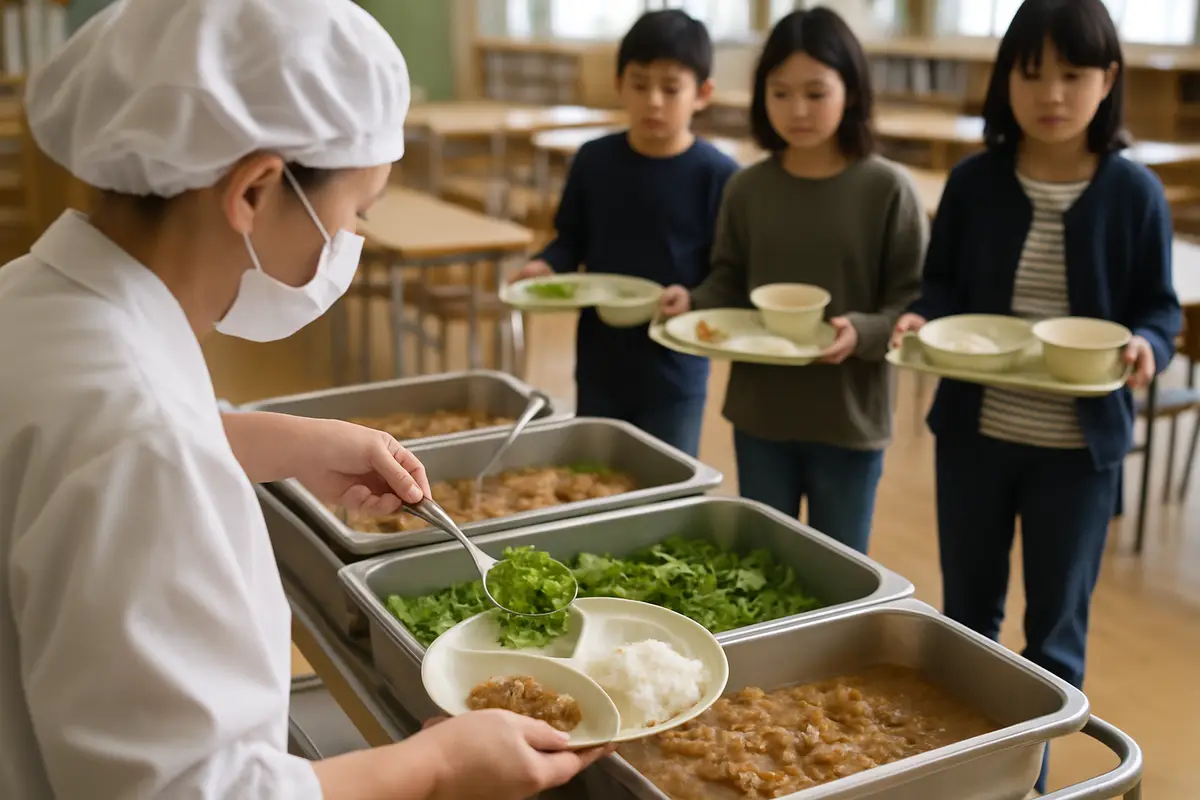
この画像はAIで生成され、学習目的で使用されています。
This image is AI-generated and used for educational purposes.
学校の給食に、その町で作られた野菜を使う動きが広がっています2。農家から直接野菜を届けてもらうので、新しくて味がいいと言われています3。
ある小学校では、毎週金曜日に地元の野菜を使った料理を出しています4。子どもたちは、野菜を作った農家の人の話を聞くこともあります5。自分が住む町で何が取れるのか、知ることができます6。
この方法には、運ぶ距離が短くなるという利点もあります7。ただ、天気が悪い年は野菜が足りなくなることもあり、市は農家との協力を続けていく考えです8。
Discussion
to rate or comment.
No comments yet.