Expresses a continuing action or resulting state. Formed with て-form + いる. Can describe an action in progress or a state resulting from a past change.
今、ご飯を食べています。
I am eating rice now.
東京に住んでいます。
I live in Tokyo.
ドアが開いています。
The door is open.
~てきた
N4
have been doing ~
Expresses continuation from past up to present.
ずっと勉強してきました。
I have been studying all along.
この会社で10年働いてきた。
I've worked at this company for 10 years.
~とされる
N2
is said to be / is considered to be
Used in news writing to report a widely held estimate without naming a source. Here it marks the figure for how much food waste comes from homes.
半分近くは家庭から出ているとされる。
Nearly half is said to come from households.
この方法が一番安全だとされる。
This method is considered the safest.
~られる
N4
potential / can (ru-verb)
The potential form expresses ability or possibility. Here, used in the negative, it describes elderly people who cannot quit driving.
運転をやめられない。
Cannot quit driving.
朝早く起きられない。
Cannot get up early.
~によって
N3
by means of / through
Expresses the means by which something is achieved — through sport, everyone can live together.
スポーツによって一緒に生きていけます。
Through sports we can live together.
インターネットによって情報が広がります。
Information spreads via the Internet.
~くなる
N4
to become (い-adjective)
Expresses a change of state for い-adjectives. Drop the final い and add くなる. Indicates something has changed or will change to a new state.
寒くなりました。
It has gotten cold.
日本語が上手になりました。
My Japanese has gotten better.
値段が高くなりました。
The price became expensive.
~ようにする
N4
to make sure that, to ensure that
Expresses the goal of bringing about a certain state or preventing something. Formed with verb plain form + ようにする. Often used to describe efforts to ensure or prevent something.
毎日野菜を食べるようにしています。
I make sure to eat vegetables every day.
遅刻しないようにしてください。
Please make sure not to be late.
忘れないようにメモを書きました。
I wrote a note so I wouldn't forget.
1
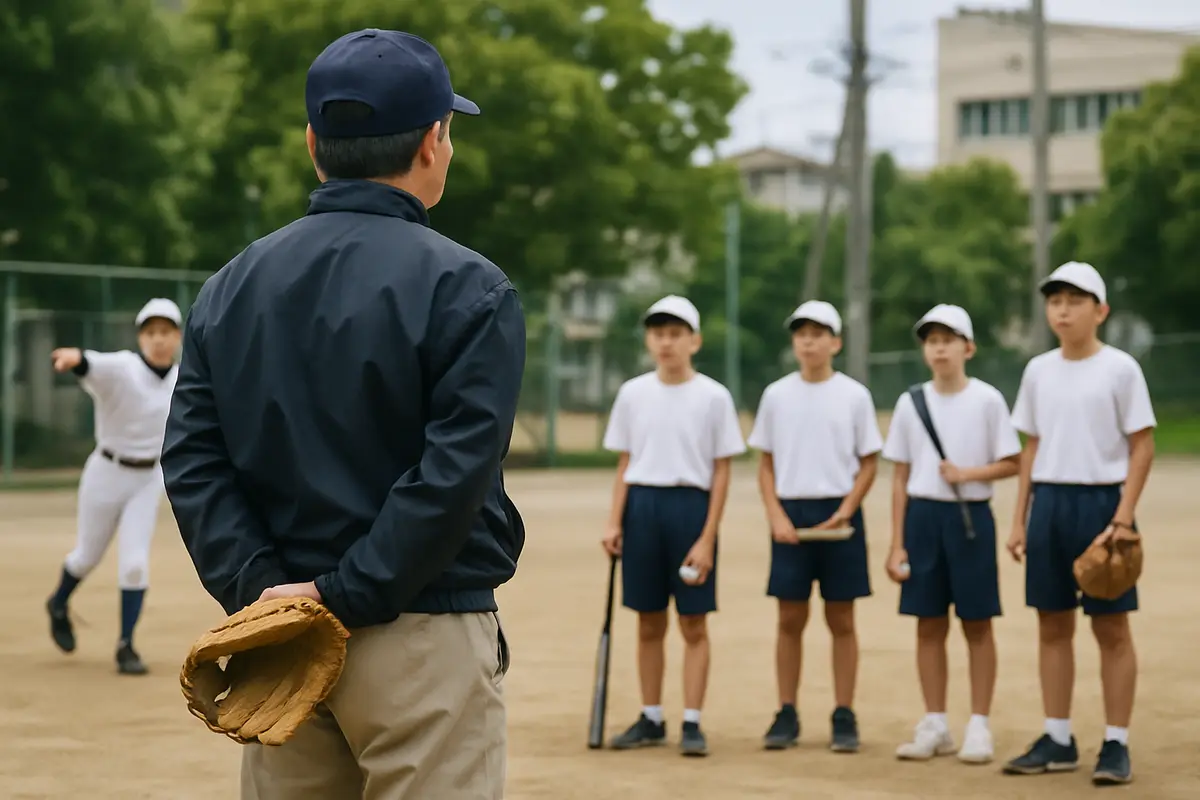
中学の部活動を地域に任せる動き
A move to hand junior high school club activities over to local communities
2
公立中学校の部活動を、学校から地域のクラブに移す取り組みが各地で進んでいる。
Efforts to move public junior high school club activities from schools to local clubs are advancing across the country.
3
これまで部活動の指導は、教員が授業の前後や休日に担ってきた。
Until now, teachers have shouldered club coaching before and after classes and on their days off.
4
長時間労働の原因の一つとされ、改善を求める声が強まっていた。
It was seen as one cause of their long working hours, and calls for improvement had been growing louder.
5
新しい仕組みでは、スポーツ団体や民間のクラブ、大学生などが指導役を務める。
Under the new system, sports organisations, private clubs, university students and others serve as coaches.
6
専門的な技術を教えられる点や、学校にない種目を選べる点が利点とされる。
Being able to teach specialised skills, and being able to choose sports the school does not offer, are considered advantages.
7
一部の自治体では、休日の活動から段階的に移している。
Some local governments are shifting the activities in stages, starting with weekends and holidays.
8
課題も残る。
Challenges remain, however.
9
指導者の確保が追いつかない地域があるほか、参加費の負担が家庭によって重くなる恐れもある。
In some areas the recruitment of coaches cannot keep up, and there is also a risk that participation fees become a heavy burden for some households.
10
国は費用を補助する制度を設け、地域差が広がらないようにしたい考えだ。
The government intends to set up a scheme to subsidise the costs so that regional disparities do not widen.
中学の部活動を地域に任せる動き1
2026年09月19日 19:20
著者: jpreader
この画像はAIで生成され、学習目的で使用されています。
This image is AI-generated and used for educational purposes.
Discussion
to rate or comment.
No comments yet.