国産こくさん
N2

(こくさん)

domestically produced

木材もくざい
N2

(もくざい)

timber, lumber

建物たてもの
N4

(たてもの)

building

使うつかう
N5

(つかう)

to use

動きうごき
N3

(うごき)

movement; trend

広がるひろがる
N3

(ひろがる)

to spread

日本にほん
N5

(にほん)

Japan

育つそだつ
N3

(そだつ)

to grow up / to be raised

N5

(き)

tree / wood

建てるたてる
N4

(たてる)

to build

これまでこれまで
N4

(これまで)

until now / so far

大きなおおきな
N5

(おおきな)

big (attrib.)

てつ
N3

(てつ)

iron

コンクリートこんくりーと
N2

(こんくりーと)

concrete

作るつくる
N5

(つくる)

to make

多いおおい
N5

(おおい)

many

技術ぎじゅつ
N3

(ぎじゅつ)

skill, technology

進むすすむ
N3

(すすむ)

to advance, to progress

高いたかい
N5

(たかい)

expensive; high

えき
N5

(えき)

station

学校がっこう
N5

(がっこう)

school

事務所じむしょ
N3

(じむしょ)

office

れい
N3

(れい)

example; case

増えるふえる
N3

(ふえる)

to increase; to grow

国土こくど
N1

(こくど)

national land, territory

森林しんりん
N2

(しんりん)

forest, woodland

占めるしめる
N2

(しめる)

to account for, to occupy

しかししかし
N4

(しかし)

however, but

手入れていれ
N2

(ていれ)

care, maintenance

放置ほうち
N1

(ほうち)

neglect, leaving something alone

やま
N5

(やま)

mountain

少ないすくない
N5

(すくない)

few, scarce

切るきる
N4

(きる)

to cut, to cut down

またまた
N5

(また)

again

植えるうえる
N3

(うえる)

to plant

流れながれ
N3

(ながれ)

flow, cycle

もり
N4

(もり)

forest

健康けんこう
N3

(けんこう)

health, healthy

保つたもつ
N2

(たもつ)

to keep, to preserve

つながるつながる
N3

(つながる)

to be connected, to link up

一方でいっぽうで
N2

(いっぽうで)

on the other hand

課題かだい
N2

(かだい)

issue, problem, challenge

残るのこる
N3

(のこる)

to remain / to stay behind

運ぶはこぶ
N3

(はこぶ)

to carry; to transport

ひと
N5

(ひと)

person / people

加工かこう
N2

(かこう)

processing, manufacturing

職人しょくにん
N2

(しょくにん)

craftsman / artisan

足りるたりる
N4

(たりる)

to be enough; to be sufficient

価格かかく
N2

(かかく)

price

安定あんてい
N2

(あんてい)

stability, stable

くに
N5

(くに)

country; the government

補助金ほじょきん
N1

(ほじょきん)

subsidy, grant

出すだす
N5

(だす)

to serve, put out

利用りよう
N3

(りよう)

use; utilization

後押しあとおし
N1

(あとおし)

backing, giving a push, support

~ている
N5

is doing, has been doing (ongoing state/action)

Expresses a continuing action or resulting state. Formed with て-form + いる. Can describe an action in progress or a state resulting from a past change.

今、ご飯を食べています。

I am eating rice now.

東京に住んでいます。

I live in Tokyo.

ドアが開いています。

The door is open.

~が(逆接)
N4

but / however (contrast)

Conjunctive particle used to connect two clauses with contrasting or unexpected information.

行きたいですが、時間がありません。

I want to go, but I don't have time.

~ようになる
N4

come to / reach the point where

Indicates a change in state or ability.

運転できるようになった。

Trains became able to run.

日本語が話せるようになりました。

I became able to speak Japanese.

~など
N5

such as / etc.

Used to give examples from a larger group.

りんごやバナナなどを買いました。

I bought apples, bananas, etc.

長野県や北海道など

Nagano, Hokkaido, etc.

~まま
N3

as is, remain in state

Indicates a state that remains unchanged.

電気をつけたまま寝た。

I slept with the light on.

わからないままです。

I still don't understand.

~される
N4

passive form of する-verbs

The passive of a する verb, used here to describe what happens to the appliances rather than who does it. 回収される割合 means the proportion that gets collected.

この商品は日本で製造される。

This product is manufactured in Japan.

会議は来週開催される。

The meeting will be held next week.

~という
N4

called/named ~

Used to introduce or name something. In this article, 「鳥貴族」という店 means 'a store called Torikizoku'.

田中という人を知っていますか。

Do you know a person called Tanaka?

これは寿司という料理です。

This is a dish called sushi.

~ず
N3

without ~ing

In 「分からず」 it means without understanding the meaning of signs, leading to accidents.

意味が分からず、事故になる。

Without understanding the meaning, an accident occurs.

何も言わず帰った。

Left without saying anything.

~にくい
N3

hard to ~; difficult to ~

Attached to a verb stem to describe difficulty — 'people who have difficulty hearing'.

読みにくい

hard to read

食べにくい

hard to eat

1

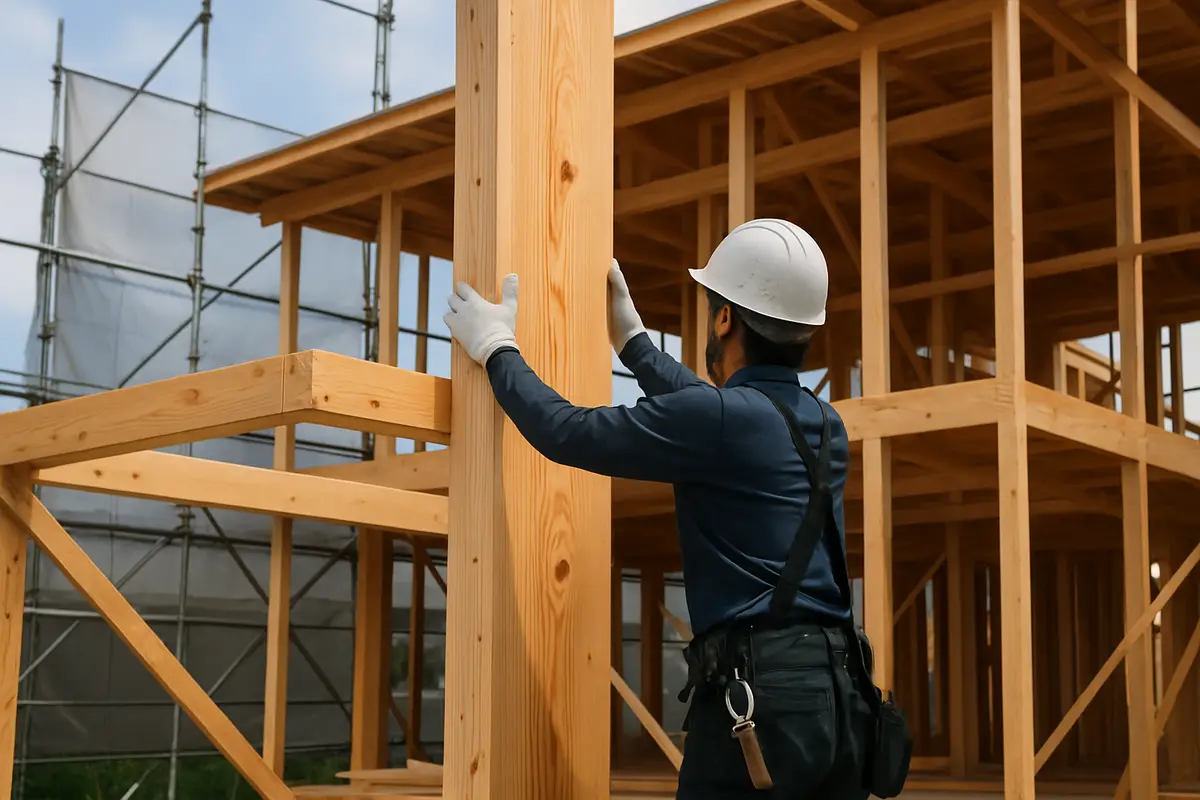
国産の木材を建物に使う動きが広がる

A growing movement to use domestic timber in buildings

2

日本で育った木を使って建物を建てる動きが広がっている。

A movement to put up buildings using wood grown in Japan is spreading.

3

これまで大きな建物は鉄やコンクリートで作ることが多かったが、技術が進み、木でも高い建物が建てられるようになった。

Until now large buildings were usually made of steel and concrete, but technology has advanced, and it has become possible to build tall buildings out of wood as well.

4

駅や学校、事務所などで木を使う例が増えている。

Examples of wood being used at stations, schools, offices and the like are increasing.

5

日本の国土の多くは森林が占めている。

Forests take up much of Japan's land.

6

しかし、手入れされないまま放置された山も少なくない。

However, quite a few mountains have been left neglected without any care.

7

木を切って使い、また植えるという流れを作ることが、森を健康に保つことにつながるという。

Creating a cycle of cutting and using trees and then planting them again is said to help keep forests healthy.

8

一方で、課題も残る。

On the other hand, challenges remain.

9

木を運ぶ人や加工する職人が足りず、価格も安定しにくい。

There are not enough people to haul the wood or craftspeople to process it, and prices are hard to keep stable.

10

国は、木材を使った建物に補助金を出すなどして、利用を後押ししている。

The government is encouraging the use of timber by doing things such as giving subsidies to buildings that use it.

国産こくさん木材もくざい建物たてもの使つかうごひろがる1

2026年09月21日 19:22

著者: jpreader

国産の木材を建物に使う動きが広がる

この画像はAIで生成され、学習目的で使用されています。

This image is AI-generated and used for educational purposes.

日本にほんそだった使つか建物たてものてるうごひろがっている2これまでおおきな建物たてものてつコンクリートつくることがおおかったが、技術ぎじゅつすすみ、でもたか建物たてものてられるようになった3えき学校がっこう事務所じむしょなど使つかれいている4

日本にほん国土こくどおおくは森林しんりんている5しかしれされないまま放置ほうちされたやますくなくない6って使つかい、またえるというながつくることが、もり健康けんこうたもつことにつながるという7

一方いっぽう課題かだいのこ8はこひと加工かこうする職人しょくにん価格かかく安定あんていにくい9くには、木材もくざい使つか建物たてもの補助金ほじょきんなどして、利用りようあとししている10

Discussion

00

to rate or comment.

No comments yet.