秋になり、山に登る人が増えています2。紅葉がきれいな季節なので、週末は多くの登山者が山を訪れます3。しかし、山での事故も増えています4。
消防によると、今年の秋の事故は去年より多いそうです5。道に迷ったり、けがをしたりする人が目立ちます6。軽い服装で山に入る人も少なくありません7。
秋の山は昼と夜の気温の差が大きいです8。専門家は「暖かい服と地図を必ず持っていってください」と話しています9。登る前に天気を調べることも大切だと言われています10。
(あき)
autumn; fall
(とざん)
mountain climbing
(じこ)
accident; incident
(ふえる)
to increase; to grow
(ちゅうい)
caution, warning
(よびかける)
to call out; to appeal
(やま)
mountain
(のぼる)
to climb
(ひと)
person / people
(こうよう)
autumn leaves, fall colors
(きれい)
pretty, clean
(きせつ)
Season
(しゅうまつ)
weekend
(おおい)
many
(とざんしゃ)
mountain climber, hiker
(おとずれる)
to visit
(しかし)
however, but
(しょうぼう)
fire department, firefighting
(ことし)
this year
(きょねん)
last year
(みち)
road, street, path
(まよう)
to get lost, hesitate
(めだつ)
to stand out, to be noticeable
(かるい)
light (weight)
(ふくそう)
clothing, attire
(はいる)
to enter, be contained in
(すくない)
few, scarce
(ひる)
noon / daytime
(よる)
night
(きおん)
temperature (air)
(さ)
difference, margin
(おおきい)
big; large
(せんもんか)
expert, specialist
(あたたかい)
warm
(ふく)
clothes
(ちず)
map
(かならず)
without fail, certainly
(もつ)
to have; to hold
(はなす)
to speak, talk
(まえ)
before, previous
(てんき)
weather
(しらべる)
to investigate; to survey
(たいせつ)
important
(いう)
to say
to become
Expresses a change of state; Kawai became the new commissioner of the Sports Agency.
新しい長官になりました。
He became the new commissioner.
目が見えなくなりました。
He became unable to see.
is doing, has been doing (ongoing state/action)
Expresses a continuing action or resulting state. Formed with て-form + いる/います. Can describe an action in progress or a state that continues from a past change.
今、本を読んでいます。
I am reading a book now.
窓が開いています。
The window is open.
日本に住んでいます。
I live in Japan.
because ~ / since ~
Causal connector. Because JA is buying at higher prices, store prices will also rise.
雨が降ったので、家にいた。
Since it rained, I stayed home.
忙しいので、行けません。
Since I'm busy, I can't go.
according to ...
Cites a source of information. The noun before によると is the source. Often followed by a reported statement.
天気予報によると、明日は雨です。
According to the weather forecast, it will rain tomorrow.
ニュースによると、地震がありました。
According to the news, there was an earthquake.
先生によると、テストは来週です。
According to the teacher, the test is next week.
than / more than
Indicates comparison. Used to say prices rose on average 2.8% compared to last year.
去年より寒い。
Colder than last year.
彼より背が高い。
Taller than him.
I hear that ~, they say that ~
Attached to a plain form to report information heard from another source. The article uses it because the increase in collected oil is reported second-hand rather than observed directly.
来月から値段が上がるそうです。
I hear prices will go up from next month.
去年より客が増えたそうです。
They say there were more customers than last year.
doing things like ~ and ~
Lists representative actions among several. Implies there are other actions too. Used twice in this article.
週末は本を読んだり映画を見たりします。
On weekends I do things like read books and watch movies.
歌ったり踊ったりして楽しんだ。
We had fun singing and dancing.
polite negative of i-adjectives
An i-adjective drops い and takes くありません for the polite negative. 少なくありません literally says "are not few" — a understated way of saying there are quite a lot of them.
軽い服装で山に入る人も少なくありません。
There are quite a few people who enter the mountains in light clothing.
この店は高くありません。
This shop is not expensive.
please do ...
Polite request form. Formed with て-form + ください. Used to ask someone to perform an action.
ここに名前を書いてください。
Please write your name here.
もう一度言ってください。
Please say it once more.
窓を開けてください。
Please open the window.
nominalizer (the act of ~)
Turns a verb phrase into a noun. Here 話を聞くこと (the act of listening to a speech).
日本に行くことが好きだ。
I like going to Japan.
勉強することは大切だ。
Studying is important.
秋の登山で事故が増え注意を呼びかけ
Accidents rise on autumn hikes, and people are urged to take care
秋になり、山に登る人が増えています。
Now that autumn has arrived, more people are climbing mountains.
紅葉がきれいな季節なので、週末は多くの登山者が山を訪れます。
Because it is the season when the autumn leaves are beautiful, many hikers visit the mountains on weekends.
しかし、山での事故も増えています。
However, accidents in the mountains are increasing as well.
消防によると、今年の秋の事故は去年より多いそうです。
According to the fire department, there are said to be more accidents this autumn than last year.
道に迷ったり、けがをしたりする人が目立ちます。
People who lose their way or get injured stand out.
軽い服装で山に入る人も少なくありません。
Quite a few people head into the mountains in light clothing.
秋の山は昼と夜の気温の差が大きいです。
In the mountains in autumn, the difference in temperature between day and night is large.
専門家は「暖かい服と地図を必ず持っていってください」と話しています。
Experts say, "Please be sure to take warm clothes and a map with you."
登る前に天気を調べることも大切だと言われています。
Checking the weather before you climb is also said to be important.
2026年09月22日 19:20
著者: jpreader
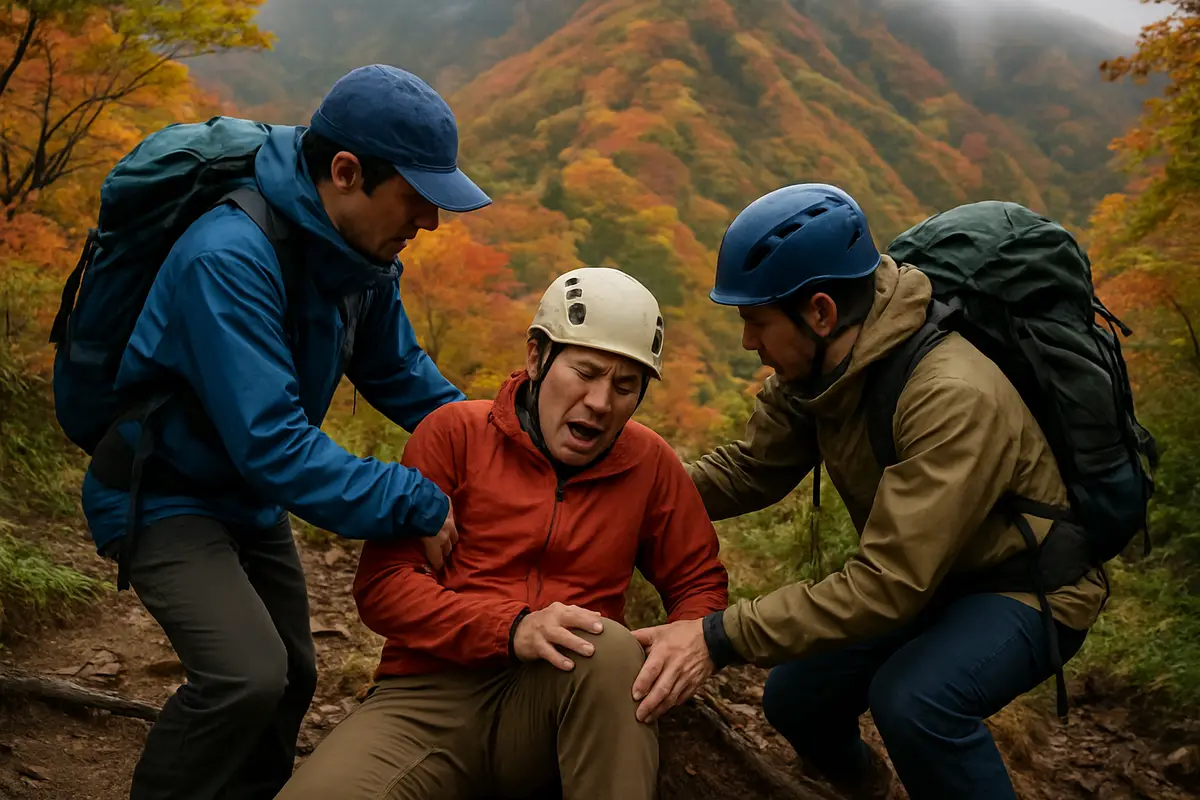
この画像はAIで生成され、学習目的で使用されています。
This image is AI-generated and used for educational purposes.
秋になり、山に登る人が増えています2。紅葉がきれいな季節なので、週末は多くの登山者が山を訪れます3。しかし、山での事故も増えています4。
消防によると、今年の秋の事故は去年より多いそうです5。道に迷ったり、けがをしたりする人が目立ちます6。軽い服装で山に入る人も少なくありません7。
秋の山は昼と夜の気温の差が大きいです8。専門家は「暖かい服と地図を必ず持っていってください」と話しています9。登る前に天気を調べることも大切だと言われています10。
Discussion
to rate or comment.
No comments yet.